
Consumer neurotechnology is transforming how we understand and enhance our cognitive abilities, merging cutting-edge science with everyday wellness in unprecedented ways.

🧠 The Dawn of Brain-Boosting Consumer Technology
The landscape of personal health and wellness has evolved dramatically over the past decade, but perhaps no frontier is as exciting—or as controversial—as consumer neurotechnology. These brain-boosting devices promise to enhance memory, improve focus, reduce stress, and even optimize sleep, all from the comfort of your home. What was once confined to research laboratories and clinical settings is now available on e-commerce platforms, making neurotechnology accessible to millions of curious consumers worldwide.
The global market for consumer neurotechnology devices has experienced exponential growth, with projections suggesting it will reach several billion dollars within the next few years. This surge isn’t merely hype; it’s driven by converging factors including advances in neuroscience research, miniaturization of sensor technology, artificial intelligence integration, and a cultural shift toward proactive brain health management.
From wearable headbands that claim to improve meditation quality to transcranial direct current stimulation (tDCS) devices promising enhanced learning capabilities, the variety of products entering the marketplace reflects both innovation and growing consumer demand. But what exactly are these devices, how do they work, and more importantly, do they deliver on their promises?
Understanding the Science Behind Neurotech Devices
Consumer neurotechnology encompasses a broad spectrum of devices that interact with the brain’s electrical activity. At the most basic level, these devices either monitor neural signals (input) or stimulate brain activity (output), though increasingly sophisticated products do both.
EEG-Based Monitoring Systems
Electroencephalography (EEG) technology forms the backbone of many consumer neurotech devices. These systems use sensors to detect electrical patterns produced by brain activity. Traditional medical-grade EEG equipment requires dozens of electrodes and clinical expertise to operate, but consumer versions have simplified this dramatically, often using just a few sensors positioned on the forehead or behind the ears.
Modern EEG headsets can track different brainwave frequencies—delta, theta, alpha, beta, and gamma—each associated with specific mental states. Alpha waves, for instance, are linked to relaxed alertness, while beta waves correlate with active concentration. By monitoring these patterns in real-time, devices can provide feedback to help users optimize their mental state for specific activities.
Neurostimulation Technologies
On the output side, neurostimulation devices use weak electrical currents, magnetic fields, or even light and sound patterns to influence brain activity. Transcranial direct current stimulation (tDCS) applies low-intensity electrical current through electrodes placed on the scalp, potentially enhancing neuroplasticity—the brain’s ability to form new neural connections.
Other approaches include transcranial alternating current stimulation (tACS), which uses oscillating currents at specific frequencies to entrain brainwaves, and photobiomodulation, which employs near-infrared light to potentially boost cellular energy production in brain tissue.
💡 Popular Categories of Brain-Boosting Devices
The consumer neurotech market has diversified into several distinct product categories, each targeting specific cognitive enhancement goals and user preferences.
Meditation and Mindfulness Enhancers
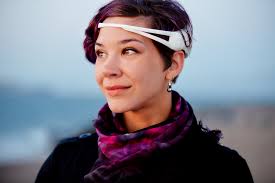
Devices like Muse and Flowtime have carved out a significant niche in the meditation space. These headbands monitor brainwave activity during meditation sessions and provide real-time audio feedback—gentle nature sounds that respond to your mental state. When your mind wanders, the sounds intensify; when you achieve focused calm, they soften.
This biofeedback approach helps users develop better meditation skills more quickly than traditional practice alone. Many of these devices connect to smartphone applications that track progress over time, gamifying the meditation experience with achievements and personalized insights.
Sleep Optimization Systems
Quality sleep has become a major focus area for consumer neurotechnology. Devices like Dreem and NeoRhythm use EEG monitoring to track sleep stages with clinical-grade accuracy, but go further by attempting to enhance sleep quality through targeted neurostimulation.
These systems detect when users enter deep sleep phases and may deliver gentle audio tones or electromagnetic stimulation designed to strengthen these restorative sleep periods. The result, manufacturers claim, is more efficient sleep that leaves users feeling more refreshed with potentially fewer total hours needed.
Focus and Productivity Boosters
Perhaps the most ambitious category includes devices specifically designed to enhance cognitive performance during work or study. Products incorporating tDCS technology promise to accelerate learning, improve working memory, and extend attention span.
These devices typically target the prefrontal cortex, the brain region most associated with executive functions like planning, decision-making, and impulse control. Users wear them for prescribed sessions—often 20-30 minutes—while engaged in cognitive tasks, with the stimulation theoretically enhancing the effectiveness of mental training.
Stress Management Tools
Chronic stress has become a defining health challenge of modern life, and neurotechnology offers novel approaches to combat it. Devices like TouchPoints and Apollo Neuro use different mechanisms—gentle vibrations or specific waveforms—to activate the parasympathetic nervous system, promoting relaxation and emotional regulation.
Unlike meditation devices that require dedicated practice time, many stress management neurotech products work passively in the background, worn throughout the day to provide continuous nervous system support during challenging situations.
The Market Dynamics Driving Neurotech Adoption
Several interconnected factors explain why consumer neurotechnology has transitioned from science fiction to mainstream wellness trend so rapidly.
Technological Convergence 🔌
The smartphone revolution created the perfect ecosystem for consumer neurotech. Modern devices leverage Bluetooth connectivity, sophisticated mobile apps, cloud computing, and machine learning algorithms to deliver personalized experiences that would have been impossible a decade ago. The computational power to process complex neural data now fits in your pocket, dramatically reducing device costs and improving usability.
Cultural Shifts Toward Optimization
Contemporary culture increasingly embraces the concept of human optimization—the idea that we can and should continuously improve our physical and mental capabilities. This mindset, amplified by biohacking communities and productivity culture, has created a receptive audience for brain-boosting technologies.
Consumers who already track their steps, heart rate, and sleep patterns see neurotechnology as a logical next step in self-quantification and enhancement. The desire to gain competitive advantage in demanding work environments further motivates adoption among professionals and students.
Mental Health Awareness
Growing societal recognition of mental health challenges has reduced stigma and increased willingness to explore novel intervention methods. When traditional approaches like therapy or medication aren’t accessible or preferred, some consumers view neurotechnology as an alternative or complementary option for managing anxiety, attention difficulties, or mood issues.
Investment and Innovation
Venture capital has flooded into the neurotechnology sector, enabling rapid product development and market expansion. Well-funded startups can afford clinical research, regulatory navigation, and marketing campaigns that build consumer confidence. This investment also attracts top talent from neuroscience, engineering, and design disciplines, accelerating innovation cycles.
⚖️ Examining the Evidence: What Science Says
The critical question underlying all consumer neurotechnology claims is: does it actually work? The answer, like the brain itself, is complex and nuanced.
Promising Research Areas
Academic research has demonstrated that neurofeedback training—learning to control brain activity through real-time monitoring—can produce measurable cognitive improvements in some contexts. Studies have shown benefits for attention regulation, anxiety reduction, and peak performance enhancement when protocols are properly designed and administered.
Similarly, tDCS research in laboratory settings has revealed modest but statistically significant effects on learning speed, working memory, and certain cognitive functions. The neurobiological mechanisms underlying these effects involve modulation of neuronal excitability and enhancement of synaptic plasticity.
Meditation devices using EEG biofeedback have demonstrated effectiveness in accelerating meditation skill acquisition compared to traditional practice alone, with users showing improved ability to enter and maintain meditative states.
Limitations and Uncertainties
However, significant gaps exist between controlled research conditions and real-world consumer device usage. Most academic studies use medical-grade equipment, carefully selected participants, and rigorous protocols—conditions rarely replicated in home use.
Consumer devices often employ simplified sensor configurations that may not capture brain activity with the precision necessary for reliable biofeedback. The positioning of electrodes, signal quality, and environmental interference can all affect accuracy, potentially limiting effectiveness.
Furthermore, many commercial products make claims that extend beyond current scientific evidence. While some effects may be genuine, distinguishing between true neurological changes, placebo responses, and normal variability remains challenging without rigorous independent testing.
The Placebo Factor
The placebo effect—genuine physiological changes resulting from expectation rather than intervention—is particularly strong in cognitive enhancement contexts. Believing a device will improve your focus can itself enhance performance through increased motivation and altered behavior patterns. This doesn’t invalidate the user experience, but it complicates scientific evaluation of specific device mechanisms.
🚨 Navigating Safety and Regulatory Considerations
As consumer neurotechnology proliferates, questions about safety, regulation, and ethical use become increasingly important.
Current Regulatory Landscape
In many jurisdictions, consumer neurotech devices occupy a regulatory gray zone. Products marketed for wellness or general enhancement typically face less scrutiny than those claiming to treat medical conditions. In the United States, devices making therapeutic claims must navigate FDA approval processes, while “general wellness” products may reach market with minimal oversight.
This regulatory distinction creates incentives for manufacturers to carefully word their marketing claims, emphasizing enhancement over treatment. However, the line between these categories isn’t always clear, and regulatory frameworks continue evolving to address emerging technologies.
Safety Profile
Most consumer neurotechnology devices appear relatively safe when used as directed. EEG monitoring systems are entirely passive, carrying minimal risk beyond potential skin irritation from electrodes. Neurostimulation devices using low-intensity currents have shown good safety profiles in research contexts, with reported side effects typically limited to mild tingling sensations, temporary skin redness, or occasional headaches.
However, long-term effects of regular home neurostimulation remain understudied. Questions about optimal usage patterns, potential cumulative effects, and individual variability in response require ongoing research attention.
Privacy and Data Security 🔐
Perhaps the most underappreciated concern involves neural data privacy. Brain activity patterns contain remarkably personal information—potentially revealing cognitive states, emotional responses, attention patterns, and even neurological conditions. As devices collect this data and sync it to cloud platforms, questions arise about who owns this information, how it’s protected, and what secondary uses might emerge.
Current data protection regulations weren’t designed with neural data in mind, creating potential vulnerabilities. Consumers should carefully review privacy policies and understand what data their devices collect and share.
Making Informed Consumer Decisions
For those considering brain-boosting devices, approaching purchases with informed skepticism and clear expectations maximizes satisfaction and minimizes disappointment.
Evaluating Product Claims
Look for devices backed by peer-reviewed research published in reputable journals. Be wary of products citing only proprietary studies or testimonials. Understand that “clinically tested” doesn’t necessarily mean “clinically proven effective”—the quality and rigor of testing matters immensely.
Realistic claims focusing on specific, measurable outcomes are more trustworthy than vague promises of dramatic transformation. No device will turn you into a superhuman, but some may provide modest improvements within specific domains.
Considering Individual Factors
Response to neurotechnology varies considerably between individuals based on baseline brain function, genetics, lifestyle factors, and even skull thickness. What works remarkably well for one person may produce negligible effects for another. Approach new devices as experiments, tracking your subjective experience and objective performance metrics to evaluate personal effectiveness.
Integration with Comprehensive Approaches
Brain-boosting devices work best as components of holistic cognitive health strategies. No technology can compensate for chronic sleep deprivation, poor nutrition, sedentary lifestyle, or unmanaged stress. View neurotechnology as a potential enhancement to foundational health practices rather than a replacement for them.
🔮 The Future Trajectory of Consumer Neurotechnology
The neurotech market shows no signs of slowing, with several emerging trends likely to shape its evolution.
Artificial Intelligence Integration
Machine learning algorithms will increasingly personalize neurotechnology experiences, adapting stimulation protocols or feedback based on individual response patterns. AI can identify subtle patterns in neural data that humans might miss, potentially unlocking more effective intervention strategies customized to each user’s unique neurology.
Closed-Loop Systems
Next-generation devices will combine monitoring and stimulation in sophisticated closed-loop systems that continuously adjust interventions based on real-time brain state. Rather than applying predetermined stimulation protocols, these adaptive systems will respond dynamically to neural activity, potentially increasing effectiveness while reducing side effects.
Expanded Applications
As technology matures and evidence accumulates, applications will likely expand beyond current focus areas. Potential future uses include concussion recovery support, age-related cognitive decline management, enhanced creativity facilitation, and more targeted emotional regulation support.
Mainstream Acceptance
Consumer neurotechnology will probably follow the trajectory of other once-novel health technologies like fitness trackers and smartwatches, transitioning from niche enthusiast products to mainstream wellness tools. This normalization will bring both benefits—improved affordability and accessibility—and challenges—increased need for consumer education and regulatory clarity.
Embracing Brain Technology Responsibly
Consumer neurotechnology represents a fascinating intersection of neuroscience, technology, and personal development. These devices offer genuine potential to enhance cognitive wellness, accelerate skill acquisition, and provide insights into our mental functioning previously accessible only in research settings.
However, this potential comes with responsibilities for both manufacturers and consumers. Companies must prioritize rigorous testing, honest marketing, and user safety over hype and rapid commercialization. Consumers must approach these technologies with informed curiosity rather than uncritical acceptance, understanding both possibilities and limitations.
The brain remains science’s most complex frontier—a three-pound universe we’re only beginning to understand. Technologies that interact with neural function deserve respect, careful evaluation, and thoughtful application. Used wisely as components of comprehensive cognitive health strategies, brain-boosting devices may indeed help unlock human potential in meaningful ways.
As this market continues its explosive growth, staying informed about emerging research, regulatory developments, and best practices will help consumers navigate the expanding landscape of options. The future of consumer neurotechnology is bright, but like any powerful tool, its value ultimately depends on how intelligently we choose to use it. The devices themselves are merely instruments—the real enhancement comes from the informed, intentional humans who wield them in pursuit of better cognitive health and fuller human potential. 🧠✨
