
What you eat doesn’t just fuel your body—it fundamentally shapes your mind, mood, and emotional wellbeing through powerful neurochemical pathways.

The connection between diet and mental health has emerged as one of the most exciting frontiers in nutritional science. While we’ve long understood that food provides energy and building blocks for our physical body, researchers are now revealing how our dietary choices directly influence the production, release, and function of neurotransmitters—the chemical messengers that govern our emotions, motivation, and mental clarity.
This isn’t just about avoiding junk food or eating more vegetables. It’s about understanding that every meal you consume is literally changing your brain chemistry, influencing whether you feel anxious or calm, depressed or joyful, foggy or focused. The implications are profound: by strategically choosing foods that support optimal neurochemistry, you can take control of your emotional wellbeing in ways that complement or even reduce reliance on pharmaceutical interventions.
🧠 The Neurochemical Foundation of Emotional Health
Your brain operates through an intricate network of neurotransmitters, each playing distinct roles in regulating mood, cognition, and behavior. The four primary neurotransmitters that influence emotional wellbeing are serotonin, dopamine, GABA (gamma-aminobutyric acid), and norepinephrine. Understanding these chemical messengers is essential to grasping how nutrition impacts your mental state.
Serotonin, often called the “happiness molecule,” regulates mood stability, sleep quality, and anxiety levels. Remarkably, approximately 90% of your body’s serotonin is produced in the gastrointestinal tract, making the gut-brain connection impossible to ignore. When serotonin levels are optimal, you experience emotional balance, restful sleep, and resilience against stress.
Dopamine governs motivation, pleasure, and reward-seeking behavior. It’s what drives you to pursue goals, experience satisfaction from achievements, and maintain focus on tasks. Low dopamine is associated with lack of motivation, anhedonia (inability to feel pleasure), and attention difficulties.
GABA functions as your brain’s natural calming agent, counterbalancing excitatory neurotransmitters and preventing overstimulation. When GABA levels are adequate, you feel relaxed, centered, and able to manage stress effectively. Insufficient GABA contributes to anxiety, racing thoughts, and difficulty unwinding.
Norepinephrine influences alertness, attention, and stress response. Balanced levels help you feel energized and focused, while imbalances can lead to either lethargy or excessive anxiety and hypervigilance.
🍽️ The Nutritional Building Blocks of Neurotransmitters
Neurotransmitters aren’t created from nothing—they require specific nutritional precursors, cofactors, and enzymatic processes that depend entirely on what you consume. This is where the power of dietary intervention becomes tangible and actionable.
Amino Acids: The Essential Precursors
Amino acids derived from dietary protein serve as the fundamental building blocks for neurotransmitter synthesis. Tryptophan, an essential amino acid found in turkey, chicken, eggs, cheese, nuts, and seeds, is the precursor to serotonin. However, tryptophan faces competition from other amino acids when crossing the blood-brain barrier, which is why the context of your entire meal matters.
Tyrosine, another crucial amino acid abundant in almonds, avocados, bananas, dairy products, lima beans, and pumpkin seeds, serves as the precursor for both dopamine and norepinephrine. Adequate tyrosine intake supports motivation, cognitive performance, and stress resilience.
Glutamine converts to glutamate and then GABA, making it essential for maintaining calm and reducing anxiety. Bone broth, grass-fed beef, eggs, and fermented foods provide excellent sources of glutamine and glutamate.
Vitamins and Minerals: The Catalytic Cofactors
Even with adequate amino acid intake, neurotransmitter synthesis cannot occur without essential cofactors. Vitamin B6 (pyridoxine) is absolutely critical for converting tryptophan to serotonin and tyrosine to dopamine. Deficiency in this single nutrient can create a cascade of emotional disturbances despite adequate protein intake.
Folate (vitamin B9) and vitamin B12 work synergistically in methylation processes essential for neurotransmitter production and regulation. Deficiencies in these nutrients have been strongly associated with depression, cognitive decline, and mood instability. Leafy greens, legumes, and fortified grains provide folate, while B12 is found exclusively in animal products, making supplementation crucial for strict vegetarians and vegans.
Magnesium, often called the “relaxation mineral,” supports GABA receptor function and helps regulate the stress response. Modern diets are frequently deficient in magnesium due to soil depletion and food processing. Dark leafy greens, nuts, seeds, whole grains, and dark chocolate offer rich sources.
Iron deficiency impacts dopamine receptor function and can manifest as restless leg syndrome, fatigue, and mood disturbances. Zinc plays multiple roles in neurotransmitter synthesis and receptor sensitivity, with deficiency linked to depression and cognitive impairment.
🌟 Omega-3 Fatty Acids: The Brain’s Structural Foundation
While much attention focuses on neurotransmitter precursors, the structural integrity of your brain tissue profoundly influences neurochemical function. Approximately 60% of your brain’s dry weight consists of fat, with omega-3 fatty acids—particularly DHA (docosahexaenoic acid)—comprising a significant portion of neuronal cell membranes.
These essential fats influence neurotransmitter receptor sensitivity, synaptic plasticity, and inflammatory signaling in the brain. Research consistently demonstrates that higher omega-3 intake, particularly from fatty fish like salmon, mackerel, sardines, and anchovies, correlates with reduced depression rates, improved mood stability, and enhanced cognitive function.
The modern Western diet typically contains excessive omega-6 fatty acids from vegetable oils and processed foods, creating an inflammatory ratio that impairs neurological function. Shifting toward more omega-3-rich foods while reducing omega-6 sources represents one of the most powerful dietary interventions for emotional wellbeing.
🦠 The Gut-Brain Axis: Your Second Brain’s Influence
The discovery that your gastrointestinal system houses its own extensive nervous system—the enteric nervous system, containing over 100 million neurons—has revolutionized our understanding of the diet-mood connection. This “second brain” communicates bidirectionally with your central nervous system through neural, hormonal, and immunological pathways.
Your gut microbiome, the vast ecosystem of microorganisms inhabiting your digestive tract, directly influences neurotransmitter production, inflammatory signaling, and even gene expression in brain tissue. Certain beneficial bacteria synthesize neurotransmitters including serotonin, GABA, and dopamine, while also producing short-chain fatty acids that reduce neuroinflammation.
Feeding your microbiome properly requires both prebiotics (fiber that beneficial bacteria consume) and probiotics (live beneficial organisms). Fermented foods like yogurt, kefir, sauerkraut, kimchi, and kombucha introduce beneficial bacteria, while diverse plant fibers from vegetables, fruits, legumes, and whole grains nourish them.
Conversely, diets high in processed foods, refined sugars, and artificial additives promote dysbiosis—an imbalanced microbiome characterized by reduced diversity and increased pathogenic bacteria. This dysbiosis triggers inflammatory cascades that impair neurotransmitter function and contribute to depression, anxiety, and cognitive decline.
🍬 Blood Sugar Regulation: The Mood Stability Imperative
Perhaps no dietary factor influences emotional neurochemistry more immediately than blood sugar regulation. When you consume refined carbohydrates and sugars, your blood glucose spikes rapidly, triggering insulin release and subsequent drops in blood sugar that can leave you feeling anxious, irritable, foggy, and emotionally unstable.
These glycemic fluctuations directly impact neurotransmitter function. Hypoglycemia (low blood sugar) triggers the release of stress hormones like cortisol and epinephrine, creating feelings of anxiety and panic. Chronic blood sugar dysregulation also impairs tryptophan transport across the blood-brain barrier, reducing serotonin synthesis despite adequate dietary intake.
Stabilizing blood sugar through balanced meals containing protein, healthy fats, and complex carbohydrates creates a foundation for emotional equilibrium. Starting your day with a protein-rich breakfast rather than sugary cereals or pastries can dramatically influence your mood stability throughout the day.
☕ Strategic Nutritional Interventions for Specific Emotional States
Combating Depression Through Diet
Depression often correlates with low serotonin and dopamine, inflammatory processes, and oxidative stress. A Mediterranean-style diet rich in omega-3 fatty acids, colorful vegetables, fruits, whole grains, legumes, nuts, and moderate amounts of fish has demonstrated antidepressant effects in multiple clinical trials.
Specific foods to emphasize include fatty fish (3-4 servings weekly), dark leafy greens, berries rich in anthocyanins, fermented foods for gut health, and Brazil nuts for selenium—a mineral essential for mood regulation. Curcumin from turmeric and saffron have both shown promising antidepressant properties in research studies.
Alleviating Anxiety Through Nutritional Choices
Anxiety often reflects GABA deficiency, magnesium depletion, excessive caffeine intake, and blood sugar instability. Prioritizing magnesium-rich foods, ensuring adequate B-vitamin intake, consuming chamomile or green tea for L-theanine (an amino acid that promotes calm focus), and avoiding excessive stimulants can significantly reduce anxiety symptoms.
Complex carbohydrates consumed with protein facilitate tryptophan uptake and serotonin production, creating a calming effect. Foods rich in zinc, including oysters, pumpkin seeds, and grass-fed beef, support GABA receptor function.
Enhancing Focus and Motivation
When dopamine and norepinephrine function optimally, you experience sustained motivation, clear focus, and cognitive stamina. Supporting these neurotransmitters requires adequate protein intake, particularly tyrosine-rich foods, along with iron, B-vitamins, and antioxidants that protect dopamine neurons from oxidative damage.
Strategic caffeine use (moderate amounts from green tea or coffee, consumed earlier in the day) can enhance dopaminergic activity, while omega-3 fatty acids support receptor sensitivity. Avoiding processed foods and excessive sugar prevents the dopamine dysregulation associated with addictive eating patterns.
⚠️ Nutritional Pitfalls That Sabotage Emotional Neurochemistry
Understanding what to avoid is equally important as knowing what to consume. Certain dietary patterns and specific ingredients actively undermine neurotransmitter function and promote emotional instability.
Highly processed foods often contain additives, preservatives, and artificial colors that can trigger inflammatory responses and disrupt neurotransmitter balance in sensitive individuals. Trans fats and excessive omega-6 fatty acids promote neuroinflammation that impairs mood regulation.
Excessive alcohol consumption depletes B-vitamins, disrupts sleep architecture, and impairs neurotransmitter synthesis while creating temporary artificial boosts followed by depressive crashes. Similarly, high sugar intake creates dopamine dysregulation similar to addictive substances, requiring increasingly larger amounts to achieve the same pleasure response.
Food sensitivities and intolerances—particularly to gluten in susceptible individuals—can trigger inflammatory cascades that manifest as brain fog, mood disturbances, and anxiety. An elimination diet followed by systematic reintroduction can help identify problematic foods.
🎯 Implementing Your Personalized Nutritional Strategy
Transforming this knowledge into practical daily habits requires a structured yet flexible approach. Begin by conducting an honest assessment of your current dietary patterns, identifying both strengths to build upon and problematic areas requiring adjustment.
Consider tracking your meals and corresponding mood states for two weeks to identify patterns. Many people discover that specific foods consistently influence their emotional state, while meal timing significantly impacts energy and focus throughout the day.
Rather than attempting a complete dietary overhaul overnight, implement changes progressively. Start by ensuring each meal contains adequate protein (20-30 grams) to provide amino acid precursors, add one serving of omega-3-rich fish weekly, incorporate a fermented food daily, and replace one processed snack with whole food alternatives.
Meal preparation becomes crucial for maintaining consistency. Dedicating time to plan and prepare nutrient-dense meals prevents defaulting to convenience foods that undermine your neurochemistry. Batch cooking proteins, chopping vegetables in advance, and having healthy snacks readily available removes friction from better choices.
Supplementation may prove beneficial for addressing specific deficiencies, but should complement rather than replace whole food nutrition. Consider working with a healthcare provider to assess vitamin D, B12, iron, and omega-3 levels through blood testing, as deficiencies in these nutrients profoundly impact mood and cognition.
💪 The Synergy of Nutrition with Lifestyle Factors
While dietary interventions powerfully influence emotional neurochemistry, they work synergistically with other lifestyle factors. Regular physical activity enhances neurotransmitter receptor sensitivity and promotes neuroplasticity. Quality sleep allows for neurotransmitter receptor reset and neurological repair. Stress management techniques prevent chronic cortisol elevation that disrupts neurochemical balance.
Sunlight exposure supports vitamin D synthesis and regulates circadian rhythms that govern neurotransmitter production. Social connection and meaningful relationships provide psychological nourishment that complements nutritional interventions. Viewing nutrition as one essential component within a holistic approach to mental health yields the most profound and sustainable results.
🌈 Your Neurochemistry, Your Choice
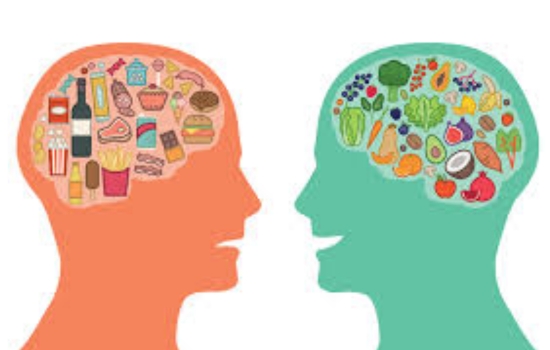
The emerging science of nutritional psychiatry empowers you with unprecedented control over your emotional wellbeing. Rather than viewing mood and mental health as purely psychological or requiring only pharmaceutical intervention, you now understand that every meal represents an opportunity to support or undermine your neurochemical foundation.
This knowledge carries both opportunity and responsibility. The food choices you make three times daily, year after year, accumulate into profound effects on brain structure, neurotransmitter function, and emotional resilience. While genetics and life circumstances certainly influence mental health, nutrition represents a powerful variable within your direct control.
Beginning this journey doesn’t require perfection—it requires consistency and self-compassion. Small, sustainable changes compound over time into transformative results. As you align your dietary choices with your neurochemical needs, you’ll likely notice improved mood stability, enhanced cognitive clarity, increased motivation, and greater emotional resilience.
The plate before you holds more than sustenance for your body. It contains the molecular building blocks of joy, calm, focus, and emotional wellbeing. By unlocking the power of diet to support optimal neurochemistry, you’re not just eating—you’re actively constructing a happier, healthier version of yourself, one meal at a time. 🌟
