The human brain holds incredible potential waiting to be unlocked. Non-invasive brain stimulation is emerging as a revolutionary way to enhance cognitive performance safely and effectively. 🧠

Understanding Non-Invasive Brain Stimulation: A New Frontier in Cognitive Enhancement
Non-invasive brain stimulation (NIBS) represents a groundbreaking approach to improving mental performance without surgical procedures or pharmaceutical interventions. These technologies use various forms of energy—electrical, magnetic, or ultrasonic—to modulate neural activity in targeted brain regions. Unlike traditional methods that require invasive procedures, NIBS techniques work externally, making them safer and more accessible to a broader population.
The science behind NIBS is rooted in neuroplasticity, the brain’s remarkable ability to reorganize and form new neural connections throughout life. By applying specific patterns of stimulation, these tools can enhance or suppress activity in particular brain areas, leading to improvements in memory, attention, learning capacity, and even mood regulation. Research institutions worldwide are discovering new applications for these technologies, from treating depression and anxiety to boosting athletic performance and accelerating skill acquisition.
The Most Promising Types of Brain Stimulation Technologies ⚡
Several distinct approaches to non-invasive brain stimulation have emerged, each with unique mechanisms and applications. Understanding these different modalities helps individuals choose the most appropriate tool for their specific cognitive enhancement goals.
Transcranial Direct Current Stimulation (tDCS)
Transcranial Direct Current Stimulation delivers low-intensity electrical currents through electrodes placed on the scalp. This gentle current modulates neuronal activity, with anodal stimulation typically increasing excitability and cathodal stimulation decreasing it. tDCS has gained popularity due to its affordability, portability, and growing body of research supporting its effectiveness.
Studies have shown that tDCS can improve working memory, attention span, mathematical abilities, and language learning. Athletes use it to enhance motor learning and reaction times, while students apply it to accelerate academic performance. The treatment sessions typically last 20-30 minutes, and effects can persist for hours after stimulation ends. With proper protocols, tDCS demonstrates an excellent safety profile with minimal side effects, usually limited to mild tingling sensations or slight redness at electrode sites.
Transcranial Magnetic Stimulation (TMS)
TMS uses powerful magnetic fields to induce electrical currents in specific brain regions. A coil placed against the scalp generates rapidly changing magnetic pulses that pass through the skull and stimulate neural tissue. This technique allows for more precise targeting compared to tDCS and can reach deeper brain structures.
Originally developed to map brain function, TMS has evolved into a therapeutic tool approved by regulatory agencies for treating major depression. Repetitive TMS (rTMS) protocols can produce lasting changes in neural circuitry, making it valuable for addressing various neurological and psychiatric conditions. Beyond clinical applications, TMS shows promise for cognitive enhancement, particularly in improving executive functions and creative thinking.
Transcranial Alternating Current Stimulation (tACS)
Unlike tDCS’s constant current, tACS applies oscillating electrical currents at specific frequencies. This approach aims to synchronize brain oscillations associated with particular cognitive states. Different frequency bands—delta, theta, alpha, beta, and gamma—correlate with distinct mental processes, from deep sleep to heightened concentration.
Researchers are exploring tACS for enhancing memory consolidation during sleep, improving attention in ADHD, and facilitating meditation-like states. By entraining brain waves to optimal frequencies, tACS may offer a more nuanced approach to cognitive enhancement than constant stimulation methods.
Photobiomodulation and Near-Infrared Light Therapy
This emerging technique uses specific wavelengths of light, particularly in the near-infrared spectrum, to stimulate cellular function in brain tissue. The light penetrates the skull and enhances mitochondrial function, increasing ATP production and cellular energy availability. This boost in cellular metabolism can improve cognitive performance and potentially protect against neurodegenerative processes.
Photobiomodulation devices are becoming increasingly accessible, with helmet-style and handheld units available for home use. Early research suggests benefits for memory, processing speed, and mental clarity, with virtually no side effects reported in properly conducted studies.
Real-World Applications: Who Benefits from Brain Stimulation? 🎯
The versatility of non-invasive brain stimulation makes it valuable for diverse populations pursuing different enhancement goals. Understanding these applications helps contextualize the technology’s transformative potential.
Students and Lifelong Learners
Educational settings present ideal opportunities for brain stimulation applications. Students preparing for examinations use these tools to enhance memory consolidation and information retention. Language learners report accelerated vocabulary acquisition and improved grammatical processing when combining brain stimulation with study sessions. The technology facilitates neuroplasticity during skill acquisition, potentially reducing the time required to master complex subjects.
Research demonstrates that stimulating the dorsolateral prefrontal cortex during learning activities can improve working memory capacity and attention span. Students experiencing these benefits report better focus during lectures, enhanced comprehension of complex material, and improved recall during testing situations.
Professionals Seeking Cognitive Edge
The competitive professional landscape drives increasing interest in cognitive enhancement tools. Executives use brain stimulation to sharpen decision-making abilities and maintain mental clarity during demanding schedules. Creative professionals explore these technologies to overcome mental blocks and enhance divergent thinking processes.
Software developers and programmers have shown particular interest, using stimulation protocols to maintain focus during long coding sessions and improve problem-solving capabilities. Financial analysts apply these tools when conducting complex data analysis, while public speakers use them to enhance verbal fluency and reduce performance anxiety.
Athletes and Performance Optimization
Motor learning and athletic performance represent particularly promising applications for brain stimulation. The motor cortex’s accessibility makes it an ideal target for enhancement protocols. Athletes use stimulation during practice sessions to accelerate skill acquisition, improve movement precision, and enhance mind-muscle connectivity.
Evidence suggests that combining brain stimulation with physical training produces superior results compared to training alone. Reaction times improve, movement patterns become more efficient, and the consolidation of motor memories accelerates. From professional sports teams to weekend warriors, athletes across all levels are exploring these cognitive enhancement tools.
Clinical and Therapeutic Applications
Beyond performance enhancement, non-invasive brain stimulation addresses various clinical conditions. Depression treatment represents the most established therapeutic application, with TMS approved by major regulatory bodies worldwide. Patients who haven’t responded to traditional antidepressants often experience significant symptom relief through stimulation protocols.
Anxiety disorders, PTSD, chronic pain, and stroke rehabilitation all show promise as treatment targets. Researchers continue exploring applications for ADHD, autism spectrum disorders, and neurodegenerative conditions like Alzheimer’s and Parkinson’s disease. While some applications remain experimental, the accumulating evidence base continues expanding the scope of therapeutic possibilities.
Scientific Evidence: What Research Reveals About Effectiveness 📊
The credibility of non-invasive brain stimulation rests on rigorous scientific investigation. Thousands of peer-reviewed studies have examined various aspects of these technologies, from basic mechanisms to clinical outcomes. Understanding this research landscape helps separate evidence-based applications from unfounded claims.
Meta-analyses examining tDCS effects on cognitive function reveal consistent, modest improvements across various domains. Working memory shows enhancement with effect sizes typically ranging from small to moderate. Language learning studies demonstrate accelerated vocabulary acquisition and improved grammatical processing when stimulation accompanies practice. Mathematical performance improves when stimulating specific prefrontal regions, though individual responses vary considerably.
The depression treatment literature for TMS is particularly robust, with multiple large-scale randomized controlled trials demonstrating efficacy. Response rates typically range from 50-60%, with remission occurring in approximately 30-40% of treatment-resistant patients. These outcomes compare favorably with pharmaceutical interventions while avoiding systemic side effects associated with medications.
Important considerations emerge from the research literature. Individual variability significantly affects outcomes—the same protocol producing substantial benefits in some individuals may generate minimal effects in others. Factors including baseline cognitive function, genetics, anatomical differences, and even time of day influence response patterns. Optimal stimulation parameters remain subjects of ongoing investigation, with researchers exploring various intensities, durations, and targeting approaches.
Safety Considerations and Responsible Use 🛡️
While non-invasive brain stimulation technologies demonstrate impressive safety profiles, responsible use requires understanding appropriate protocols and potential risks. The non-invasive nature eliminates surgical complications, but proper application remains essential for maximizing benefits while minimizing adverse effects.
Common side effects are generally mild and transient. tDCS users may experience tingling sensations, mild headaches, or slight skin irritation at electrode sites. TMS can cause discomfort at the stimulation site and rarely may trigger seizures in susceptible individuals. Proper screening eliminates most serious risks, with contraindications including epilepsy, metallic implants in the head, and certain medications affecting seizure threshold.
The long-term safety of repeated stimulation sessions continues being studied, though available evidence suggests minimal risk with appropriate protocols. Guidelines recommend limiting session frequency and duration, avoiding excessive intensities, and maintaining proper electrode placement. Users should research evidence-based protocols rather than experimenting with arbitrary parameters.
Consultation with healthcare professionals is advisable, particularly for individuals with medical conditions or those taking medications. While consumer devices become increasingly available, professional guidance ensures appropriate application for specific goals and circumstances. Quality control varies among consumer products, making informed selection crucial for safety and effectiveness.
Emerging Technologies and Future Directions 🚀
The field of non-invasive brain stimulation continues evolving rapidly, with innovative approaches emerging regularly. Closed-loop systems represent a particularly exciting development, using real-time brain monitoring to adjust stimulation parameters dynamically. These systems read EEG signals and modify stimulation based on current brain states, potentially optimizing effectiveness beyond what static protocols achieve.
Smartphone integration is making brain stimulation more accessible and user-friendly. Applications guide users through evidence-based protocols, track progress over time, and adjust parameters based on reported outcomes. Some systems incorporate cognitive training exercises designed to synergize with stimulation, potentially amplifying benefits through targeted neural activation during enhancement.
Artificial intelligence and machine learning are being applied to optimize stimulation protocols. By analyzing response patterns across large populations, algorithms can predict optimal parameters for individual users based on their characteristics and goals. This personalized approach may resolve the variability challenge that currently limits effectiveness for some users.
Combination approaches integrating multiple modalities show particular promise. Researchers are exploring simultaneous application of different stimulation types, leveraging their complementary mechanisms. Pairing brain stimulation with virtual reality training, neurofeedback, or pharmacological agents may produce synergistic effects exceeding what individual interventions achieve alone.
Practical Implementation: Getting Started with Brain Enhancement
Those interested in exploring non-invasive brain stimulation should approach the field systematically. Begin by clearly defining your enhancement goals—whether improving specific cognitive functions, addressing particular challenges, or supporting overall brain health. Different goals may require different stimulation approaches and protocols.
Research the available options thoroughly, focusing on techniques with evidence supporting your specific objectives. Consumer tDCS devices offer the most accessible entry point, with numerous options available at various price points. Evaluate product quality, safety certifications, and availability of evidence-based protocols. Professional-grade equipment offers greater precision but comes with higher costs and complexity.
Start conservatively with well-established protocols rather than experimenting with untested parameters. Many resources provide evidence-based guidelines for electrode placement, stimulation intensity, duration, and frequency. Document your experiences carefully, tracking both subjective impressions and objective performance measures when possible. This data helps optimize your approach over time.
Consider combining brain stimulation with complementary strategies for comprehensive cognitive enhancement. Quality sleep, regular exercise, proper nutrition, stress management, and targeted cognitive training all support brain function. Brain stimulation works best as part of a holistic approach rather than an isolated intervention.
Maximizing Benefits: Best Practices for Brain Stimulation Success
Achieving optimal results requires more than simply applying stimulation. Timing matters significantly—stimulating during active engagement in target activities generally produces superior outcomes compared to passive stimulation. If enhancing language learning, stimulate while practicing vocabulary or grammar. For motor learning, apply stimulation during physical practice sessions.
Consistency produces better results than sporadic application. Most protocols recommend multiple sessions over weeks or months rather than single applications. The cumulative effects of repeated stimulation can produce lasting neural changes, whereas isolated sessions generate temporary improvements.
Individual optimization requires experimentation within safe parameters. While starting with established protocols, subtle adjustments may improve outcomes for your unique neurology. Factors like exact electrode positioning, stimulation intensity, and session timing can influence effectiveness. Systematic variation with careful documentation helps identify your optimal approach.
Manage expectations realistically. Brain stimulation enhances existing capabilities rather than creating entirely new ones. Improvements tend to be modest in magnitude though potentially meaningful in practical impact. The technology facilitates learning and performance rather than replacing the effort required for skill development.
Transforming Potential into Reality: Your Brain Enhancement Journey
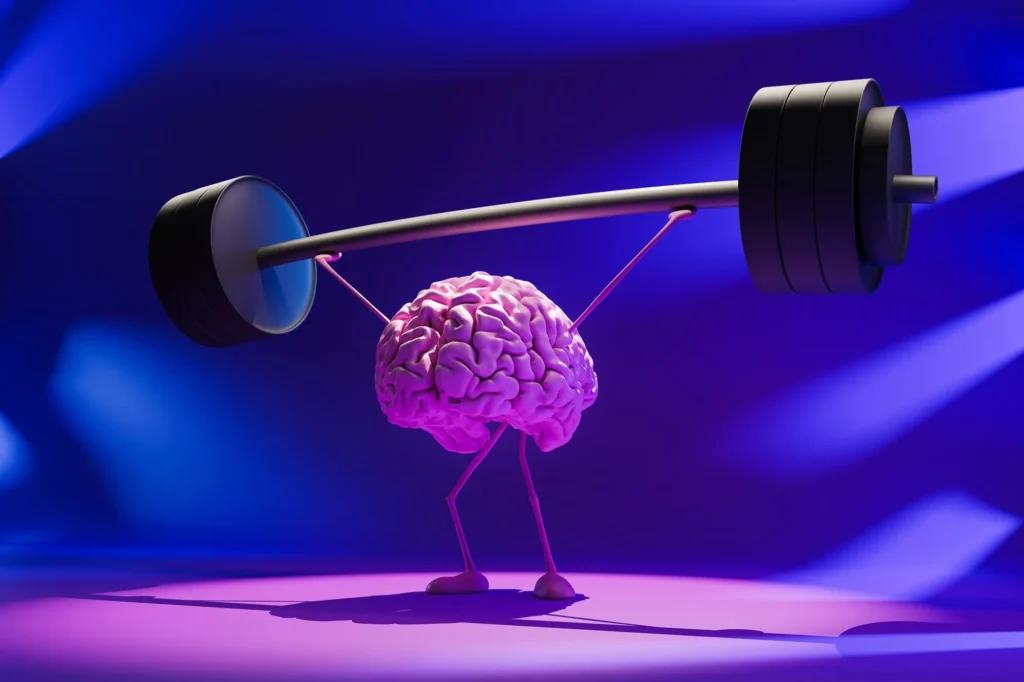
Non-invasive brain stimulation represents a powerful tool for unlocking cognitive potential that would otherwise remain dormant. The convergence of neuroscience, technology, and accessibility is creating unprecedented opportunities for safe, effective brain enhancement. From students seeking academic excellence to professionals pursuing competitive advantages, from athletes optimizing performance to individuals addressing clinical challenges, these technologies offer transformative possibilities.
The field continues maturing, with expanding research clarifying mechanisms, optimizing protocols, and identifying new applications. As technologies become more sophisticated and accessible, brain enhancement will likely become increasingly integrated into daily life. The question shifts from whether to enhance cognitive function to how best to implement these powerful tools responsibly and effectively.
Your brain contains extraordinary capabilities waiting to be activated. Non-invasive brain stimulation provides a key to unlocking this potential, offering a bridge between current performance and optimal function. By approaching these technologies with informed enthusiasm—grounded in scientific evidence, guided by safety considerations, and integrated with complementary health practices—you can harness their power to achieve cognitive goals that previously seemed out of reach. The journey to enhanced brain function begins with understanding these remarkable tools and taking the first step toward realizing your mental potential. 🌟
