
Your brain is a powerful organ capable of remarkable transformation. Neurofeedback offers a scientifically-backed approach to optimize mental performance, emotional balance, and overall cognitive function.

🧠 Understanding Neurofeedback: A Window Into Your Mind
Neurofeedback, also known as EEG biofeedback, is a non-invasive training technique that teaches your brain to function more efficiently. By monitoring brainwave activity in real-time, this technology provides immediate feedback that helps you consciously regulate your mental states. Think of it as a mirror for your mind—revealing patterns you can’t normally see and empowering you to change them.
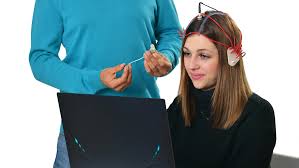
The process involves placing sensors on your scalp to measure electrical activity in your brain. These measurements are displayed on a screen, often through engaging visual or auditory feedback. When your brain produces desired brainwave patterns, you receive positive reinforcement. Over time, your brain learns to maintain these healthier patterns automatically, much like muscle memory develops through physical exercise.
Originally developed in the 1960s, neurofeedback has evolved from experimental research into a mainstream therapeutic tool. Today, it’s used by healthcare professionals, psychologists, peak performance coaches, and individuals seeking to enhance their mental capabilities.
The Science Behind Brainwave Training
Your brain generates electrical impulses that create different types of brainwaves, each associated with specific mental states. Understanding these patterns is fundamental to grasping how neurofeedback works and why it’s so effective for various applications.
Different Brainwave Frequencies and Their Functions
Delta waves (0.5-4 Hz) dominate during deep sleep and are crucial for healing and regeneration. Theta waves (4-8 Hz) appear during light sleep, deep meditation, and creative states. Alpha waves (8-12 Hz) characterize relaxed yet alert awareness—the ideal state for learning. Beta waves (12-30 Hz) support active thinking, problem-solving, and focus. Finally, gamma waves (30-100 Hz) are associated with peak cognitive performance and heightened perception.
When these brainwave patterns are imbalanced, various challenges can emerge. Excessive beta activity might contribute to anxiety and racing thoughts, while insufficient beta could manifest as attention difficulties. Too much theta during waking hours may cause brain fog, while inadequate alpha can prevent relaxation and stress recovery.
Neurofeedback identifies these imbalances and trains your brain to produce more optimal patterns for whatever situation you’re facing—whether that’s concentrating during work, relaxing before sleep, or accessing creative states for problem-solving.
🎯 Transforming Everyday Challenges Into Opportunities
The practical applications of neurofeedback extend far beyond clinical settings. This technology addresses common everyday challenges that affect millions of people worldwide, offering drug-free solutions that create lasting changes.
Conquering Attention and Focus Difficulties
In our distraction-filled world, maintaining sustained attention has become increasingly challenging. Neurofeedback has shown remarkable effectiveness for improving concentration, particularly for individuals with ADHD or attention difficulties. By training the brain to produce more beta waves while reducing excessive theta activity, people report significant improvements in their ability to focus on tasks, complete projects, and manage time effectively.
Students using neurofeedback often experience better academic performance, improved test scores, and enhanced reading comprehension. Professionals report increased productivity, fewer errors, and better project completion rates. The training doesn’t just improve attention temporarily—it creates lasting neurological changes that persist long after sessions end.
Managing Anxiety and Stress Responses
Chronic stress and anxiety affect nearly 40% of adults worldwide. Neurofeedback offers a path to regain control over these overwhelming feelings by teaching your brain to shift from high-alert patterns into calmer states. The training typically focuses on increasing alpha waves and reducing excessive high-beta activity associated with anxiety.
People who complete neurofeedback training for anxiety often report feeling more grounded, less reactive to stressors, and better equipped to handle life’s challenges. Physical symptoms like muscle tension, racing heartbeat, and shallow breathing frequently diminish as the nervous system learns to maintain balance.
Improving Sleep Quality and Recovery
Quality sleep forms the foundation of health, yet millions struggle with insomnia, restless sleep, or non-restorative rest. Neurofeedback addresses sleep issues by training the brain to produce appropriate brainwave patterns for different sleep stages. This approach proves especially valuable for people whose minds race at bedtime or who experience frequent night awakenings.
Unlike sleep medications that force sedation, neurofeedback teaches your brain its natural sleep architecture. Users typically report falling asleep faster, sleeping more deeply, and waking feeling genuinely refreshed—benefits that continue to improve over time.
⚡ Enhancing Peak Performance and Cognitive Function
Beyond addressing challenges, neurofeedback serves as a powerful tool for optimization. Athletes, executives, artists, and high-performers across various fields use this technology to access flow states, enhance creativity, and maximize their potential.
Accessing Flow States More Consistently
Flow—that magical state where time disappears and performance feels effortless—has specific neurological signatures. Neurofeedback can help you recognize and recreate these optimal brain states on demand. By training the specific brainwave patterns associated with flow (typically a combination of alpha and theta), you can access peak performance more reliably.
Musicians report improved performances, athletes describe better “zone” experiences, and creative professionals find ideas flowing more freely. The ability to intentionally enter these states transforms not just performance quality but also the enjoyment and satisfaction derived from activities.
Boosting Memory and Learning Capacity
Learning efficiency depends heavily on brain state. Neurofeedback training that optimizes alpha waves can significantly enhance information retention, processing speed, and recall abilities. This proves invaluable for students, professionals learning new skills, and older adults wanting to maintain cognitive sharpness.
Research shows that neurofeedback can improve both working memory (holding information temporarily) and long-term memory formation. People often notice improvements in remembering names, following complex conversations, and recalling detailed information without notes.
🏥 The Clinical Applications Expanding Healthcare Options
Medical and mental health professionals increasingly incorporate neurofeedback into treatment protocols for various conditions. While it’s not a replacement for necessary medical care, it offers a complementary approach that addresses root neurological patterns rather than just managing symptoms.
Supporting Mental Health Treatment
Depression, PTSD, and other mental health conditions often involve characteristic brainwave patterns. Neurofeedback can help normalize these patterns, providing relief without the side effects commonly associated with psychiatric medications. Many therapists now integrate neurofeedback with traditional talk therapy, finding that clients make faster progress when both approaches work together.
For PTSD specifically, neurofeedback helps regulate the hyperarousal that keeps sufferers locked in fight-or-flight mode. Veterans, trauma survivors, and others with PTSD report reduced flashbacks, better emotional regulation, and improved quality of life after completing neurofeedback protocols.
Managing Neurological Conditions
Conditions like migraines, epilepsy, and traumatic brain injury may benefit from neurofeedback training. While results vary individually, many people experience reduced symptom frequency and severity. Migraine sufferers often report fewer headaches with less intensity. Some individuals with seizure disorders achieve better seizure control, sometimes reducing medication needs under medical supervision.
The non-invasive nature of neurofeedback makes it an attractive option for people seeking additional tools beyond conventional treatments or those unable to tolerate certain medications.
🔬 What Does a Neurofeedback Session Actually Look Like?
Understanding the practical aspects of neurofeedback helps demystify the process and sets realistic expectations for anyone considering this approach.
A typical session begins with a practitioner placing sensors on specific scalp locations using a conductive gel or paste. These sensors detect your brain’s electrical activity but don’t send any signals into your brain—the process is entirely passive and painless. The data streams to specialized software that analyzes your brainwave patterns in real-time.
During training, you might watch a movie that plays smoothly when your brain produces desired patterns and dims or pauses when patterns drift. Alternatively, you might play a simple game, listen to music, or watch abstract visualizations—all controlled by your brainwave activity. Your conscious role is surprisingly passive; you simply observe and let your brain figure out how to keep the feedback positive.
Sessions typically last 30-60 minutes, with protocols often requiring 20-40 sessions for lasting results. Frequency varies but usually involves one to three sessions weekly. Many people notice initial changes within the first few sessions, though substantial benefits typically emerge progressively as training accumulates.
💡 At-Home Neurofeedback: Technology Meets Accessibility
Recent technological advances have brought neurofeedback capabilities into homes worldwide. Consumer-grade devices now offer training protocols previously available only in clinical settings, though with varying levels of sophistication and effectiveness.
Devices range from simple headbands with basic training programs to more comprehensive systems offering multiple sensors and customizable protocols. Popular options include Muse, which focuses on meditation and relaxation training, and more advanced systems that provide broader protocol options.
While home systems offer convenience and cost savings compared to clinical sessions, they have limitations. Professional neurofeedback includes detailed brain mapping (qEEG) that identifies specific imbalances and guides customized protocols. Practitioners also monitor progress and adjust training approaches based on your response. Home devices typically offer more generalized training that may not address your specific patterns as precisely.
That said, home neurofeedback can be valuable for general stress reduction, meditation support, and maintaining gains achieved through professional training. Many people use home devices as an adjunct to periodic professional sessions, creating a hybrid approach that balances effectiveness with practicality.
🌟 Real-World Success Stories and Outcomes
Beyond research statistics, the human impact of neurofeedback reveals itself through transformed lives. A college student who couldn’t focus long enough to complete exams now graduates with honors. An executive plagued by anxiety attacks leads meetings with confidence. An insomniac sleeps through the night naturally for the first time in years.
Parents of children with ADHD often report dramatic improvements in school performance, social relationships, and family harmony after neurofeedback training. Many describe their children as finally able to access their true capabilities rather than fighting constant distractibility.
Veterans returning from combat with PTSD describe regaining a sense of safety in the world, reconnecting with families, and moving beyond survival mode into actually living again. While neurofeedback isn’t magic and doesn’t work identically for everyone, the accumulation of success stories continues growing as more people discover this approach.
🔍 Choosing Quality Training: What to Look For
Not all neurofeedback providers offer equivalent quality. Finding effective training requires understanding what distinguishes professional, research-based approaches from less rigorous options.
Qualified practitioners typically hold certifications from organizations like the Biofeedback Certification International Alliance (BCIA). They should conduct initial assessments including detailed history-taking and ideally quantitative EEG (qEEG) brain mapping to identify specific patterns requiring attention. This personalized approach proves far more effective than generic protocols applied to everyone.
Ask potential providers about their training background, typical protocols for your specific concerns, expected timeline for results, and how they measure progress. Professional practitioners track outcomes systematically and adjust approaches based on your response rather than following rigid protocols regardless of effectiveness.
Red flags include promises of quick fixes, guaranteed cures, or practitioners who dismiss the need for proper assessment. Quality neurofeedback requires patience, expertise, and individualized attention—approaches that respect these realities typically deliver better outcomes.
🚀 Integrating Neurofeedback Into Your Wellness Routine
Neurofeedback works best as part of a comprehensive approach to brain health and overall wellness. The training creates opportunities for change, but supporting lifestyle factors determine how fully you realize those benefits.
Adequate sleep, regular exercise, stress management practices, and proper nutrition all support neuroplasticity—your brain’s ability to form new connections and patterns. Neurofeedback accelerates this process, but your daily choices either reinforce new patterns or pull you back toward old ones.
Consider neurofeedback as teaching your brain a new skill, similar to learning an instrument or sport. Initial training establishes the foundation, but continued practice and supportive conditions allow mastery to develop. Many people find that combining neurofeedback with meditation, therapy, coaching, or other developmental practices creates synergistic benefits exceeding any single approach alone.
The Investment: Cost and Commitment Considerations
Professional neurofeedback typically costs between $75-$200 per session, with full protocols requiring $2,000-$6,000 total. Insurance coverage varies; some plans cover neurofeedback for specific conditions while others don’t. Health savings accounts (HSAs) often allow neurofeedback expenses, making costs more manageable.
Home systems range from $200-$500 for basic devices to several thousand dollars for clinical-grade equipment. While the upfront cost seems substantial, it may prove economical compared to ongoing professional sessions, particularly for general wellness maintenance.
Beyond financial investment, neurofeedback requires time commitment. Regular sessions over several months demand schedule flexibility and patience. However, most people find the investment worthwhile given the potential for lasting improvements in cognitive function, emotional regulation, and overall quality of life.
🌈 Unlocking Your Brain’s Remarkable Adaptive Capacity
Your brain possesses extraordinary capabilities for change throughout your lifetime. Neurofeedback provides a structured, scientific approach to guide that change intentionally rather than leaving it to chance. Whether you’re addressing specific challenges or seeking to enhance already good performance, this technology offers tools for transformation that simply weren’t accessible to previous generations.
The beauty of neurofeedback lies in its fundamental approach: teaching rather than forcing, working with your brain’s natural learning mechanisms rather than against them. This creates sustainable changes that become part of how your brain naturally functions rather than temporary states requiring constant maintenance.
As technology continues advancing and research expands our understanding of brain function, neurofeedback’s applications will likely grow even broader. Early adopters of this approach position themselves at the forefront of a movement toward proactive brain health and optimized human performance.
Consider what aspects of your mental function you’d most like to improve. Better focus? Reduced anxiety? Enhanced creativity? More restful sleep? Neurofeedback offers pathways to these improvements grounded in neuroscience rather than wishful thinking. Your brain’s potential extends far beyond its current performance—neurofeedback provides the map and training to explore that vast territory of possibility.
The journey toward optimal brain function begins with a single decision to explore what’s possible. Whether you choose professional training, home-based devices, or a combination approach, you’re taking active control of your neurological health and cognitive future. In a world demanding ever more from our mental capacities, investing in your brain’s performance and resilience isn’t just beneficial—it’s essential for thriving in modern life.
