
The human brain is an extraordinary organ, yet most of us tap into only a fraction of its true capabilities. Augmented cognition offers a revolutionary pathway to unlock hidden mental potential through innovative technology.

🧠 The Dawn of Augmented Cognition: Understanding the Basics
Augmented cognition, often abbreviated as AugCog, represents a groundbreaking field that merges neuroscience, computer science, and human-computer interaction. This emerging discipline focuses on enhancing human cognitive abilities through real-time monitoring and adaptive technological interventions. Unlike traditional cognitive enhancement methods that rely solely on mental exercises or pharmaceutical approaches, augmented cognition creates a dynamic partnership between human intelligence and computational systems.
At its core, augmented cognition operates by continuously assessing an individual’s cognitive state—including attention levels, working memory capacity, and mental workload—and then adapting technological interfaces or providing interventions to optimize performance. This closed-loop system represents a paradigm shift in how we approach human potential, moving from static tools to responsive systems that evolve with our mental state.
The concept originated within military research, where optimizing soldier performance under extreme conditions was paramount. However, the applications have expanded exponentially, now encompassing education, healthcare, professional productivity, and personal development. The fundamental premise remains consistent: technology can serve not merely as a tool we use, but as an extension of our cognitive architecture itself.
The Neuroscience Behind Cognitive Enhancement 🔬
Understanding how augmented cognition works requires appreciating the brain’s remarkable plasticity and its electrical nature. Our neurons communicate through electrical impulses that generate measurable brain waves, which vary depending on our mental state. These patterns—from the high-frequency gamma waves associated with intense focus to the slower alpha waves linked with relaxed alertness—provide a window into our cognitive functioning.
Modern neurotechnology harnesses this electrical activity through various measurement techniques. Electroencephalography (EEG) remains the most accessible method, using sensors placed on the scalp to detect brain wave patterns. More advanced techniques include functional near-infrared spectroscopy (fNIRS), which measures blood flow changes in the brain, and even emerging technologies like magnetoencephalography (MEG) that detect magnetic fields produced by neuronal activity.
The brain’s neuroplasticity—its ability to reorganize itself by forming new neural connections—plays a crucial role in augmented cognition’s effectiveness. When we engage with adaptive technologies that challenge us at precisely the right difficulty level, we stimulate neural growth and strengthen cognitive pathways. This process mirrors how physical exercise builds muscle, except here we’re building mental capacity.
Cutting-Edge Technologies Reshaping Cognitive Performance 🚀
The technological landscape of augmented cognition has evolved dramatically over the past decade. What once required laboratory-grade equipment now fits into consumer-grade devices that individuals can use in everyday settings. This democratization of cognitive enhancement technology marks a pivotal moment in human development.
Brain-Computer Interfaces: The Direct Connection
Brain-computer interfaces (BCIs) represent perhaps the most direct form of augmented cognition. These systems establish a communication pathway between the brain and external devices, bypassing traditional neuromuscular pathways. While early BCIs were primarily developed for individuals with severe motor disabilities, contemporary applications extend far beyond medical necessity.
Modern BCIs enable users to control software applications, adjust environmental settings, or even communicate through thought alone. Companies like Neuralink are pushing boundaries with implantable devices, while non-invasive alternatives continue to improve in accuracy and responsiveness. The implications for cognitive enhancement are profound—imagine adjusting your work environment’s lighting, temperature, and ambient noise automatically based on your detected cognitive state.
Neurofeedback Training Systems
Neurofeedback technology provides real-time information about brain activity, allowing users to learn self-regulation of specific brain wave patterns. This approach has shown remarkable promise in treating attention disorders, anxiety, and even enhancing peak performance in healthy individuals. Athletes, executives, and students increasingly turn to neurofeedback to gain competitive advantages in their respective fields.
These systems typically involve wearing a headset that monitors brain activity while engaging in tasks or games designed to reward desired brain states. Over time, users develop greater conscious control over their cognitive patterns, leading to improved focus, emotional regulation, and mental clarity. The training effect persists beyond the sessions themselves, creating lasting changes in neural functioning.
Adaptive Learning Platforms with Cognitive Monitoring
Educational technology has embraced augmented cognition principles to create learning experiences that adapt in real-time to students’ cognitive states. These platforms monitor engagement, confusion, and cognitive load through various sensors and behavioral analytics, then adjust content difficulty, pacing, and presentation style accordingly.
This personalization surpasses traditional adaptive learning systems by incorporating physiological data rather than relying solely on answer correctness. A student might answer questions correctly while experiencing excessive cognitive strain, signaling the need for additional scaffolding despite apparent mastery. Conversely, correct answers accompanied by minimal cognitive engagement might indicate under-challenging content requiring advancement.
Practical Applications Transforming Daily Life 💡
The true measure of any technology lies in its practical utility. Augmented cognition has transitioned from theoretical promise to tangible applications that enhance various aspects of daily life, professional performance, and personal well-being.
Workplace Productivity and Professional Excellence
Modern work environments increasingly incorporate augmented cognition tools to combat information overload and optimize employee performance. Smart notification systems analyze your cognitive state before delivering messages, holding non-urgent communications during high-focus periods. Some organizations implement ambient intelligence systems that adjust workspace conditions based on collective cognitive states, creating environments that naturally enhance concentration and creativity.
Professional drivers, pilots, and operators of complex machinery benefit from fatigue detection systems that monitor cognitive alertness and provide warnings when mental performance degrades to dangerous levels. These systems have prevented countless accidents by identifying cognitive impairment before it manifests in observable errors.
Educational Enhancement and Accelerated Learning
Students from elementary school through graduate education are experiencing the benefits of cognitively-aware educational technology. Virtual tutors equipped with emotion recognition and attention monitoring capabilities provide support precisely when confusion emerges, rather than waiting for students to explicitly request help. This proactive assistance prevents the accumulation of knowledge gaps that typically derail learning progress.
Language learning applications now incorporate cognitive state monitoring to optimize vocabulary introduction timing and review scheduling based on individual memory consolidation patterns rather than generic algorithms. This personalization dramatically improves retention rates and accelerates fluency development.
Mental Health and Wellness Applications
The mental health field has embraced augmented cognition for both therapeutic interventions and preventive care. Meditation and mindfulness applications provide real-time feedback on mental state, helping users develop more effective practices. Individuals struggling with anxiety disorders benefit from systems that detect early signs of anxiety escalation and prompt intervention strategies before full-blown panic attacks develop.
Sleep optimization represents another promising application area. Wearable devices monitor sleep stages and can deliver precisely-timed sensory interventions—subtle sounds, vibrations, or even transcranial stimulation—to enhance sleep quality, improve memory consolidation, and optimize circadian rhythms.
The Science of Optimizing Your Cognitive State 📊
Effectively harnessing augmented cognition requires understanding the various factors that influence cognitive performance and how technology can address each element systematically.
Managing Cognitive Load in Information-Rich Environments
Cognitive load theory distinguishes between intrinsic load (inherent task difficulty), extraneous load (unnecessary complexity in presentation), and germane load (mental effort directed toward learning). Augmented cognition systems excel at managing these components by detecting when total cognitive load approaches capacity limits and then reducing extraneous elements or restructuring information presentation.
Modern interfaces equipped with eye-tracking and attention monitoring can simplify displays when detecting cognitive strain, prioritizing essential information and temporarily hiding secondary details. This dynamic adaptation prevents the cognitive overload that typically degrades decision quality and learning outcomes.
Attention Management and Flow State Cultivation
Achieving flow states—those periods of optimal engagement where time seems to disappear and performance peaks—remains elusive for many. Augmented cognition technology facilitates flow by maintaining the delicate balance between challenge and skill level that characterizes these states. By continuously monitoring engagement markers and adjusting task difficulty, these systems keep users in the optimal zone for extended periods.
Attention restoration technology recognizes when mental fatigue degrades focus and prompts strategic breaks or shifts to less demanding activities. Rather than powering through diminishing returns, users maintain higher average productivity by aligning task demands with current cognitive capacity.
Implementing Augmented Cognition in Your Life 🎯
Transitioning from understanding augmented cognition to actually benefiting from it requires practical steps accessible to individuals at various technological comfort levels and budget points.
Entry-Level Approaches for Beginners
Beginning your augmented cognition journey doesn’t require expensive equipment or extensive technical knowledge. Several smartphone applications leverage device sensors and behavioral analytics to provide basic cognitive enhancement features. Focus timers that adapt session length based on your historical productivity patterns offer simple but effective augmentation.
Mindfulness and meditation apps with progress tracking help build foundational attention control skills that complement more advanced technologies. Even simple habit-tracking applications provide cognitive benefits by reducing decision fatigue and automating routine behaviors, freeing mental resources for higher-priority cognitive tasks.
Intermediate Technologies for Enthusiasts
As you progress, consumer-grade EEG headsets offer accessible entry points into direct brain monitoring and neurofeedback training. Devices like Muse and NeuroSky provide meditation guidance based on real-time brain activity, while platforms like BrainCo enable attention training through engaging applications and games.
Wearable fitness trackers with advanced sleep monitoring capabilities represent another intermediate step, providing insights into how sleep quality affects cognitive performance and offering personalized recommendations for improvement. Combined with smart lighting systems that adjust color temperature throughout the day to support circadian rhythms, these tools create an ecosystem supporting optimal cognitive function.
Advanced Integration for Peak Performance
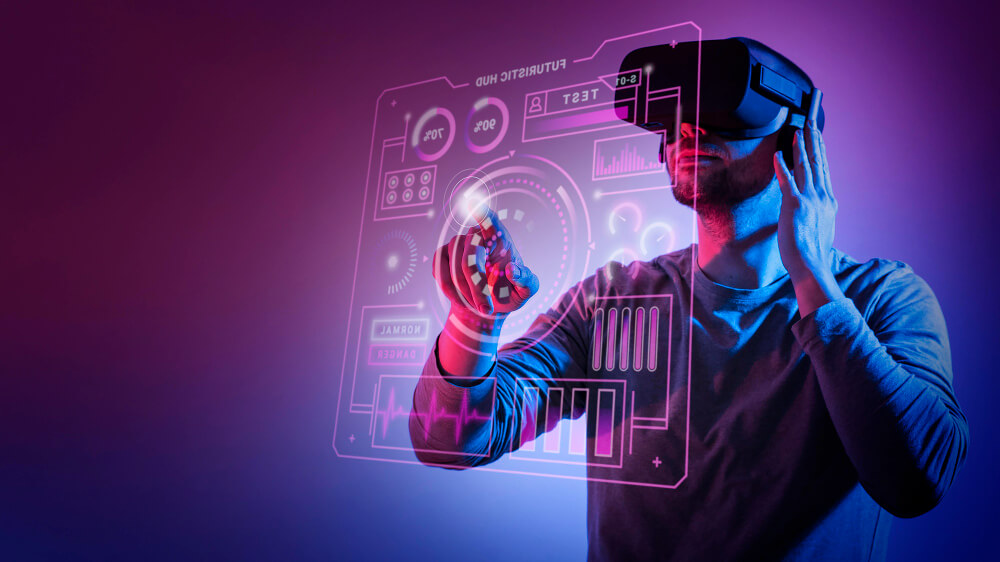
Serious practitioners of cognitive enhancement can integrate multiple technologies into comprehensive systems. Professional-grade EEG systems combined with virtual reality environments enable immersive neurofeedback training experiences that accelerate skill development. Some high-performers work with specialists to develop personalized cognitive training protocols targeting specific weaknesses or enhancing particular strengths.
Transcranial electrical stimulation devices, while requiring careful research and potentially professional guidance, offer another frontier in direct cognitive enhancement. These tools apply weak electrical currents to specific brain regions to modulate activity patterns, with research suggesting benefits for learning, creativity, and even mood regulation.
Navigating Ethical Considerations and Future Implications 🤔
As with any powerful technology, augmented cognition raises important ethical questions that individuals and society must thoughtfully address as these tools become increasingly prevalent and potent.
Privacy and Data Security Concerns
Brain data represents perhaps the most intimate personal information imaginable—literal recordings of thought patterns and mental states. Ensuring this information remains secure and private poses significant challenges. Who owns your brain data? Can employers require cognitive monitoring? Should advertisers access emotional response data? These questions lack definitive answers but demand ongoing attention as technology evolves.
Responsible users should carefully evaluate privacy policies of cognitive enhancement platforms, preferring systems that process data locally rather than transmitting sensitive information to remote servers. Open-source solutions, while potentially less polished, offer greater transparency regarding data handling practices.
Equity and Access Issues
As augmented cognition technologies prove their effectiveness, disparities in access could exacerbate existing inequalities. Students with access to personalized cognitive enhancement tools may gain significant advantages over peers lacking such resources. Professional fields might develop implicit expectations that workers utilize cognitive enhancement, creating pressure to adopt technologies regardless of personal preferences or financial constraints.
Addressing these concerns requires proactive efforts to democratize access, perhaps through public libraries, educational institutions, and community centers offering shared access to cognitive enhancement technologies. Policy frameworks may need to evolve to prevent discrimination based on cognitive enhancement choices.
Your Roadmap to Enhanced Cognitive Performance 🗺️
Successfully unlocking your brain’s potential through augmented cognition requires a strategic, personalized approach rather than adopting every available technology indiscriminately. Begin by identifying specific cognitive domains you wish to enhance—perhaps sustained attention, working memory, emotional regulation, or creative thinking. Different technologies and approaches show varying effectiveness across these domains.
Establish baseline measurements of your current cognitive performance using validated assessments or even simple self-monitoring of productivity and mental clarity. These baselines enable you to objectively evaluate whether interventions produce genuine improvements or merely create placebo effects. Document your experiences, noting which technologies and practices yield meaningful benefits versus those that prove ineffective for your particular neurology and lifestyle.
Integrate new technologies gradually, allowing sufficient time to assess their individual impacts before introducing additional variables. This methodical approach prevents confusion about which elements of your cognitive enhancement stack actually contribute to improvements. Remember that augmented cognition tools work best when combined with foundational health practices—adequate sleep, regular exercise, proper nutrition, and stress management remain irreplaceable components of optimal cognitive function.
The frontier of human cognitive potential stands before us, more accessible than ever through cutting-edge augmented cognition technologies. Whether you’re a student seeking academic excellence, a professional pursuing peak performance, or simply someone committed to lifelong cognitive vitality, these tools offer unprecedented opportunities to transcend previous limitations. The question is no longer whether we can enhance human cognition through technology, but rather how we’ll responsibly harness these capabilities to flourish individually and collectively. Your enhanced cognitive future begins with the first intentional step toward understanding and implementing these powerful tools—a journey that promises to fundamentally transform your relationship with your own mental capabilities.
