
Your brain holds the key to peak performance, and now wearable technology can help you unlock its full potential through real-time monitoring and actionable insights.

The human brain remains one of the most complex and fascinating organs, responsible for everything from our thoughts and emotions to our physical movements and overall health. For decades, understanding brain activity required expensive laboratory equipment and clinical settings. Today, wearable brain monitoring devices have revolutionized how we interact with our neural activity, bringing neuroscience from research labs directly to our wrists, heads, and bodies.
These innovative devices represent a convergence of neuroscience, engineering, and consumer technology, offering unprecedented access to our cognitive states. Whether you’re an athlete seeking competitive advantage, a professional optimizing workplace performance, or someone managing stress and mental health, wearable brain monitors provide data-driven insights that were previously impossible to obtain outside medical facilities.
🧠 Understanding Wearable Brain Monitoring Technology
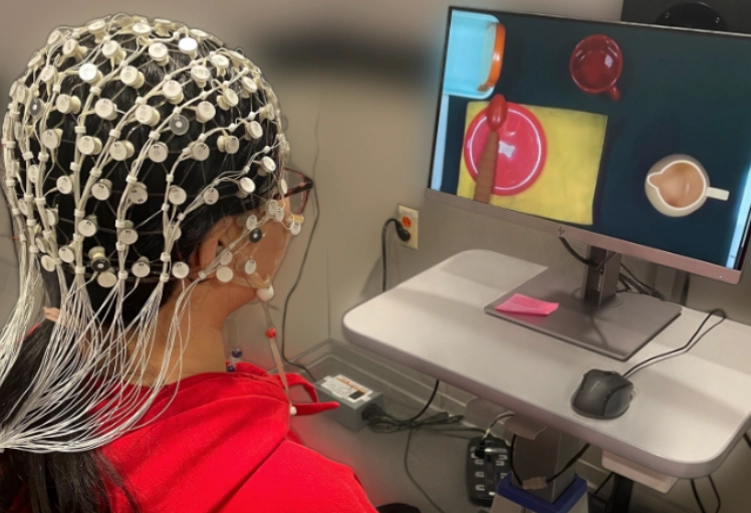
Wearable brain monitoring devices utilize various sensing technologies to track neural activity and cognitive states. The most common approach involves electroencephalography (EEG), which measures electrical activity in the brain through sensors placed on the scalp. Modern consumer devices have miniaturized this technology, making it comfortable and practical for everyday use.
These devices work by detecting the tiny electrical impulses generated when neurons communicate. Different brainwave frequencies correspond to different mental states: delta waves during deep sleep, theta waves during meditation, alpha waves during relaxation, beta waves during active thinking, and gamma waves during intense concentration.
Beyond EEG, some devices incorporate additional sensors measuring heart rate variability, blood oxygen levels, and movement patterns. This multimodal approach provides a more comprehensive picture of your physiological and cognitive state, enabling more accurate assessments and personalized recommendations.
The Science Behind Brain-Computer Interfaces
Brain-computer interfaces (BCIs) form the foundation of wearable brain monitoring technology. These systems create a direct communication pathway between the brain and external devices, translating neural signals into actionable data. While medical-grade BCIs can be invasive, consumer wearables use non-invasive sensors that sit comfortably on the skin.
The technology relies on sophisticated algorithms and machine learning to filter signal noise and identify meaningful patterns in brain activity. As these algorithms improve through artificial intelligence, the accuracy and utility of consumer brain monitors continue to advance, bringing professional-grade insights to everyday users.
⚡ Performance Enhancement Through Brain Monitoring
Athletes and high performers have quickly adopted wearable brain monitoring devices to gain competitive advantages. These tools provide objective measurements of focus, mental fatigue, and recovery, allowing for optimized training schedules and performance strategies.
Professional sports teams now use brain monitoring to assess athlete readiness, preventing overtraining and reducing injury risk. When cognitive function declines, physical performance inevitably follows. By tracking neural markers of fatigue, coaches can make informed decisions about rest periods and training intensity.
Business executives and knowledge workers leverage these devices to identify their peak productivity hours, optimize break schedules, and maintain cognitive sharpness throughout demanding workdays. Real-time feedback helps users recognize when they’re entering flow states or when mental fatigue requires a break.
Cognitive Training and Neurofeedback
Neurofeedback represents one of the most powerful applications of wearable brain monitors. This technique provides real-time information about brain activity, allowing users to consciously influence their neural patterns through practice and awareness.
Studies have shown that regular neurofeedback training can improve attention span, reduce anxiety, enhance memory, and promote emotional regulation. Many devices gamify this process, making cognitive training engaging and measurable. Users can track their progress over weeks and months, seeing tangible improvements in their ability to maintain focus or enter relaxed states on command.
💤 Sleep Optimization and Recovery
Quality sleep forms the foundation of cognitive performance and overall health, yet many people struggle with sleep issues without understanding their underlying causes. Wearable brain monitors excel at sleep tracking, providing detailed analysis of sleep stages, disturbances, and quality metrics that simple motion-based trackers cannot match.
These devices distinguish between light sleep, deep sleep, and REM sleep with remarkable accuracy by monitoring brain wave patterns. This information reveals whether you’re getting sufficient restorative deep sleep and adequate REM sleep for memory consolidation and emotional processing.
Armed with this data, users can experiment with different bedtime routines, environmental adjustments, and lifestyle modifications while objectively measuring the impact on sleep quality. Over time, patterns emerge that help identify optimal conditions for restorative sleep.
Recovery Monitoring for Athletes
Athletic recovery extends beyond physical rest to include neural recovery. Intense training stresses both body and brain, and adequate neural recovery proves essential for sustained high performance. Brain monitoring devices assess recovery status through various biomarkers, helping athletes avoid overtraining syndrome.
Morning readiness assessments combine brain activity measurements with heart rate variability and other physiological markers to provide comprehensive recovery scores. These objective measurements remove guesswork from training decisions, ensuring athletes push hard when ready and rest when necessary.
🧘 Mental Health and Stress Management
Mental health represents one of the most promising applications for wearable brain monitoring technology. These devices help users recognize stress patterns, anxiety triggers, and emotional states that might otherwise go unnoticed until they become problematic.
Real-time stress monitoring enables immediate interventions through breathing exercises, meditation, or environmental changes. Many devices vibrate or provide app notifications when stress levels rise, prompting users to take corrective action before stress accumulates.
For individuals managing anxiety or depression, brain monitors provide objective data about mental states and treatment effectiveness. This information supports more productive conversations with healthcare providers and helps identify which interventions work best for each individual.
Meditation and Mindfulness Enhancement
Meditation practitioners use brain monitoring devices to deepen their practice and verify they’re achieving desired meditative states. Rather than wondering whether they’re “doing it right,” users receive immediate feedback confirming when they’ve entered meditative brain patterns.
This objective feedback accelerates meditation skill development, helping beginners overcome common obstacles and experienced practitioners refine their techniques. Some devices provide guided meditation sessions that adapt in real-time based on measured brain activity, personalizing the experience to each user’s current state.
🎯 Focus and Productivity Optimization
In our distraction-filled modern world, maintaining focus represents a significant challenge. Wearable brain monitors identify when you’re truly focused versus when your mind wanders, even if you’re unaware of the distraction.
This awareness enables environment optimization, identifying which settings promote concentration and which create mental clutter. Perhaps you focus best with certain background music, at specific times of day, or after particular pre-work rituals. Brain monitoring data reveals these patterns objectively.
Some devices integrate with productivity apps, automatically logging focused work sessions and suggesting optimal times for deep work based on your cognitive patterns. This integration transforms brain monitoring from passive observation to active productivity enhancement.
Attention Training for ADHD
Individuals with ADHD face unique attention challenges that brain monitoring devices can help address. Neurofeedback training has shown particular promise for ADHD management, with research suggesting it can improve attention span and reduce hyperactivity without medication side effects.
These devices provide the consistent, immediate feedback that ADHD brains respond to well, making attention training more effective than traditional approaches. While not replacing professional treatment, brain monitors offer supplementary tools that many users find helpful in managing symptoms.
📊 Leading Wearable Brain Monitoring Devices
The wearable brain monitoring market has expanded rapidly, offering devices at various price points and capability levels. Consumer options now range from simple headbands measuring basic relaxation states to sophisticated systems providing detailed cognitive assessments.
Headband-style devices like Muse have gained popularity for meditation and relaxation tracking, providing real-time audio feedback during sessions. These comfortable, easy-to-use options work well for beginners exploring brain monitoring technology.
More advanced systems like Emotiv and NeuroSky offer greater sensor density and more detailed brain activity mapping. These devices appeal to serious performance optimizers, researchers, and developers creating brain-controlled applications.
Some smartwatches and fitness trackers now incorporate basic cognitive monitoring features alongside traditional health metrics, making brain monitoring accessible to mainstream consumers without requiring dedicated devices.
Choosing the Right Device for Your Needs
Selecting a brain monitoring device depends on your specific goals and use cases. Consider these factors when evaluating options:
- Primary purpose: Sleep optimization, meditation enhancement, performance tracking, or general wellness monitoring
- Comfort and wearability: Will you wear it during specific activities or throughout the day?
- Data depth: Do you need detailed brainwave analysis or simple state indicators?
- App ecosystem: Quality of companion apps, data visualization, and actionable insights
- Battery life: Hours of continuous use between charges
- Price point: Consumer devices range from $200 to over $1,000
- Research backing: Peer-reviewed validation of accuracy and effectiveness
🔬 The Science of Brainwave Patterns
Understanding brainwave patterns helps you interpret device data and apply insights effectively. Brain activity occurs at different frequencies, each associated with distinct mental states and functions.
Delta waves (0.5-4 Hz) dominate during deep, dreamless sleep and are essential for physical restoration and healing. Insufficient delta wave activity indicates poor sleep quality and inadequate recovery.
Theta waves (4-8 Hz) appear during light sleep, deep meditation, and creative flow states. Enhanced theta activity correlates with improved memory consolidation, creativity, and emotional processing.
Alpha waves (8-13 Hz) characterize relaxed wakefulness and calm focus. Increased alpha power indicates reduced stress and mental clarity, making it a target state for meditation and stress reduction practices.
Beta waves (13-30 Hz) activate during active thinking, problem-solving, and engaged attention. While necessary for cognitive work, excessive beta activity associates with anxiety and stress.
Gamma waves (30-100 Hz) represent the highest frequency brain activity, linked to peak cognitive performance, information processing, and consciousness integration. Gamma activity increases during moments of insight and learning.
🌟 Future Developments in Brain Wearables
The wearable brain monitoring field continues evolving rapidly, with exciting developments on the horizon. Improved sensor technology promises better signal quality from smaller, more comfortable devices that blend seamlessly into daily life.
Artificial intelligence advances will enable more sophisticated pattern recognition, providing increasingly personalized and predictive insights. Future devices may predict migraine onset, detect early signs of cognitive decline, or identify optimal timing for important decisions based on your cognitive state.
Integration with other smart devices and environments represents another frontier. Imagine office lighting that automatically adjusts based on your focus levels, or smart home systems that optimize your environment for sleep quality based on real-time brain monitoring.
Medical applications will expand as regulatory pathways develop for consumer neurotech devices. We may see brain monitors approved for diagnosing conditions, monitoring treatment effectiveness, and providing therapeutic interventions under professional guidance.
🛡️ Privacy and Data Security Considerations
Brain data represents perhaps the most intimate personal information possible, raising important privacy considerations. Responsible manufacturers implement strong encryption, provide transparent privacy policies, and give users control over their data.
Before purchasing a brain monitoring device, research the company’s privacy practices, data storage policies, and whether they share or sell user information. Understand where your brain data resides, who can access it, and how it’s protected.
Some jurisdictions are developing specific regulations governing neural data, recognizing its sensitive nature. As the field matures, expect increased regulatory oversight protecting consumers while enabling continued innovation.
💡 Practical Tips for Getting Started
Begin your brain monitoring journey with clear goals and realistic expectations. These devices provide valuable insights, but they require consistent use and thoughtful interpretation to deliver meaningful benefits.
Start with baseline measurements before making changes. Use your device consistently for at least two weeks to establish your typical patterns across different times, activities, and conditions. This baseline enables you to recognize meaningful changes as you experiment with different interventions.
Focus on one aspect at a time rather than trying to optimize everything simultaneously. Perhaps start with sleep quality, stress management, or focus improvement. Once you see progress in one area, expand to other applications.
Combine device data with subjective experience. The numbers tell part of the story, but your felt experience matters too. The goal isn’t perfect metrics but improved wellbeing and performance in ways that matter to you.
Be patient with the learning curve. Understanding your brain’s patterns takes time, and influencing those patterns through neurofeedback or lifestyle changes requires consistent practice. Most users report meaningful improvements within 4-8 weeks of regular use.
🚀 Unlocking Your Cognitive Potential
Wearable brain monitoring devices represent a revolutionary tool for understanding and optimizing the most important organ in your body. By providing unprecedented insight into your cognitive states, these technologies empower you to make informed decisions about training, rest, stress management, and performance optimization.
The democratization of neuroscience through consumer devices means anyone can now access brain insights previously available only through expensive clinical equipment. This accessibility opens new possibilities for personal development, health management, and human performance optimization.
As you explore wearable brain monitoring technology, remember that these devices serve as tools for self-discovery and improvement, not magic solutions. They provide data and feedback, but you must apply that information thoughtfully to create meaningful change. The power lies not in the device itself but in how you use its insights to unlock your mind’s full potential.
Whether you’re seeking peak performance, better sleep, reduced stress, or simply greater self-awareness, wearable brain monitors offer a window into your neural activity that can guide your journey toward optimal health and performance. The future of human potential enhancement has arrived, and it’s worn on your head, waiting to help you understand and optimize the incredible organ driving everything you do.
