
Sensory deprivation isn’t about darkness—it’s about rewiring your brain. By removing external stimuli, you trigger profound neural adaptations that enhance cognitive performance, creativity, and mental resilience.

🧠 The Neuroscience Behind Sensory Deprivation
When you strip away sensory input, your brain doesn’t simply shut down—it transforms. Neuroscientific research reveals that sensory deprivation triggers a cascade of neural changes that fundamentally alter how your brain processes information, allocates resources, and builds new connections.
The human brain is remarkably plastic, constantly adapting to environmental demands. When deprived of visual, auditory, or tactile stimulation, neural pathways undergo rapid reorganization. This phenomenon, known as cross-modal neuroplasticity, allows the brain to repurpose underutilized regions for enhanced processing in other domains.
Studies using functional magnetic resonance imaging (fMRI) demonstrate that even brief periods of sensory deprivation—ranging from minutes to days—can produce measurable changes in brain activity. The visual cortex, for instance, begins responding to auditory and tactile stimuli when vision is temporarily blocked, showcasing the brain’s extraordinary adaptability.
Neurochemical Shifts During Deprivation
Sensory deprivation initiates significant neurochemical changes that extend far beyond simple adaptation. Research indicates elevated levels of brain-derived neurotrophic factor (BDNF), a protein crucial for neuron growth, survival, and synaptic plasticity. This molecular shift creates an optimal environment for learning and memory consolidation.
Additionally, sensory deprivation influences neurotransmitter balance. Dopamine, serotonin, and gamma-aminobutyric acid (GABA) levels fluctuate in response to reduced external input, potentially explaining the altered states of consciousness and enhanced introspection reported by practitioners.
⚡ Performance Enhancement Through Strategic Isolation
Athletes, musicians, and high-performers across disciplines have discovered that controlled sensory deprivation serves as a powerful tool for skill enhancement and mental optimization. The mechanism behind this improvement involves several interconnected processes that amplify learning capacity and execution precision.
When external distractions vanish, your brain allocates more processing power to internal representations and motor imagery. This concentrated focus allows for more effective practice without physical execution—a phenomenon that elite athletes leverage through visualization techniques in float tanks and darkened rooms.
The Float Tank Revolution
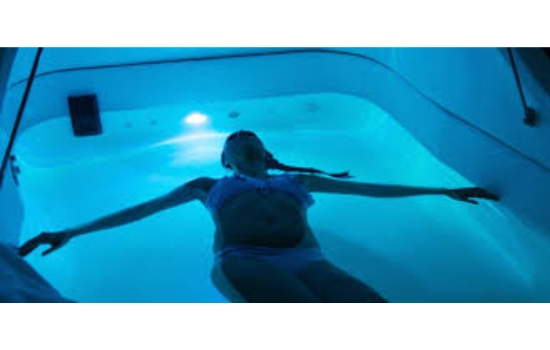
Flotation-restricted environmental stimulation therapy (REST) has emerged as a popular application of sensory deprivation principles. Inside these specialized tanks, users float in body-temperature water saturated with Epsom salt, eliminating gravitational feedback and minimizing sensory input.
Research published in neuroscience journals demonstrates that float tank sessions produce measurable improvements in various performance metrics:
- Enhanced athletic precision and technique refinement
- Improved musical performance and pitch discrimination
- Accelerated skill acquisition in complex motor tasks
- Reduced performance anxiety and pre-competition stress
- Faster recovery from training-induced fatigue
Professional sports teams now incorporate float therapy into training regimens, recognizing that mental preparation occurs optimally when the nervous system isn’t processing overwhelming sensory data.
🎯 Cognitive Benefits Beyond Performance
The advantages of sensory deprivation extend well beyond athletic or artistic performance. Cognitive neuroscience reveals that strategic isolation enhances multiple aspects of mental functioning, from creative problem-solving to emotional regulation.
Creativity Amplification
Sensory deprivation creates ideal conditions for divergent thinking—the cognitive process underlying creativity and innovation. When your brain isn’t occupied processing external stimuli, it shifts toward internally-generated thought patterns and novel associations.
Studies tracking creative output before and after sensory deprivation sessions show significant improvements in originality scores, problem-solving approaches, and conceptual flexibility. This effect appears strongest when deprivation lasts between 45 minutes and two hours, suggesting an optimal window for creative enhancement.
Writers, designers, and entrepreneurs increasingly use deprivation practices to break through creative blocks. The absence of external input forces the brain to generate internal content, often producing unexpected insights and innovative solutions.
Enhanced Learning and Memory Consolidation
Memory formation and consolidation occur most effectively when the brain isn’t simultaneously processing competing sensory information. Sensory deprivation provides a clean slate for memory encoding, allowing recently acquired information to integrate into long-term storage more efficiently.
Educational researchers have explored sensory reduction techniques for accelerated learning. Students who practiced new material in quiet, darkened environments demonstrated superior retention compared to those studying in typical sensory-rich settings. The effect appears particularly pronounced for complex conceptual material requiring deep processing.
🔬 The Science of Neural Reorganization
Understanding how sensory deprivation triggers neural change requires examining the cellular and molecular processes that underpin brain plasticity. Recent advances in neuroscience have illuminated the specific mechanisms through which isolation reshapes neural architecture.
Synaptic Pruning and Strengthening
During sensory deprivation, your brain engages in selective synaptic modification—strengthening relevant connections while eliminating inefficient pathways. This pruning process, guided by neural activity patterns, optimizes information processing and cognitive efficiency.
Research using two-photon microscopy reveals that sensory deprivation accelerates dendritic spine turnover, the structural basis for learning and memory. New spines form rapidly during deprivation periods, while weak or unused connections disappear, resulting in a more refined neural network.
Gray Matter Changes
Extended sensory deprivation protocols produce detectable changes in gray matter density. Brain imaging studies show increased cortical thickness in regions associated with attention, interoception, and sensory processing—changes that persist long after the deprivation period ends.
These structural modifications explain why regular practitioners of sensory deprivation often report sustained improvements in focus, self-awareness, and stress management. The brain literally rebuilds itself in response to altered input patterns.
🧘 Practical Applications for Mental Health
Beyond performance enhancement, sensory deprivation offers therapeutic benefits for various psychological conditions. Clinical research demonstrates efficacy in treating anxiety disorders, post-traumatic stress disorder (PTSD), and chronic stress conditions.
Anxiety Reduction Mechanisms
Sensory deprivation interrupts the anxiety cycle by removing environmental triggers and reducing physiological arousal. Inside a float tank or darkened meditation space, your nervous system shifts from sympathetic (fight-or-flight) to parasympathetic (rest-and-digest) dominance.
Clinical trials show that regular sensory deprivation sessions produce lasting reductions in anxiety symptoms, with effects comparable to pharmacological interventions but without side effects. The practice appears to reset stress response thresholds, making practitioners more resilient to everyday stressors.
Pain Management Through Neural Modulation
Chronic pain sufferers often find relief through sensory deprivation practices. The mechanism involves altered pain perception pathways and reduced inflammation signaling. When sensory input diminishes, the brain reallocates processing resources, often reducing pain signal amplification.
Studies with fibromyalgia patients demonstrate that regular float therapy sessions significantly reduce pain intensity and improve quality of life. The weightless environment eliminates gravitational stress on joints and muscles, while sensory isolation allows the nervous system to recalibrate pain processing.
📊 Comparing Sensory Deprivation Methods
| Method | Duration | Primary Benefits | Accessibility |
|---|---|---|---|
| Float Tanks | 45-90 minutes | Deep relaxation, pain relief, creativity | Moderate (commercial facilities) |
| Dark Room Retreats | 3-14 days | Profound neural reorganization, spiritual insights | Low (specialized centers) |
| Blindfold Practice | 2-8 hours | Enhanced non-visual senses, focus improvement | High (home practice) |
| Meditation Isolation | 30-120 minutes | Attention training, stress reduction | High (home practice) |
| Anechoic Chambers | 15-60 minutes | Auditory system reset, tinnitus relief | Very Low (research facilities) |
🚀 Optimizing Your Sensory Deprivation Practice
Maximizing the benefits of sensory deprivation requires strategic implementation. Random or excessive deprivation can produce diminishing returns or even adverse effects. Understanding optimal protocols ensures positive outcomes.
Timing and Frequency Guidelines
Research suggests that sensory deprivation sessions between 60 and 90 minutes produce optimal neural changes without triggering negative psychological responses. Beginners should start with shorter sessions—around 30 to 45 minutes—gradually extending duration as comfort increases.
Frequency matters significantly. Weekly sessions provide consistent neural stimulation for ongoing plasticity without overtaxing adaptive systems. Elite performers often increase frequency during intensive training phases, using daily sessions for accelerated skill acquisition.
Preparation and Integration
Effective sensory deprivation extends beyond the isolation period itself. Proper preparation and post-session integration amplify benefits and ensure sustainable practice.
Before sessions, minimize caffeine and stimulants that might interfere with relaxation. Set clear intentions—whether for creative insight, skill refinement, or stress relief—to guide your brain’s focus during deprivation.
After sessions, allow transition time before returning to high-stimulation environments. Journal insights, practice learned skills, or simply rest, allowing neural consolidation to proceed without interference.
🌟 Advanced Techniques for Neural Enhancement
Experienced practitioners combine sensory deprivation with complementary practices to amplify neural benefits. These advanced techniques leverage synergistic effects between different modalities.
Deprivation-Enhanced Visualization
Combining sensory deprivation with structured visualization produces exceptionally powerful results. Athletes use this approach to perfect technique, imagining complex movements with extraordinary detail while floating in isolation tanks.
The absence of competing sensory input makes internal imagery more vivid and controllable. Brain imaging shows that neural activation patterns during deprivation-based visualization closely mirror those during actual physical performance—suggesting genuine skill transfer.
Breathwork Integration
Strategic breathing techniques during sensory deprivation accelerate entry into altered states and deepen neural changes. Controlled breathing patterns influence brain wave activity, oxygen delivery, and carbon dioxide levels—all factors affecting neuroplasticity.
Practitioners report that combining specific breathing rhythms with sensory isolation produces experiences ranging from enhanced clarity to profound mystical states. These experiences often coincide with measurable shifts in brain connectivity patterns.
💡 Future Directions in Deprivation Research
Neuroscience continues uncovering new applications and mechanisms for sensory deprivation. Emerging research explores personalized deprivation protocols based on individual brain characteristics, genetic factors, and specific performance goals.
Virtual reality technology paradoxically enables new forms of controlled sensory deprivation. By replacing natural sensory input with minimal, carefully designed digital environments, researchers can precisely manipulate specific sensory channels while monitoring neural responses in real-time.
Pharmaceutical interventions that enhance deprivation-induced neuroplasticity represent another frontier. Compounds that boost BDNF production or facilitate synaptic modification may amplify the neural benefits of sensory isolation, accelerating learning and adaptation.
🎓 Implementing Sensory Deprivation Safely
While generally safe, sensory deprivation requires appropriate precautions, particularly for individuals with certain psychological conditions or sensory sensitivities. Understanding contraindications and best practices ensures positive experiences.
Who Should Exercise Caution
Individuals with active psychosis, severe anxiety disorders, or claustrophobia should consult mental health professionals before attempting sensory deprivation. While many people with these conditions eventually benefit from controlled isolation, initial sessions require professional guidance.
People with epilepsy should note that altered states induced by sensory deprivation might influence seizure thresholds. Medical consultation ensures safe participation.
Building Tolerance Gradually
Neural adaptation to sensory deprivation follows predictable patterns. Initial sessions often feel uncomfortable as your brain adjusts to reduced input. This discomfort typically diminishes within three to five sessions as neural systems recalibrate.
Progressive exposure—starting with partial deprivation before advancing to complete isolation—helps build tolerance and confidence. Many practitioners begin with simple eye masks and earplugs before graduating to float tanks or extended dark retreats.
🔑 Unlocking Your Neural Potential
Sensory deprivation represents one of the most powerful yet underutilized tools for neural enhancement and performance optimization. By strategically removing external stimuli, you create conditions for profound brain changes—improvements in learning capacity, creative output, emotional regulation, and cognitive performance.
The scientific evidence supporting sensory deprivation continues growing, revealing increasingly sophisticated mechanisms through which isolation reshapes neural architecture. From synaptic modification to neurochemical shifts, these changes explain the remarkable benefits reported by practitioners across disciplines.
Whether you’re an athlete seeking performance edges, a creative professional hunting breakthrough insights, or simply someone interested in mental optimization, sensory deprivation offers accessible pathways to enhanced brain function. The key lies in consistent, intentional practice guided by emerging neuroscientific understanding.
Your brain possesses extraordinary plasticity—the capacity to reorganize, adapt, and improve throughout life. Sensory deprivation provides the environmental conditions that unleash this potential, triggering neural changes that elevate every aspect of cognitive and physical performance.
Start small, remain consistent, and pay attention to your individual responses. The neural changes initiated during those quiet moments of isolation extend far beyond the deprivation period itself, reshaping how your brain processes information, generates ideas, and navigates the world.
