
Your brain is not a fixed machine—it’s a dynamic, adaptable organ capable of remarkable transformation throughout your entire life. This incredible ability is called neuroplasticity.

For decades, scientists believed that brain development stopped in early adulthood, leaving us with a rigid neural structure for the rest of our lives. Today, we know this couldn’t be further from the truth. Neuroplasticity reveals that our brains continuously reorganize themselves, forming new neural connections in response to learning, experience, and even injury. This revolutionary understanding has profound implications for how we approach education, skill development, cognitive health, and personal transformation.
Whether you’re a student struggling with challenging subjects, a professional looking to master new skills, or someone concerned about maintaining cognitive function as you age, understanding and leveraging neuroplasticity can fundamentally change your learning trajectory and mental performance.
🧠 What Exactly Is Neuroplasticity?
Neuroplasticity, sometimes called brain plasticity or neural plasticity, refers to the brain’s ability to modify, change, and adapt both structure and function throughout life in response to experience. This process involves several mechanisms, including the creation of new neurons (neurogenesis), the formation of new synaptic connections, and the strengthening or weakening of existing pathways.
Think of your brain as a bustling city with millions of roads connecting different neighborhoods. When you learn something new, you’re essentially building new roads or widening existing ones to make travel between areas more efficient. The more you travel a particular route, the wider and more established that road becomes. Conversely, roads that aren’t used gradually deteriorate and may eventually disappear.
This biological flexibility operates at multiple levels—from individual molecules to entire brain regions—and continues throughout your lifetime, though the rate and type of plasticity change with age. Understanding this fundamental principle empowers you to take active control of your cognitive development rather than accepting a predetermined mental fate.
The Science Behind Your Brain’s Remarkable Adaptability
The discovery of neuroplasticity fundamentally challenged neuroscientific dogma. Research pioneers like Michael Merzenich and other neuroscientists demonstrated through rigorous experimentation that adult brains retain significant capacity for change. Their work revealed several key mechanisms through which plasticity operates.
Synaptic plasticity represents the most fundamental form of neural change. When you repeatedly activate a connection between two neurons, that connection strengthens—a principle neuroscientists summarize as “neurons that fire together, wire together.” This Hebbian learning underlies skill acquisition, memory formation, and habit development.
Structural plasticity goes deeper, involving physical changes in brain anatomy. Learning activities can increase gray matter density in relevant brain regions, expand dendritic branches, and even generate new neurons in specific areas like the hippocampus, a structure critical for memory formation.
Functional plasticity allows brain regions to shift their functions, particularly after injury. Stroke survivors who regain lost abilities exemplify this process, as healthy brain areas sometimes assume functions previously performed by damaged regions.
💡 Practical Strategies to Enhance Your Brain’s Plasticity
Understanding neuroplasticity’s theoretical foundation is valuable, but applying this knowledge through concrete practices delivers real transformation. These evidence-based strategies can help you optimize your brain’s adaptive capabilities.
Embrace Continuous Learning and Novel Experiences
Your brain thrives on novelty and challenge. Learning new skills—particularly those that combine physical coordination, cognitive demands, and emotional engagement—creates rich environments for neural growth. Consider learning a musical instrument, studying a foreign language, or mastering a complex dance form. These activities engage multiple brain systems simultaneously, creating extensive neural remodeling.
The key is pushing beyond your comfort zone. When activities become automatic, they provide diminishing returns for neuroplasticity. Constantly introduce variation and increased difficulty to maintain the cognitive challenge that drives brain adaptation.
Physical Exercise: Movement for Your Mind
Exercise stands among the most powerful neuroplasticity enhancers available. Aerobic activity increases brain-derived neurotrophic factor (BDNF), a protein that supports neuron survival and encourages growth of new neurons and synapses. Regular physical activity particularly benefits the hippocampus, improving memory and learning capacity.
Research suggests that even moderate exercise—like brisk walking for 30 minutes several times weekly—produces measurable cognitive benefits. More intense cardiovascular training may amplify these effects, while activities combining physical and cognitive demands, such as dance or martial arts, offer additional advantages.
Quality Sleep: Your Brain’s Renovation Time
Sleep represents a critical period for consolidating learning and facilitating neuroplastic changes. During sleep, particularly during deep and REM stages, your brain strengthens important neural connections while pruning less relevant ones. This process transforms temporary memories into lasting knowledge and skills.
Prioritizing 7-9 hours of quality sleep nightly isn’t merely about feeling rested—it’s essential for maximizing the neuroplastic benefits of your daytime learning activities. Sleep deprivation, conversely, impairs both learning capacity and the brain’s ability to undergo adaptive changes.
Mindfulness and Meditation Practices
Meditation and mindfulness training produce measurable structural brain changes. Regular practitioners show increased gray matter density in regions associated with attention, emotional regulation, and self-awareness. Even brief daily meditation practices—as little as 10-15 minutes—can yield benefits over time.
These practices essentially train your attention like a muscle, strengthening neural circuits involved in focus and awareness while reducing activity in the default mode network associated with mind-wandering and rumination.
🎯 Optimizing Learning Through Neuroplastic Principles
Understanding how neuroplasticity works allows you to structure learning activities for maximum effectiveness. These principles align with how your brain naturally changes in response to experience.
Spaced Repetition and Retrieval Practice
Rather than cramming information in marathon sessions, distribute learning over time with gradually increasing intervals between review sessions. This spaced repetition approach aligns with how synaptic connections strengthen—repeated activation with rest periods in between produces more durable changes than constant, massed practice.
Combine this with active retrieval practice. Testing yourself on material—even before you’ve fully learned it—strengthens neural pathways more effectively than passive review. The effort involved in recalling information from memory triggers deeper processing and more robust neuroplastic changes.
Interleaved Practice for Deeper Understanding
Rather than practicing one skill or studying one topic exclusively before moving to another (blocked practice), mix different but related topics or skills within single practice sessions. This interleaved approach initially feels more challenging and may seem to slow progress, but it produces superior long-term retention and transfer of learning.
Interleaving forces your brain to continuously discriminate between different concepts or skills, strengthening the neural networks that encode what makes each unique. This deeper processing creates more flexible, adaptable knowledge structures.
The Power of Mistakes and Productive Struggle
Errors aren’t just learning opportunities—they’re neuroplastic catalysts. When you struggle with challenging material or make mistakes, your brain pays heightened attention, which amplifies subsequent learning. The key is maintaining difficulty within an optimal range: challenging enough to require effort but not so overwhelming that it produces helplessness.
Embrace productive struggle rather than seeking the easiest path. Those moments when you’re unsure, experimenting, and occasionally failing represent prime opportunities for neural growth. Creating a mindset that values effort and learning over immediate performance helps you capitalize on these crucial experiences.
Nutrition and Lifestyle Factors That Support Brain Plasticity
Your brain’s physical structure depends on the nutrients you provide through diet and the overall health of your body’s systems. Several dietary and lifestyle factors significantly influence neuroplastic capacity.
Brain-Boosting Nutrients
Omega-3 fatty acids, particularly DHA, provide essential building blocks for neuronal membranes and support synaptic plasticity. These are abundant in fatty fish, walnuts, and flaxseeds. Antioxidant-rich foods like berries combat oxidative stress that can impair neural function. The Mediterranean diet, with its emphasis on vegetables, fruits, whole grains, fish, and healthy fats, consistently shows associations with better cognitive function and brain health.
Adequate protein intake ensures availability of amino acids necessary for neurotransmitter synthesis. B vitamins, particularly B6, B12, and folate, support various aspects of brain metabolism and cognitive function. Rather than focusing on isolated supplements, emphasize a varied, nutrient-dense diet that provides comprehensive nutritional support.
Managing Stress for Optimal Brain Function
While acute stress can temporarily enhance certain cognitive functions, chronic stress impairs neuroplasticity and can actually damage brain structures, particularly the hippocampus. Elevated cortisol levels over extended periods interfere with learning, memory, and the generation of new neurons.
Implementing effective stress management strategies—whether through exercise, meditation, social connection, time in nature, or therapeutic interventions—protects your brain’s adaptive capacity. This isn’t about eliminating all stress but rather developing resilience and recovery practices that prevent prolonged activation of stress responses.
🚀 Age Is Just a Number: Neuroplasticity Across the Lifespan
While neuroplasticity is most pronounced during childhood development, your brain retains significant adaptive capacity throughout adulthood and into old age. Understanding how plasticity changes across the lifespan helps set realistic expectations and optimize approaches for different life stages.
Childhood and Adolescence: Windows of Heightened Plasticity
Young brains exhibit extraordinary plasticity, with critical periods for certain types of learning like language acquisition and sensory development. However, this heightened plasticity comes with a tradeoff—young brains are also more vulnerable to negative influences and adversity.
Adolescence represents a particularly important period, with significant remodeling of prefrontal regions involved in executive function, decision-making, and impulse control. This creates both opportunities and challenges, as teenage brains are primed for learning but also susceptible to risk-taking and peer influence.
Adult Neuroplasticity: Sustained Capacity for Growth
Adult brains show different patterns of plasticity compared to younger brains, but substantial capacity for change persists. Adults may require more repetition and practice to achieve the same learning outcomes as children for certain skills, but they bring advantages including greater metacognitive awareness, accumulated knowledge, and often superior motivation.
The adult brain’s plasticity allows for career changes, mastery of new technologies, recovery from injury, and continuous personal development. The key is maintaining the cognitive stimulation, physical activity, and healthy habits that support ongoing neuroplastic processes.
Cognitive Reserve and Healthy Aging
Engaging in cognitively stimulating activities throughout life builds cognitive reserve—a resilience factor that helps maintain function despite age-related brain changes or pathology. Individuals with greater cognitive reserve, often associated with higher education, complex occupations, and continued learning, show better cognitive outcomes in later life.
This concept suggests that investments in brain health during midlife and beyond pay significant dividends. Continued learning, social engagement, physical activity, and cognitive challenges help maintain neuroplasticity and protect against cognitive decline.
Breaking Bad Habits and Building New Ones Through Neuroplasticity
Habits represent deeply ingrained neural pathways—essentially well-worn roads in the brain city metaphor. Breaking unwanted habits and establishing beneficial ones leverages neuroplastic principles to reshape these neural patterns.
Understanding that habits exist as physical neural structures helps explain why they’re difficult to change. You’re not just deciding to act differently; you’re working to physically rewire your brain. This requires consistent effort over extended periods, but neuroplasticity ensures that change is possible.
The most effective approach combines weakening old pathways through disuse while simultaneously strengthening alternative pathways through repeated practice. Rather than simply trying to stop a behavior, replace it with a new response to the same trigger. This gives your brain a constructive alternative pathway to strengthen.
Environmental design plays a crucial role. By modifying your environment to reduce cues for unwanted behaviors while increasing prompts for desired actions, you make the neuroplastic rewiring process easier. Your brain responds to the patterns it encounters, so creating surroundings that support your goals facilitates the neural changes you’re trying to make.
🌟 Your Personalized Neuroplasticity Action Plan
Transforming understanding into results requires a systematic approach. Here’s how to create your personalized plan for leveraging neuroplasticity to enhance learning and brain function.
Start by identifying specific learning goals or cognitive functions you want to improve. Vague aspirations like “be smarter” don’t provide sufficient direction. Instead, target concrete outcomes: master conversational Spanish, improve working memory, develop programming skills, or enhance focus and attention.
Design a practice schedule that incorporates neuroplastic principles: regular engagement with appropriate challenge levels, spaced repetition, varied practice contexts, and adequate rest for consolidation. Consistency matters more than intensity—daily 20-minute practice sessions typically outperform weekly marathon sessions.
Monitor your progress and adjust based on results. Neuroplasticity ensures that sustained, deliberate practice produces measurable improvements. If you’re not seeing progress after several weeks, the difficulty level may be inappropriate, the practice approach may need adjustment, or other factors like sleep or stress may be interfering.
Integrate supporting lifestyle factors: prioritize sleep, engage in regular physical activity, maintain a brain-healthy diet, manage stress effectively, and cultivate social connections. These elements create the biological foundation that enables robust neuroplastic changes.
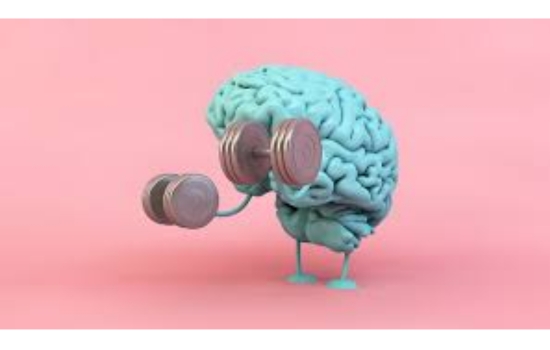
The Future Is Plastic: Embracing Lifelong Brain Development
Neuroplasticity fundamentally reframes human potential. You’re not stuck with the brain you have today—through intentional practice and healthy lifestyle choices, you can literally reshape your neural architecture and expand your capabilities. This knowledge transforms challenges from fixed limitations into opportunities for growth.
The most successful learners and high performers across domains share a common trait: they approach their abilities as malleable rather than fixed. This growth mindset, aligned with neuroplastic reality, creates a virtuous cycle where challenges become invitations to develop rather than threats to avoid.
Your learning journey doesn’t have an endpoint. Each new skill mastered, each challenge overcome, and each productive struggle engaged represents not just achievement but also physical transformation of your brain. The neural changes happening right now as you read and process this information exemplify the dynamic, responsive nature of your remarkable brain.
By understanding and actively leveraging neuroplasticity, you unlock potential that remains dormant in those who accept cognitive stagnation as inevitable. The power to transform your learning experience and boost brain function doesn’t reside in some external tool or technique—it’s built into the very structure of your adaptable, plastic brain. The question isn’t whether you can change and grow; it’s whether you’ll provide your brain with the experiences, challenges, and support it needs to realize that potential.
Start today. Choose one new skill to develop, one cognitive function to enhance, or one habit to reshape. Apply the principles of neuroplasticity consistently, and watch as your brain—that three-pound universe between your ears—transforms itself in response to your intentions and efforts. Your brain’s plasticity is waiting to be unlocked. 🧠✨
