
Your brain is more adaptable than you ever imagined. Modern neuroscience reveals that digital tools can accelerate mental transformation in ways previously thought impossible.

The concept of neuroplasticity—the brain’s ability to reorganize itself by forming new neural connections—has revolutionized our understanding of human potential. For decades, scientists believed the adult brain was relatively fixed, but groundbreaking research has shattered this myth. Today, we stand at the intersection of neuroscience and technology, where innovative digital platforms offer unprecedented opportunities to reshape our cognitive architecture and unlock capabilities we never knew we had.
The transformation of your mind isn’t just about positive thinking or willpower anymore. It’s about strategically leveraging scientifically-backed digital interventions that target specific neural pathways, creating lasting changes in how you think, feel, and behave. Whether you’re looking to overcome limiting beliefs, enhance focus, manage anxiety, or develop new skills faster, the digital revolution in brain training has created accessible solutions that fit into your daily routine.
🧠 Understanding Brain Rewiring: The Science Behind Mental Transformation
Neuroplasticity operates on a fundamental principle: neurons that fire together, wire together. Every thought, emotion, and behavior strengthens certain neural pathways while allowing unused connections to weaken. This process continues throughout your entire life, meaning your brain remains malleable and capable of profound change regardless of your age.
Traditional approaches to personal development often overlooked this biological reality. Affirmations and motivation alone rarely produce lasting change because they don’t consistently engage the repetitive, focused practice necessary to rewire neural circuits. Digital tools bridge this gap by providing structured, repeatable interventions that specifically target the mechanisms of neuroplastic change.
The prefrontal cortex, responsible for executive functions like decision-making and emotional regulation, shows remarkable responsiveness to targeted interventions. Meanwhile, the amygdala—your brain’s fear center—can be calmed through consistent practice with the right techniques. Digital platforms excel at delivering these interventions with the frequency and precision required for measurable neurological change.
Breaking Free from Mental Patterns That Hold You Back 🔓
Most people operate on autopilot, governed by unconscious patterns established years ago. These neural highways were created by repeated experiences, often during childhood or stressful periods when your brain was particularly impressionable. The good news? Those same mechanisms that created limiting patterns can be harnessed to build empowering ones.
Cognitive behavioral therapy has long recognized that changing thought patterns changes brain structure. Digital applications now make CBT techniques accessible 24/7, allowing you to interrupt negative thought cycles the moment they occur. This immediate intervention is crucial because it catches patterns before they fully activate, making them easier to redirect.
Self-sabotaging behaviors stem from deeply ingrained neural circuits that associate certain actions with safety or reward, even when they’re ultimately harmful. Digital tracking tools help you identify these patterns by revealing connections you might not consciously recognize. When you can see that your afternoon energy crashes correlate with morning thought patterns, you gain the awareness needed to intervene effectively.
The Power of Consistent Micro-Interventions
Transformation doesn’t require dramatic overhauls. Research consistently shows that small, repeated actions create more sustainable change than sporadic intense efforts. Digital tools excel at delivering micro-interventions—brief exercises or reminders that take just minutes but accumulate powerful effects over time.
A three-minute breathing exercise performed consistently creates measurable changes in stress response systems within weeks. Brief daily meditation sessions increase gray matter density in brain regions associated with learning and memory. The key isn’t duration but consistency, and digital platforms use notifications, gamification, and progress tracking to maintain that consistency.
Digital Tools Revolutionizing Brain Training and Mental Fitness 💪
The landscape of brain training applications has evolved dramatically from simple memory games to sophisticated platforms incorporating multiple neuroscience disciplines. Modern tools integrate cognitive behavioral techniques, mindfulness practices, neurofeedback principles, and habit formation science into comprehensive systems designed for measurable results.
Meditation and mindfulness apps have become increasingly sophisticated, offering guided sessions tailored to specific goals like reducing anxiety, improving focus, or enhancing emotional regulation. These aren’t just relaxation tools—they’re neuroscience-based interventions that systematically strengthen attention networks and emotional regulation circuits.
Cognitive training platforms target specific mental capacities like working memory, processing speed, and cognitive flexibility. While early brain training apps faced skepticism, newer generation platforms incorporate adaptive algorithms that adjust difficulty to maintain optimal challenge levels—the sweet spot where neuroplastic change occurs most readily.
Biofeedback applications represent another frontier, using your smartphone’s sensors or connected wearables to provide real-time data about physiological states. Heart rate variability training, for instance, helps you develop better stress resilience by teaching you to consciously influence autonomic nervous system responses previously thought to be involuntary.
Hypnosis and Subconscious Reprogramming Apps
Hypnotherapy has transitioned from exclusive practitioner sessions to accessible digital formats. These applications deliver guided hypnosis sessions designed to access subconscious patterns and install new mental programming. While skeptics dismissed hypnosis for years, neuroimaging studies reveal it produces distinct brain states characterized by heightened suggestibility and focused attention—ideal conditions for rewiring.
Digital hypnosis platforms offer programs targeting everything from confidence and motivation to phobia reduction and habit change. The convenience factor cannot be overstated—you can access powerful subconscious programming tools while commuting, before sleep, or during lunch breaks, making consistent practice far more achievable than scheduling regular practitioner appointments.
Creating Your Personalized Brain Transformation Protocol 🎯
Effective brain rewiring requires more than downloading apps randomly. A strategic approach involves assessing your current patterns, identifying specific goals, and selecting tools that target those objectives with proven mechanisms. This personalized protocol becomes your roadmap for neurological transformation.
Begin with honest self-assessment. What mental patterns consistently undermine your goals? Where do you experience recurring emotional reactions that don’t serve you? Which cognitive capacities would most dramatically improve your quality of life if enhanced? These questions reveal your priority targets for intervention.
Next, match tools to targets. If anxiety disrupts your daily functioning, prioritize applications teaching physiological regulation and cognitive reframing. If procrastination sabotages your ambitions, focus on tools addressing motivation, habit formation, and executive function. If limiting beliefs about your capabilities hold you back, emphasize subconscious reprogramming approaches.
Building a Sustainable Daily Practice
Transformation requires consistency, which means your protocol must fit realistically into your life. Rather than committing to hour-long sessions you’ll abandon after a week, design a minimal viable practice—the smallest commitment you’ll maintain even on difficult days.
Consider this framework: morning priming (5-10 minutes to set mental state for the day), midday reset (3-5 minutes to interrupt stress accumulation), evening integration (10-15 minutes to process the day and prepare for restorative sleep). This structure targets key neuroplastic windows while remaining achievable for even the busiest individuals.
Stack new digital practices onto existing habits. Use your morning coffee ritual as a trigger for your meditation app. Transform your commute into brain training time. Anchor your evening wind-down routine to your hypnosis or relaxation program. These habit stacks leverage existing neural pathways to establish new ones more efficiently.
Measuring Progress: Tracking Your Mental Transformation ✨
Subjective improvement often goes unrecognized because change happens gradually. Digital tools provide quantifiable metrics that reveal progress you might otherwise miss. Most sophisticated applications include analytics showing completion rates, consistency patterns, and even performance improvements on cognitive assessments.
Beyond app-generated metrics, establish personal indicators tied to your specific goals. If you’re working on emotional regulation, track the frequency and intensity of reactive episodes. If enhancing focus, monitor how long you maintain concentration on challenging tasks. If building confidence, note situations that previously triggered self-doubt but no longer do.
Neuroplastic change typically follows a timeline: initial enthusiasm (weeks 1-2), plateau phase (weeks 3-6), breakthrough period (weeks 6-12), integration phase (months 3-6). Understanding this progression prevents premature abandonment during plateau phases when progress isn’t obvious but critical consolidation is occurring beneath conscious awareness.
Advanced Strategies: Accelerating Your Brain Rewiring Journey 🚀
Once you’ve established foundational practices, advanced techniques can accelerate transformation. Combining modalities creates synergistic effects—pairing cognitive training with mindfulness practice, for instance, enhances both more than either alone. This cross-training approach engages multiple neural systems simultaneously, creating more comprehensive rewiring.
State-specific learning represents another powerful principle: information and patterns encoded during particular brain states become most accessible when you return to that state. Practice new thought patterns during the relaxed-yet-focused states induced by meditation or hypnosis apps, and those patterns activate more readily when you naturally enter similar states during daily life.
Progressive challenge ensures continued growth. As your brain adapts to current practices, they become less effective at driving further change. Regularly increase difficulty, explore new techniques, or target different capacities to maintain neuroplastic momentum. Most quality digital platforms include progression systems that automatically adjust challenge levels based on your performance.
Integrating Sleep for Maximum Neuroplasticity
Sleep isn’t just recovery time—it’s when your brain consolidates learning and reorganizes neural connections. Digital tools can optimize this critical period through sleep preparation protocols, binaural beats designed to enhance specific sleep stages, and hypnosis sessions targeting sleep quality or overnight subconscious processing.
The period just before sleep represents a particularly powerful window for installing new mental programming. Your brain naturally enters hypnagogic states—the twilight between waking and sleeping—characterized by heightened suggestibility and reduced critical filtering. Evening hypnosis or visualization sessions leverage this window to imprint new patterns directly into your subconscious architecture.
Overcoming Common Obstacles in Brain Transformation 💡
Even with the best tools, challenges arise. Understanding common obstacles prepares you to navigate them successfully rather than interpreting them as personal failure or evidence that change isn’t possible for you.
Initial resistance often intensifies before improvement. Your existing neural patterns essentially fight for survival, generating increased anxiety, self-doubt, or motivation crashes when threatened by new patterns. This homeostatic resistance is actually evidence that your intervention is working—your brain wouldn’t fight change that wasn’t threatening established patterns.
Inconsistency represents the most common derailing factor. Life disruptions, motivation fluctuations, or simple forgetfulness interrupt practice. Digital tools combat this through reminders, streak tracking, and micro-commitment options. When you miss a planned session, immediately complete a minimal version—even two minutes maintains neural momentum better than skipping entirely.
Impatience for results causes many to abandon effective practices prematurely. Remember that neural rewiring operates on biological timelines, not wishes. The patterns you’re changing took years to establish; expecting transformation in days sets unrealistic expectations. Trust the process, maintain consistency, and measure progress in months rather than days.
The Future of Brain Rewiring Technology and Your Role In It 🌟
Emerging technologies promise even more powerful transformation tools. Virtual reality platforms create immersive environments for exposure therapy and skills practice. Artificial intelligence personalizes interventions based on your unique neural responses and progress patterns. Wearable neurofeedback devices provide real-time coaching on brain states, allowing unprecedented conscious control over mental processes.
Transcranial stimulation technologies, while currently specialized, are becoming more accessible. These devices use electrical or magnetic fields to influence neural activity, potentially accelerating learning and pattern change when combined with digital training protocols. Early research shows remarkable potential for enhancing neuroplasticity beyond what mental practice alone achieves.
Yet technology remains a tool, not a magic solution. Your active engagement determines results. The most sophisticated application produces nothing without your consistent practice, honest self-reflection, and willingness to sit with discomfort as old patterns dissolve and new ones form. Technology amplifies your commitment but cannot replace it.
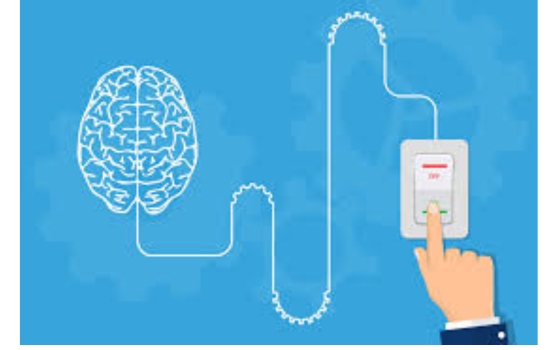
Your Brain’s Unlimited Potential Awaits Activation 🎆
The convergence of neuroscience knowledge and digital accessibility has created an unprecedented opportunity. For the first time in human history, scientifically-validated brain training isn’t limited to those who can afford specialized practitioners or programs. Powerful transformation tools literally sit in your pocket, waiting for you to decide that your current mental patterns don’t define your future.
Every moment presents a choice: continue operating on autopilot, governed by neural pathways established when you knew far less about yourself and the world, or intentionally craft new patterns aligned with who you’re becoming. Digital tools make the second option realistic rather than aspirational, providing structure, guidance, and accountability for the journey.
Your potential isn’t fixed or predetermined. It’s a function of which neural pathways you strengthen through repeated activation. Every time you choose a digital practice over passive scrolling, you’re literally building a different brain. Every session completed adds another thread to new neural networks. Every week of consistency shifts your baseline state toward the patterns you’re cultivating.
The transformation begins with a simple decision: that your mental architecture deserves the same intentional development you might give your physical fitness, professional skills, or financial planning. Your brain is your most valuable asset, generating every experience, emotion, and outcome in your life. Investing even fifteen minutes daily in its intentional rewiring represents perhaps the highest-leverage activity available to you.
Start today. Choose one digital tool aligned with your priority transformation goal. Commit to minimal but consistent practice. Track your progress honestly. Adjust your approach based on results. Within weeks, you’ll notice subtle shifts. Within months, others will comment on changes they observe. Within a year, you’ll look back amazed at how different your mental landscape has become—not through wishful thinking, but through the systematic application of neuroscience-based digital interventions that rewired your brain one session at a time.
