
Your brain holds incredible power—but are you truly using it to its fullest capacity? Cognitive decline doesn’t have to be inevitable, and science now reveals pathways to rejuvenation.

🧠 The Modern Brain Crisis: Why Cognitive Decline Is Accelerating
We’re living in an era of unprecedented information overload, chronic stress, and lifestyle choices that silently erode our mental capabilities. Cognitive decline, once considered an unavoidable consequence of aging, is now affecting people at younger ages than ever before. The World Health Organization estimates that over 55 million people worldwide currently live with dementia, and this number is projected to triple by 2050.
But here’s the remarkable truth: your brain possesses an extraordinary ability called neuroplasticity—the capacity to reorganize, form new neural connections, and essentially rewire itself throughout your entire life. This discovery has revolutionized our understanding of cognitive health and opened doors to interventions that were previously thought impossible.
The question isn’t whether cognitive decline can be reversed or prevented—it’s whether you’re willing to take the necessary steps to unlock your brain’s dormant potential. Recent neuroscience research has identified specific, actionable strategies that can dramatically improve memory, focus, processing speed, and overall cognitive function, regardless of your current age.
Understanding the Root Causes Behind Cognitive Deterioration
Before we can reverse cognitive decline, we must understand what drives it. The brain doesn’t simply “wear out” with age—specific factors accelerate its deterioration while others promote its vitality and growth.
The Inflammation Connection 🔥
Chronic inflammation in the brain, known as neuroinflammation, stands as one of the primary culprits behind cognitive decline. This inflammation damages neurons, disrupts communication between brain cells, and contributes to the formation of harmful proteins associated with Alzheimer’s disease and other forms of dementia.
Modern diets high in processed foods, sugar, and unhealthy fats fuel this inflammatory fire. Combined with sedentary lifestyles, chronic stress, and environmental toxins, our brains exist in a constant state of low-grade inflammation that gradually erodes cognitive function over time.
The Vascular Factor
Your brain consumes approximately 20% of your body’s oxygen supply despite representing only 2% of your body weight. This massive energy requirement depends entirely on healthy blood flow. When cardiovascular health deteriorates, the brain receives insufficient oxygen and nutrients, leading to cognitive impairment that often manifests years before physical symptoms appear.
Conditions like hypertension, atherosclerosis, and diabetes damage the intricate network of blood vessels supplying your brain, creating a cascade of problems that accelerate mental decline. The good news? Vascular health is largely within your control through lifestyle modifications.
The Neuroplasticity Revolution: Your Brain Can Heal Itself
For decades, scientists believed that brain cells couldn’t regenerate and that cognitive decline was irreversible. This pessimistic view has been completely overturned by discoveries in neuroplasticity and neurogenesis—the brain’s ability to create new neurons even in adulthood.
Studies conducted at institutions like Harvard Medical School and the Max Planck Institute have demonstrated that specific activities and interventions can stimulate the growth of new brain cells, strengthen existing neural pathways, and even increase the size of brain regions associated with memory and learning.
This means that regardless of your current cognitive state, your age, or your genetic predisposition, you have the power to improve your brain function through targeted strategies. The brain responds to the environment you create for it—give it the right conditions, and it will flourish.
Evidence-Based Strategies to Reverse Cognitive Decline
Nutritional Neuroscience: Feeding Your Brain for Optimal Performance 🥗
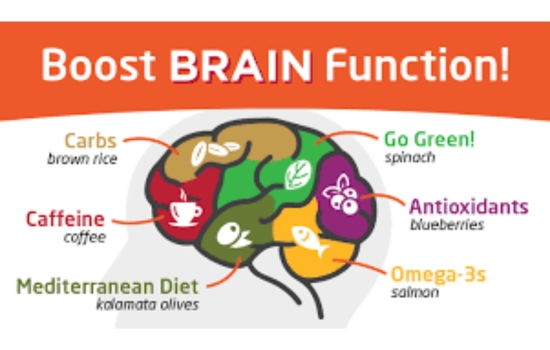
The food you consume directly impacts your brain’s structure and function. Certain nutrients act as powerful neuroprotective agents, while others accelerate cognitive decline. The Mediterranean and MIND diets have shown remarkable results in clinical trials, reducing Alzheimer’s risk by up to 53% in adherent participants.
Key brain-boosting nutrients include:
- Omega-3 fatty acids: Essential for building brain cell membranes and reducing inflammation, found abundantly in fatty fish, walnuts, and flaxseeds
- Antioxidants: Combat oxidative stress that damages brain cells, concentrated in berries, dark chocolate, and colorful vegetables
- B vitamins: Crucial for neurotransmitter production and preventing brain atrophy, especially B6, B12, and folate
- Polyphenols: Plant compounds that enhance neuroplasticity and protect against cognitive decline, found in green tea, olive oil, and turmeric
- Magnesium: Supports synaptic plasticity and protects against excitotoxicity, available in leafy greens, nuts, and seeds
Equally important is avoiding foods that harm cognitive function: excessive sugar creates insulin resistance in the brain, trans fats promote inflammation, and alcohol damages neurons directly. Your dietary choices today literally shape the brain you’ll have tomorrow.
Movement as Medicine: The Exercise-Cognition Connection 💪
Physical exercise ranks among the most powerful interventions for brain health, with effects that rival or exceed pharmaceutical treatments. When you exercise, your brain releases brain-derived neurotrophic factor (BDNF)—a protein that acts like fertilizer for brain cells, promoting their growth, survival, and connectivity.
Research published in Neurology found that individuals who maintained regular exercise routines showed significantly less brain shrinkage over time compared to sedentary counterparts. Even more impressive, exercise has been shown to increase hippocampus volume—the brain region critical for memory—by up to 2% within just one year of regular aerobic activity.
The optimal exercise prescription for cognitive health includes:
- 150 minutes of moderate aerobic activity weekly (brisk walking, cycling, swimming)
- Resistance training twice per week to maintain muscle mass and insulin sensitivity
- Balance and coordination exercises that challenge the brain’s spatial processing
- High-intensity interval training (HIIT) for maximum BDNF production
The key is consistency rather than intensity—regular moderate exercise provides more cognitive benefits than sporadic intense workouts.
Sleep: The Brain’s Essential Reset Button 😴
During sleep, your brain doesn’t rest—it works tirelessly to consolidate memories, clear metabolic waste products, and repair cellular damage. The glymphatic system, discovered only in recent years, activates primarily during sleep to flush out toxic proteins including beta-amyloid, which accumulates in Alzheimer’s disease.
Chronic sleep deprivation doesn’t just make you tired—it literally shrinks your brain. Studies using MRI scans have documented reduced gray matter volume in individuals with persistent sleep problems, particularly in regions governing decision-making, emotional regulation, and memory.
To optimize sleep for cognitive health, implement these evidence-based practices: maintain consistent sleep-wake times, create a cool, dark sleeping environment, eliminate screens two hours before bed, and consider magnesium supplementation if deficient. Aim for seven to nine hours of quality sleep nightly—this isn’t negotiable for brain health.
Cognitive Training: Targeted Mental Exercises That Work 🎯
Just as physical exercise strengthens muscles, mental exercises strengthen neural networks. However, not all “brain training” programs deliver on their promises. The most effective cognitive interventions target multiple domains simultaneously and increase in difficulty as your abilities improve.
Research-backed cognitive training approaches include learning a new language, which creates dense neural networks and has been shown to delay dementia onset by up to five years. Musical instrument training enhances memory, attention, and executive function while increasing gray matter volume in multiple brain regions.
Strategy games like chess engage planning, problem-solving, and working memory. Meditation and mindfulness practices, particularly when practiced consistently for eight weeks or longer, physically alter brain structure, increasing density in regions associated with attention, emotional regulation, and self-awareness.
The critical factor isn’t the specific activity but rather that it challenges you, requires sustained attention, and progressively increases in complexity. Your brain grows in response to novelty and challenge, not repetition of familiar tasks.
The Social Brain: Why Relationships Matter for Cognition 👥
Humans evolved as intensely social creatures, and our brains reflect this evolutionary history. Social isolation and loneliness don’t just feel bad—they accelerate cognitive decline at rates comparable to smoking and obesity. The Harvard Study of Adult Development, spanning over 80 years, identified strong relationships as the single most important factor for long-term health and cognitive preservation.
Social interaction engages multiple cognitive domains simultaneously: language processing, emotional recognition, theory of mind, working memory, and executive function. Regular meaningful social engagement literally exercises your brain in ways that solo activities cannot replicate.
Quality matters more than quantity—a few deep, supportive relationships provide more cognitive benefit than numerous superficial connections. Volunteering, joining clubs based on interests, maintaining family connections, and cultivating friendships all contribute to a robust social network that protects against cognitive decline.
Stress Management: Protecting Your Brain from Cortisol Damage
Chronic stress represents one of the most destructive forces acting on the modern brain. Elevated cortisol levels, sustained over time, literally shrink the hippocampus while enlarging the amygdala—changes that impair memory formation while amplifying fear and anxiety responses.
The solution isn’t eliminating stress entirely—an impossible goal—but rather developing resilience and recovery strategies. Proven stress-management techniques include daily meditation practice, regular exercise, adequate sleep, time in nature, deep breathing exercises, and maintaining strong social support systems.
Particularly effective is the practice of mindfulness-based stress reduction (MBSR), which has been shown in controlled trials to reduce cortisol levels, decrease inflammation, and improve cognitive function even in individuals already experiencing mild cognitive impairment.
Supplementation: Science-Backed Nutrients for Brain Health 💊
While whole foods should form the foundation of brain health nutrition, certain supplements provide concentrated doses of neuroprotective compounds that are difficult to obtain through diet alone. The evidence is strongest for omega-3 fatty acids (EPA and DHA), which reduce brain inflammation and support membrane fluidity. Studies show clear cognitive benefits, particularly for individuals with low baseline intake.
Other well-researched supplements include vitamin D, which acts as a neuroactive steroid hormone and shows correlations with cognitive function; magnesium L-threonate, specifically designed to cross the blood-brain barrier and enhance synaptic density; and curcumin with piperine, which reduces neuroinflammation and may prevent protein aggregation associated with Alzheimer’s.
Importantly, supplementation should be individualized based on testing and professional guidance rather than following generic protocols. Blood work can identify specific deficiencies that, when corrected, may dramatically improve cognitive function.
Creating Your Personalized Brain Optimization Protocol 📋
Understanding these principles is valuable, but implementation determines results. The most effective approach involves gradually introducing evidence-based interventions while monitoring their effects on your cognitive performance and overall wellbeing.
Begin by establishing baselines: assess your current cognitive function, sleep quality, exercise habits, dietary patterns, and stress levels. Then prioritize changes based on your specific weaknesses—someone with poor sleep should address that first, while someone eating a processed-food diet should focus on nutritional improvements.
Implementation should be systematic rather than overwhelming:
| Week | Focus Area | Specific Action |
|---|---|---|
| 1-2 | Sleep Optimization | Establish consistent sleep schedule, eliminate evening screens |
| 3-4 | Nutrition Foundation | Add brain-healthy foods, eliminate processed items |
| 5-6 | Exercise Initiation | Begin 20-minute daily walks, add resistance training |
| 7-8 | Cognitive Challenge | Start language learning or musical instrument practice |
| 9-10 | Stress Management | Implement daily meditation or mindfulness practice |
| 11-12 | Social Connection | Join community group, strengthen existing relationships |
This gradual approach allows each intervention to become habitual before adding the next, creating sustainable lifestyle changes rather than temporary modifications that fade with motivation.
Monitoring Progress and Adapting Your Approach 📊
Cognitive improvement doesn’t occur overnight—neuroplastic changes require weeks to months of consistent practice. However, you can track progress through both subjective measures (energy levels, mental clarity, mood) and objective assessments (memory tests, processing speed evaluations, learning new skills).
Many individuals notice improved sleep quality and energy within the first two weeks of implementation, while measurable cognitive gains typically emerge after 8-12 weeks of consistent practice. Neuroimaging studies show structural brain changes after approximately three months of sustained interventions.
The key is maintaining these practices long-term, as cognitive benefits accumulate over years while cessation allows decline to resume. View brain optimization not as a temporary project but as a permanent lifestyle shift that rewards consistent effort with preserved cognition, vitality, and independence throughout your lifespan.
Your Cognitive Future Starts Today 🚀
The science is unequivocal: cognitive decline is neither inevitable nor irreversible. Your brain possesses remarkable regenerative capabilities that remain active throughout life, waiting only for the right conditions to express their full potential. Every positive choice you make today—each nutritious meal, every exercise session, all quality sleep, each new learning experience—compounds into dramatic long-term benefits for your cognitive health.
The individuals who maintain sharp minds into their eighties, nineties, and beyond aren’t genetically blessed exceptions—they’re people who, often unknowingly, implemented many of these evidence-based principles through their lifestyle choices. Now you have the advantage of understanding exactly what works and why, allowing you to deliberately create the conditions for optimal brain health.
The tragedy isn’t that cognitive decline exists—it’s that millions of people suffer needlessly because they believe the myth that it’s unavoidable. You now know better. The question is whether you’ll apply this knowledge, transforming it from abstract information into concrete action that preserves your most precious asset: your mind.
Your brain’s potential remains largely untapped, regardless of your current age or cognitive state. The strategies outlined here represent your key to unlocking that potential, reversing existing decline, and building cognitive resilience that protects you for decades to come. The only variable that determines whether you experience vibrant cognitive health or progressive decline is the choices you make starting today.
