
Your brain is capable of extraordinary things, yet most of us operate at a fraction of our cognitive capacity. Understanding how to optimize your mental performance can transform every area of your life.

In today’s fast-paced world, the ability to think clearly, focus deeply, and perform at your mental peak isn’t just an advantage—it’s a necessity. Whether you’re a student preparing for exams, a professional climbing the corporate ladder, or an entrepreneur building your dream business, cognitive optimization techniques can help you unlock levels of performance you never thought possible.
The science of cognitive enhancement has evolved dramatically over the past decade. Researchers have identified specific, actionable strategies that anyone can implement to boost memory, sharpen focus, accelerate learning, and maintain mental clarity throughout demanding days. These aren’t quick fixes or empty promises—they’re evidence-based approaches that leverage our understanding of neuroscience, psychology, and human performance.
🧠 Understanding Your Brain’s Operating System
Before diving into optimization techniques, it’s essential to understand how your brain functions. Your cognitive abilities aren’t fixed; they’re remarkably plastic and responsive to the right interventions. Neuroplasticity—the brain’s ability to form new neural connections throughout life—means you can literally rewire your thinking patterns and enhance cognitive performance at any age.
Your brain consumes approximately 20% of your body’s energy despite representing only 2% of your body weight. This massive energy requirement means that cognitive performance is heavily influenced by factors like nutrition, sleep quality, stress levels, and physical activity. When you optimize these foundational elements, you create the ideal environment for peak mental performance.
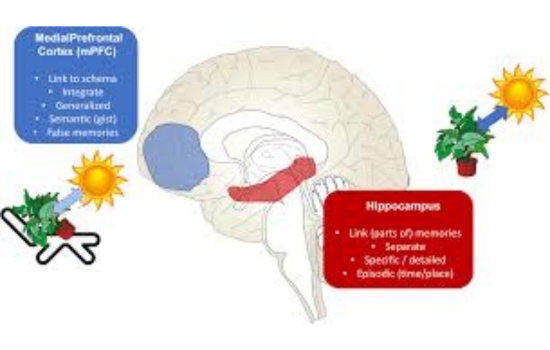
The prefrontal cortex, your brain’s executive control center, manages decision-making, focus, and complex problem-solving. The hippocampus handles memory formation and retrieval. The amygdala processes emotions and stress responses. Understanding these systems helps you target specific techniques to enhance the cognitive functions you need most.
The Foundation: Sleep Architecture and Cognitive Recovery
Sleep isn’t merely rest—it’s when your brain consolidates memories, clears metabolic waste, and prepares for optimal performance. Quality sleep directly impacts attention span, learning capacity, creativity, and emotional regulation. Yet studies show that over 35% of adults consistently get insufficient sleep, fundamentally compromising their cognitive potential.
During deep sleep, your brain moves short-term memories from the hippocampus to long-term storage in the cortex. REM sleep enhances creative problem-solving and emotional processing. Disrupting these sleep stages means losing these critical cognitive benefits, no matter how many hours you spend in bed.
To optimize your sleep for cognitive performance, maintain consistent sleep and wake times even on weekends. Your circadian rhythm thrives on predictability. Create a dark, cool sleeping environment—ideally between 65-68°F (18-20°C). Limit blue light exposure from screens at least 90 minutes before bed, as it suppresses melatonin production and delays sleep onset.
Consider implementing a pre-sleep routine that signals your brain to wind down. This might include light stretching, reading physical books, meditation, or journaling. Avoid caffeine after 2 PM and alcohol before bed—while alcohol may help you fall asleep faster, it significantly disrupts sleep architecture and reduces cognitive recovery.
⚡ Nutrition Strategies for Mental Clarity
Your brain’s performance is directly tied to the fuel you provide it. Certain nutrients have been conclusively shown to enhance cognitive function, while others impair mental performance. Understanding this relationship allows you to make strategic dietary choices that support peak cognitive output.
Omega-3 fatty acids, particularly DHA, are fundamental building blocks of brain tissue. They enhance neural communication, reduce inflammation, and support memory formation. Rich sources include fatty fish like salmon, sardines, and mackerel, as well as plant-based options like walnuts, flaxseeds, and chia seeds.
Blood sugar stability is crucial for sustained mental performance. When blood glucose fluctuates dramatically, so does your cognitive function. Choose complex carbohydrates with low glycemic indices—oats, quinoa, sweet potatoes, and legumes—which provide steady energy without the crashes associated with refined sugars and processed foods.
Antioxidants protect your brain from oxidative stress, which accumulates from normal metabolic processes and external stressors. Berries, particularly blueberries, have been shown to improve memory and delay cognitive decline. Dark leafy greens provide folate, which supports neurotransmitter production. Dark chocolate (70%+ cacao) offers flavonoids that enhance blood flow to the brain.
Hydration deserves special attention. Even mild dehydration—losing just 2% of body water—impairs concentration, short-term memory, and mood. Keep water readily available throughout your day and aim for at least 8-10 glasses, adjusting upward for exercise, hot weather, or high-altitude environments.
Strategic Caffeine Use for Enhanced Focus
Caffeine is the world’s most widely used cognitive enhancer, but most people consume it suboptimally. Understanding how to strategically time and dose caffeine can dramatically improve its benefits while minimizing side effects like jitters, crashes, and sleep disruption.
Caffeine works by blocking adenosine receptors in your brain. Adenosine builds up throughout the day, creating sleep pressure and reducing alertness. By blocking these receptors, caffeine maintains wakefulness and focus. However, the adenosine doesn’t disappear—it accumulates, which is why you may feel an intensified crash when caffeine wears off.
For optimal cognitive benefits, delay your first caffeine intake 90-120 minutes after waking. Your body naturally produces cortisol in the morning, providing natural alertness. Caffeine interferes with this process and can lead to increased tolerance. By waiting, you leverage your natural alertness and make caffeine more effective when cortisol levels naturally dip.
Consider pairing caffeine with L-theanine, an amino acid found in green tea. This combination provides the alertness benefits of caffeine while reducing jitters and promoting calm focus. The typical effective ratio is 100mg caffeine to 200mg L-theanine, though individual responses vary.
🎯 Deep Work: Training Your Focus Muscle
The ability to focus deeply on cognitively demanding tasks is becoming increasingly rare and valuable. Digital distractions fragment our attention, training our brains to expect constant stimulation. Reclaiming your capacity for sustained focus requires intentional practice and environmental design.
Deep work—the ability to focus without distraction on cognitively demanding tasks—produces high-value output and builds cognitive capabilities. Start by scheduling specific deep work blocks in your calendar, treating them as non-negotiable appointments. Begin with manageable durations, perhaps 60-90 minutes, and gradually extend as your focus capacity increases.
Create an environment that supports deep focus. Remove digital distractions by putting your phone in another room, closing unnecessary browser tabs, and using website blockers for habitual distraction sites. Communicate your deep work schedule to colleagues and family, establishing boundaries that protect your focus time.
The Pomodoro Technique offers a structured approach to building focus stamina: work with complete concentration for 25 minutes, then take a 5-minute break. After four cycles, take a longer 15-30 minute break. This rhythm matches your brain’s natural attention cycles and provides regular recovery periods that maintain performance quality.
Memory Enhancement Through Active Recall
Most people approach learning and memory inefficiently, rereading notes or passively reviewing material. Active recall—the practice of retrieving information from memory—is significantly more effective for long-term retention and understanding.
When you force your brain to retrieve information, you strengthen the neural pathways associated with that knowledge. This retrieval practice is more cognitively demanding than passive review, but that difficulty is precisely what makes it effective. Each successful retrieval makes future retrievals easier and more reliable.
Implement spaced repetition to optimize long-term memory formation. Review new information shortly after learning it, then gradually increase intervals between reviews—after one day, three days, one week, two weeks, and so on. This pattern aligns with how your brain naturally consolidates memories and prevents the inefficiency of cramming.
Create meaningful connections between new information and existing knowledge. Your brain remembers information better when it’s integrated into existing mental frameworks rather than isolated facts. Ask yourself how new concepts relate to things you already understand, creating a rich web of associations that enhance both storage and retrieval.
💪 Physical Exercise as Cognitive Enhancement
The connection between physical fitness and cognitive performance is profound and backed by extensive research. Exercise doesn’t just benefit your body—it’s one of the most powerful cognitive enhancement tools available, with effects on memory, focus, creativity, and neuroprotection.
Aerobic exercise increases blood flow to the brain, delivering more oxygen and nutrients while removing metabolic waste. It stimulates the release of brain-derived neurotrophic factor (BDNF), a protein that promotes the growth of new neurons and strengthens existing neural connections. Regular exercisers literally have larger hippocampi—the brain region critical for memory formation.
Even a single exercise session provides immediate cognitive benefits. A 20-minute moderate-intensity walk enhances focus and information processing for up to two hours afterward. For sustained cognitive enhancement, aim for at least 150 minutes of moderate aerobic exercise weekly, combined with strength training twice per week.
Morning exercise may offer special advantages for cognitive performance. It elevates mood, sharpens focus, and primes your brain for learning throughout the day. If morning exercise isn’t feasible, use movement strategically—a midday workout can combat the post-lunch energy dip and refresh mental clarity for afternoon tasks.
Meditation and Mindfulness for Mental Control
Meditation isn’t merely relaxation—it’s structured training for your mind. Regular meditation practice enhances attention control, emotional regulation, stress resilience, and even changes brain structure in ways that support cognitive performance.
Mindfulness meditation strengthens your prefrontal cortex while reducing activity in the default mode network—the brain regions associated with mind-wandering and self-referential thinking. This translates to improved focus, reduced distraction, and better emotional stability during challenging cognitive tasks.
Start with just 10 minutes daily. Sit comfortably, focus on your breath, and when your mind wanders (which it will), gently return attention to your breathing. This simple practice trains the fundamental cognitive skill of attention control. The benefit isn’t in maintaining perfect focus—it’s in recognizing when you’ve lost focus and choosing to return.
Consistency matters more than duration. Ten minutes daily provides greater benefits than sporadic hour-long sessions. Consider anchoring your meditation practice to an existing habit—after brushing your teeth, before your morning coffee, or immediately upon arriving at work—to build consistency.
🧘 Strategic Stress Management for Cognitive Protection
Chronic stress is perhaps the most significant threat to cognitive performance. While acute stress can temporarily enhance focus and performance, prolonged stress damages the hippocampus, impairs memory formation, reduces cognitive flexibility, and accelerates cognitive decline.
Cortisol, the primary stress hormone, is beneficial in appropriate doses but toxic when chronically elevated. High cortisol levels interfere with neurotransmitter function, reduce neuroplasticity, and can even shrink brain volume in critical regions. Managing stress isn’t optional for cognitive optimization—it’s foundational.
Develop a stress management toolkit with multiple strategies. Deep breathing activates your parasympathetic nervous system, counteracting the stress response within minutes. Try the 4-7-8 technique: inhale for four counts, hold for seven, exhale for eight. Regular practice makes this tool more effective when you need it most.
Build recovery periods into your schedule. Your brain needs downtime to consolidate learning, process experiences, and restore cognitive resources. This might include walks in nature, which reduce cortisol and enhance mood; creative hobbies that engage different neural networks; or quality social connections, which provide emotional support and perspective.
Cognitive Load Management and Task Switching
Your working memory—the cognitive system that temporarily holds and manipulates information—has limited capacity. When you exceed this capacity through multitasking or poorly organized workflows, cognitive performance plummets. Understanding and managing cognitive load is essential for sustained high performance.
Multitasking is a myth. Your brain doesn’t actually perform multiple cognitive tasks simultaneously—it rapidly switches between them. Each switch incurs a “switching cost,” fragmenting focus and reducing efficiency. Research shows that multitasking can reduce productivity by up to 40% and increase errors significantly.
Practice monotasking: dedicate your full attention to one task until completion or a natural stopping point. Group similar tasks together to minimize context switching. For example, process all emails in dedicated blocks rather than responding reactively throughout the day. This reduces cognitive load and allows deeper engagement with each task.
Externalize information to free up working memory. Use notes, checklists, and project management tools to capture tasks and information rather than trying to hold everything in your mind. This simple practice reduces mental clutter and frees cognitive resources for higher-level thinking and problem-solving.
🌟 Optimizing Your Circadian Rhythm
Your cognitive abilities fluctuate throughout the day in predictable patterns driven by your circadian rhythm. Understanding and aligning with these natural variations allows you to schedule demanding cognitive work during your peak performance windows and routine tasks during lower-energy periods.
Most people experience peak cognitive performance in late morning, typically between 10 AM and noon. Alertness and focus naturally dip after lunch—the notorious afternoon slump—before rebounding somewhat in early evening. However, individual chronotypes vary; some people truly are more productive in early morning while others peak later in the day.
Identify your personal cognitive rhythms by tracking energy and focus levels throughout the day for a week. Note when you feel most alert, when concentration becomes difficult, and when you experience natural energy shifts. Schedule your most demanding cognitive work during peak periods and save routine administrative tasks for low-energy times.
Light exposure is the most powerful circadian regulator. Get bright light, ideally natural sunlight, within 30 minutes of waking to set your circadian rhythm and promote alertness. Limit bright light exposure in the evening to support melatonin production and quality sleep. This simple intervention can dramatically improve both daytime alertness and nighttime sleep quality.
The Power of Strategic Breaks and Recovery
High performance isn’t about constant effort—it’s about strategic oscillation between intense focus and deliberate recovery. Your cognitive resources deplete through sustained mental effort and require active restoration. Building effective breaks into your schedule isn’t a luxury; it’s a performance necessity.
Microbreaks of just 30-60 seconds can restore focus during demanding tasks. Look away from your screen, stand and stretch, or simply close your eyes and take several deep breaths. These tiny interruptions prevent the gradual decline in performance that occurs during sustained cognitive effort.
Nature exposure provides uniquely restorative benefits. Even brief views of natural environments reduce mental fatigue and restore attention capacity. If possible, take breaks outdoors. If not, looking at images of nature or keeping plants in your workspace provides measurable cognitive benefits.
Power naps of 10-20 minutes can dramatically enhance afternoon performance. Longer naps risk sleep inertia—the grogginess upon waking—while shorter naps provide alertness and improved learning without this downside. If full naps aren’t feasible, even closing your eyes and resting for a few minutes provides cognitive restoration.
🚀 Continuous Learning and Cognitive Reserve
Your brain operates on a “use it or lose it” principle. Challenging your mind with novel, complex activities builds cognitive reserve—a buffer against age-related decline and a foundation for enhanced current performance. Lifelong learning isn’t just intellectually enriching; it’s a crucial cognitive optimization strategy.
Learning new skills, particularly those that are complex and different from your existing expertise, creates new neural pathways and strengthens cognitive flexibility. Consider learning a musical instrument, a new language, or a complex game like chess. The learning process itself—not just the final skill—provides the cognitive benefits.
Seek intellectual diversity. If your work involves primarily analytical thinking, engage in creative pursuits during personal time. If you work in creative fields, challenge yourself with logic puzzles or scientific topics. This cross-training approach strengthens different cognitive systems and enhances overall mental flexibility.
Social engagement provides powerful cognitive stimulation. Meaningful conversations require complex cognitive processing—understanding others’ perspectives, formulating responses, reading social cues. Strong social connections are associated with better cognitive health and slower age-related cognitive decline.
Building Your Personal Optimization Protocol
Cognitive optimization isn’t one-size-fits-all. Your optimal protocol depends on your specific goals, current cognitive strengths and weaknesses, lifestyle constraints, and individual biology. The key is systematic experimentation to discover what works best for you.
Start by implementing one or two techniques at a time rather than attempting a complete overhaul. Give each intervention at least two weeks before evaluating effectiveness. Track relevant metrics—focus duration, task completion, subjective energy levels—to assess impact objectively rather than relying on impressions.
Create a morning routine that primes your brain for peak performance. This might include hydration upon waking, brief exercise or stretching, a nutrient-rich breakfast, morning light exposure, and a short meditation or journaling session. A consistent morning routine reduces decision fatigue and establishes positive momentum for the day.
Design your environment to support cognitive performance. Minimize visual clutter, which creates low-level cognitive load. Optimize lighting—bright, cool-toned light promotes alertness while warm, dimmer light supports evening wind-down. Control temperature; slightly cool environments generally enhance alertness and cognitive performance.
Remember that optimization is an ongoing process, not a destination. Your cognitive needs change with different life phases, stress levels, and goals. Regularly reassess your protocols, remain curious about new research and techniques, and maintain flexibility in your approach. The most powerful cognitive enhancement tool is the commitment to continuous improvement and the willingness to experiment intelligently with your own performance.
Your mind’s potential extends far beyond your current performance. By implementing evidence-based cognitive optimization techniques—prioritizing quality sleep, strategic nutrition, focused practice, physical exercise, stress management, and continuous learning—you can dramatically enhance mental clarity, focus, memory, and overall cognitive performance. Start today with one technique, build consistency, and watch as your enhanced cognitive capabilities transform what you can achieve.
