
The human brain processes millions of neural signals every second, and scientists are now developing revolutionary technologies to decode, enhance, and restore these critical communications.

🧠 Understanding the Neural Signal Revolution
Neural signal processing represents one of the most exciting frontiers in modern neuroscience and medical technology. These electrical impulses, traveling through billions of neurons, form the foundation of every thought, movement, and sensation we experience. Recent breakthroughs in computational power, artificial intelligence, and biomedical engineering have transformed our ability to interpret and interact with these signals in ways previously confined to science fiction.
The brain generates electrical activity constantly, creating patterns that researchers can now detect, analyze, and even modulate with unprecedented precision. This capability has opened doors to treating neurological disorders, enhancing cognitive function, and developing brain-computer interfaces that could fundamentally change how humans interact with technology and the world around them.
Decoding the Language of Neurons
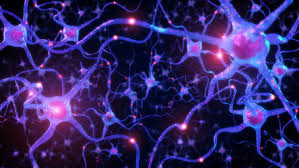
Neural signals operate through electrochemical processes where neurons communicate via action potentials and synaptic transmissions. These signals travel at speeds up to 120 meters per second, creating complex networks of information exchange. Modern signal processing techniques employ sophisticated algorithms to filter noise, identify patterns, and extract meaningful data from this biological chatter.
Advanced machine learning models have become instrumental in interpreting neural activity. Deep learning algorithms can now recognize patterns associated with specific cognitive states, motor intentions, and even emotional responses. This computational approach has dramatically improved our understanding of how different brain regions coordinate and communicate during various tasks and experiences.
From Raw Data to Meaningful Insights
The journey from capturing raw neural signals to extracting actionable insights involves multiple processing stages. First, sensors detect electrical activity through electroencephalography (EEG), magnetoencephalography (MEG), or implanted electrodes. Next, sophisticated filtering techniques remove artifacts from muscle movements, eye blinks, and environmental interference.
Signal amplification and digitization convert biological signals into formats computers can analyze. Feature extraction algorithms then identify relevant characteristics like frequency bands, amplitude variations, and temporal patterns. Finally, classification systems determine what these patterns mean in practical terms, whether identifying seizure onset, predicting motor movements, or detecting attention states.
🔬 Breakthrough Technologies Transforming Brain Health
Several revolutionary technologies have emerged from advances in neural signal processing, each addressing specific aspects of brain health and function. These innovations span from diagnostic tools to therapeutic interventions, representing a paradigm shift in neurological care.
High-Density Brain-Computer Interfaces
Modern brain-computer interfaces (BCIs) utilize thousands of electrodes to capture neural activity with remarkable spatial and temporal resolution. Companies and research institutions have developed implantable systems that record from individual neurons, enabling paralyzed individuals to control robotic limbs, computer cursors, and communication devices using thought alone.
These systems rely on sophisticated signal processing to translate neural patterns into commands. Real-time algorithms decode motor intentions from brain activity in the motor cortex, sending instructions to external devices within milliseconds. The precision of these systems continues improving as machine learning models become better trained on individual users’ neural patterns.
Non-Invasive Neural Monitoring Systems
Not all breakthrough technologies require surgical implantation. Wearable EEG devices have become increasingly sophisticated, offering clinical-grade signal quality in portable formats. These devices enable continuous brain monitoring for epilepsy patients, sleep disorder diagnosis, and cognitive performance tracking.
Advanced signal processing compensates for the challenges of recording through the skull and scalp. Adaptive filtering techniques distinguish genuine brain signals from electrical noise, while source localization algorithms estimate where in the brain specific activity originates. This combination makes non-invasive monitoring viable for applications previously requiring invasive procedures.
Therapeutic Applications Changing Lives
The practical applications of neural signal processing extend far beyond research laboratories, delivering tangible benefits to patients with various neurological conditions. These therapeutic interventions demonstrate how understanding and modulating brain signals can restore lost functions and improve quality of life.
Precision Treatment for Epilepsy
Epilepsy affects approximately 50 million people worldwide, and neural signal processing has revolutionized both diagnosis and treatment. Responsive neurostimulation systems continuously monitor brain activity, detecting patterns that precede seizures. When the system identifies these precursor signals, it delivers targeted electrical stimulation to prevent the seizure from developing.
This closed-loop approach represents a fundamental shift from scheduled medication to dynamic, personalized intervention. Signal processing algorithms learn each patient’s unique seizure signatures, becoming more accurate over time. Clinical trials have demonstrated significant reductions in seizure frequency for patients who previously had limited treatment options.
Restoring Movement After Paralysis
Perhaps the most dramatic applications involve restoring motor function to individuals with spinal cord injuries or neurological diseases. Neural signal processing enables direct communication between the brain and muscles or robotic prosthetics, bypassing damaged neural pathways.
Researchers have successfully enabled paralyzed individuals to walk, grasp objects, and perform activities of daily living using BCI systems. These achievements rely on decoding neural signals associated with movement intentions and translating them into appropriate commands for muscle stimulation or robotic control. The technology continues advancing toward more natural, intuitive control that feels similar to voluntary movement.
💡 Cognitive Enhancement and Mental Health
Beyond treating disease, neural signal processing opens possibilities for enhancing normal brain function and addressing mental health conditions through novel approaches. This emerging field, called neurotechnology, attracts significant research and commercial investment.
Neurofeedback for Peak Performance
Athletes, executives, and performers increasingly use neurofeedback training to optimize cognitive performance. These systems provide real-time information about brain states, allowing users to learn voluntary control over neural patterns associated with focus, relaxation, or creativity.
Signal processing enables identification of specific brainwave patterns correlated with optimal performance states. Users receive immediate feedback, often through visual or auditory cues, helping them recognize and replicate these beneficial brain states. Research indicates neurofeedback can improve attention, reduce anxiety, and enhance various cognitive abilities with consistent practice.
Depression and Anxiety Treatment
Mental health conditions involve altered neural signaling patterns, making them potential targets for signal-based interventions. Transcranial magnetic stimulation (TMS) uses magnetic fields to modulate neural activity in specific brain regions, particularly areas involved in mood regulation.
Advanced signal processing guides TMS treatment by identifying optimal stimulation parameters for individual patients. EEG recordings help clinicians target specific brain states or regions showing abnormal activity patterns. Clinical studies demonstrate significant improvement rates for depression patients who don’t respond to traditional medications, offering new hope for treatment-resistant conditions.
🚀 Artificial Intelligence Accelerating Progress
Artificial intelligence has become indispensable for processing the massive amounts of data generated by brain monitoring systems. Machine learning algorithms excel at recognizing patterns in complex, high-dimensional neural data that would be impossible for humans to discern manually.
Deep Learning Decodes Complex Patterns
Convolutional neural networks and recurrent neural networks have proven particularly effective for analyzing temporal and spatial patterns in brain signals. These AI systems can predict seizures minutes before onset, decode intended speech from brain activity, and identify subtle markers of cognitive decline years before clinical symptoms appear.
The combination of large datasets and powerful algorithms enables discovery of previously unknown relationships between neural patterns and behaviors, cognition, or disease states. As these systems train on more data from diverse populations, their accuracy and generalizability continue improving, making advanced neural signal processing accessible to broader patient populations.
Personalized Brain Health Monitoring
AI-powered analysis enables personalized brain health tracking that adapts to individual baseline patterns. Rather than comparing patients to population averages, these systems establish personal norms and detect meaningful deviations specific to each individual.
This personalized approach proves especially valuable for detecting subtle changes associated with concussion, cognitive decline, or medication effects. Algorithms continuously learn from ongoing monitoring, refining their understanding of what constitutes normal variation versus clinically significant changes for specific users.
Overcoming Technical Challenges
Despite remarkable progress, neural signal processing faces ongoing technical challenges that researchers actively work to address. These obstacles span hardware limitations, signal quality issues, and computational demands.
Signal Quality and Artifact Reduction
Biological signals are inherently noisy, contaminated by muscle activity, eye movements, heart electrical activity, and environmental interference. Distinguishing genuine brain signals from these artifacts remains challenging, especially for non-invasive recordings.
Modern signal processing employs multiple techniques simultaneously: independent component analysis separates mixed signals into distinct sources, adaptive filtering tracks and removes predictable interference, and machine learning identifies artifact patterns for automated rejection. These combined approaches dramatically improve signal quality, but perfect artifact removal remains elusive, particularly in real-world, uncontrolled environments.
Real-Time Processing Requirements
Many applications require processing neural signals in real-time, within milliseconds of their occurrence. This constraint challenges even powerful computing systems when dealing with high-density electrode arrays generating massive data streams.
Researchers develop optimized algorithms that sacrifice some analytical depth for processing speed, employ edge computing to process data at the sensor rather than transmitting everything, and leverage specialized hardware accelerators designed for signal processing tasks. These solutions enable real-time applications like responsive neurostimulation and brain-computer interface control despite computational demands.
🌍 Accessibility and Democratization
As neural signal processing technologies mature, making them accessible beyond elite research centers and affluent patients becomes increasingly important. Several trends point toward broader availability and reduced costs.
Consumer-Grade Neural Devices
Wearable EEG headsets now cost hundreds rather than thousands of dollars, bringing brain monitoring capabilities to consumers, small clinics, and developing regions. While these devices don’t match medical-grade precision, continuous improvements make them suitable for many applications including meditation training, sleep tracking, and cognitive performance monitoring.
Open-source software libraries enable developers worldwide to create applications using these devices, fostering innovation beyond traditional medical companies. This democratization accelerates progress as diverse perspectives tackle neural signal processing challenges from different angles.
Telemedicine and Remote Monitoring
Neural signal processing integrates seamlessly with telemedicine platforms, enabling remote diagnosis and treatment monitoring. Patients can perform EEG recordings at home, with data transmitted to specialists for analysis. This capability proves especially valuable for conditions requiring longitudinal monitoring like epilepsy, sleep disorders, and cognitive decline.
Cloud-based signal processing services reduce the need for local computational resources, making sophisticated analysis accessible through simple interfaces. Patients and clinicians in remote areas gain access to expertise and technology previously available only at specialized centers.
Ethical Considerations and Privacy
The power to read and potentially influence brain signals raises profound ethical questions that society must address as these technologies advance. Neural data represents the most intimate information about individuals, demanding robust protections and thoughtful governance.
Privacy concerns extend beyond typical medical data. Neural signals potentially reveal thoughts, emotions, and cognitive states that individuals might not consciously recognize or wish to share. Regulations must evolve to protect neural privacy while enabling beneficial applications. Questions about data ownership, consent for secondary uses, and protection against unauthorized access require ongoing dialogue among technologists, ethicists, policymakers, and the public.
Enhancement applications raise additional concerns about equity and fairness. If neural technologies significantly boost cognitive performance, access disparities could exacerbate social inequalities. Society must consider how to ensure beneficial neurotechnologies remain accessible rather than becoming privileges of the wealthy.
🔮 The Road Ahead: Future Possibilities
Current breakthroughs represent early steps in a transformative journey. The next decade promises even more remarkable advances as technologies mature and converge in novel ways.
Bidirectional Brain-Computer Communication
Future systems will not only read brain signals but provide high-bandwidth sensory feedback, creating truly bidirectional communication between brains and computers. This would enable prosthetic limbs that feel natural touch and temperature, visual prosthetics that restore rich visual experiences, and even direct brain-to-brain communication.
Signal processing challenges for sensory stimulation differ from recording, requiring precise spatial and temporal control of neural activation patterns. Researchers explore optogenetics, focused ultrasound, and advanced electrical stimulation to write information into the brain as precisely as we now read it out.
Whole-Brain Activity Mapping
Emerging technologies aim to simultaneously record from millions of neurons across the entire brain, creating comprehensive activity maps at millisecond resolution. Such capabilities would revolutionize understanding of how distributed brain networks implement cognition, consciousness, and behavior.
Processing signals from millions of simultaneous channels demands radical advances in data handling, compression, and analysis. Neuromorphic computing hardware that mimics brain architecture may provide the computational efficiency required for whole-brain signal processing.
Preparing for the Neural Revolution
The convergence of neuroscience, engineering, and artificial intelligence creates unprecedented opportunities to understand and optimize brain health. Neural signal processing transitions from experimental research to clinical practice, from treating disease to enhancing wellness.
Healthcare systems must prepare for these advances by training professionals in neurotechnology interpretation, establishing infrastructure for neural data management, and developing reimbursement models for novel interventions. Education systems should introduce concepts of brain health monitoring and optimization as routine aspects of wellness, similar to physical fitness tracking.
Individuals can engage with emerging neurotechnologies through consumer devices, participating in research studies, and staying informed about both possibilities and limitations. As these tools become more prevalent, brain health literacy becomes as important as traditional health education.
The revolution in neural signal processing promises to fundamentally transform medicine, human performance, and our relationship with technology. By thoughtfully addressing technical challenges, ethical considerations, and accessibility barriers, society can ensure these powerful capabilities benefit humanity broadly while respecting individual autonomy and privacy. The future of brain health looks brighter than ever, powered by our growing ability to understand and work with the neural signals that define human experience.
