
Neurotechnology is rapidly transforming our understanding of the brain, promising revolutionary treatments and cognitive enhancements while raising profound ethical questions that demand immediate attention.

🧠 The Dawn of a Neurotech Revolution
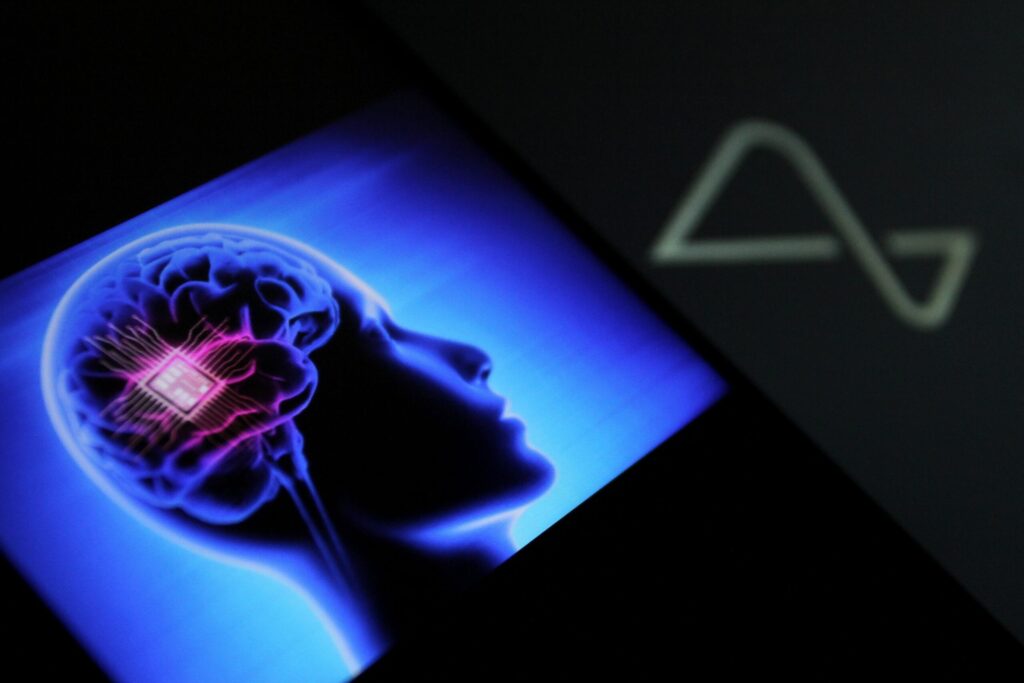
We stand at the threshold of an unprecedented era where technology can directly interface with the human brain. From brain-computer interfaces that restore mobility to paralyzed patients, to neural implants treating depression, to devices promising cognitive enhancement, neurotechnology is no longer confined to science fiction. Companies like Neuralink, Synchron, and Kernel are racing to develop commercial brain-reading and brain-modulating technologies that could fundamentally alter human experience.
This technological acceleration, however, brings us face-to-face with ethical challenges of extraordinary complexity. The brain isn’t just another organ—it’s the seat of our consciousness, personality, memories, and sense of self. Any intervention that directly interfaces with neural tissue touches upon the very essence of what makes us human, raising questions about privacy, autonomy, identity, and equity that society has never confronted before.
The stakes couldn’t be higher. Without careful ethical frameworks and responsible innovation practices, neurotechnology could exacerbate social inequalities, enable unprecedented forms of surveillance and manipulation, or fundamentally alter human nature in ways we may come to regret. Yet overly restrictive approaches might deny millions of people access to life-changing treatments and limit scientific progress that could solve some of humanity’s most pressing challenges.
Understanding the Neurotech Landscape
Before navigating the ethical maze, we must understand what neurotechnology encompasses. The field spans a remarkable range of applications, each presenting unique ethical considerations. Therapeutic neurotechnologies include deep brain stimulation for Parkinson’s disease, responsive neurostimulation for epilepsy, and experimental treatments for treatment-resistant depression and PTSD.
Diagnostic technologies use neuroimaging and brain activity monitoring to detect conditions ranging from traumatic brain injuries to neurodegenerative diseases. Brain-computer interfaces enable direct communication between the brain and external devices, offering hope to individuals with locked-in syndrome or severe paralysis. Meanwhile, consumer neurotechnologies—from meditation headbands to focus-enhancing devices—promise to optimize cognitive performance for healthy users.
This diversity means that ethical frameworks cannot be one-size-fits-all. A medical device restoring lost function raises different concerns than a consumer product promising to enhance normal cognition. Invasive implants demand different scrutiny than non-invasive wearables. Context matters enormously in neuroethics.
🔐 The Neural Privacy Imperative
Perhaps no ethical challenge looms larger than the protection of neural privacy. Our brains contain our most intimate thoughts, memories, emotions, and intentions. As neurotechnology becomes capable of decoding increasingly complex brain activity, the potential for neural surveillance and mental manipulation grows exponentially.
Current machine learning algorithms can already decode specific thoughts, visual images a person is viewing, and even predict decisions before individuals are consciously aware of them. While today’s technology remains relatively crude, rapid advances in AI and neuroscience suggest that detailed “mind reading” may be achievable within decades—or sooner.
This prospect raises troubling scenarios. Could employers require neural monitoring to ensure worker productivity? Might authoritarian governments use neurotechnology for thought surveillance? Could advertisers access neural data to craft irresistibly manipulative marketing? Even in democratic contexts with privacy protections, could neural data be vulnerable to hacking, creating entirely new forms of identity theft and blackmail?
Existing privacy frameworks prove woefully inadequate for protecting neural data. Traditional consent models assume people understand what they’re agreeing to, but the implications of sharing brain data are so novel and complex that truly informed consent may be impossible. Neural data is also fundamentally different from other biometric information—it reflects not just physical characteristics but mental states, beliefs, and the dynamic processes of thinking itself.
Building Robust Neural Privacy Protections
Addressing these challenges requires new legal frameworks specifically designed for neural data. Several jurisdictions have begun this work. Chile became the first nation to establish constitutional protections for neural rights, enshrining mental privacy and protection from discrimination based on neural data. The European Union is considering similar measures as it updates data protection regulations.
Experts propose treating neural data as a special category deserving heightened protection—perhaps even as inalienable as human rights. This could include prohibitions on non-consensual neural monitoring, strict limitations on how neural data can be used and shared, and requirements for neural data encryption and security that exceed standards for other personal information.
Technical safeguards are equally crucial. Privacy-preserving neurotechnology designs could process neural signals locally rather than transmitting raw brain data to external servers. Differential privacy techniques might allow useful neural data analysis while preventing identification of specific individuals or reconstruction of precise mental states.
Autonomy and Cognitive Liberty in the Neurotech Age
Closely related to privacy concerns are questions of mental autonomy and cognitive liberty—the right to control one’s own cognitive processes free from external interference or coercion. Neurotechnology that can influence mood, motivation, attention, or decision-making could undermine this fundamental aspect of human freedom.
The concern isn’t merely theoretical. Deep brain stimulation has produced personality changes in some patients. Transcranial magnetic stimulation can temporarily alter moral judgments. As these technologies become more sophisticated, the potential to influence human thought and behavior from the outside grows more profound.
This raises difficult questions about authenticity and identity. If a device alters your emotional responses or decision-making patterns, are you still fully yourself? Where does the boundary lie between therapeutic intervention that restores normal function and enhancement or manipulation that creates a different person?
For individuals with severe mental illness, these questions become even more complex. Someone experiencing debilitating depression or psychosis may not have full cognitive liberty in their current state. Could neurotechnology that alters their mental processes actually enhance their autonomy by enabling more rational decision-making? Or does any external influence on cognition inherently diminish autonomy?
Respecting Agency While Enabling Treatment
Navigating this ethical terrain requires nuanced approaches that respect individual agency while recognizing that neurotechnology can be genuinely liberating for people trapped by neurological or psychiatric conditions. Strong informed consent processes are essential, ensuring individuals understand how neurotechnology may affect their cognition and behavior before agreeing to its use.
For individuals unable to provide informed consent due to their condition, careful safeguards must protect their interests. This might include requiring approval from multiple independent parties, time-limited interventions subject to review, and clear criteria for what constitutes improvement versus mere behavioral control.
Society should also establish clear boundaries around coercive uses of neurotechnology. Legal protections against mandatory cognitive enhancement or monitoring in employment, education, and criminal justice contexts preserve cognitive liberty while allowing voluntary use for those who may benefit.
⚖️ Justice, Access, and the Enhancement Dilemma
Neurotechnology’s potential to enhance cognitive function beyond normal levels raises profound questions of justice and social equality. If cognitive enhancement becomes available primarily to the wealthy, it could dramatically worsen existing inequalities, creating a cognitive elite with unfair advantages in education, employment, and influence.
This concern extends beyond hypothetical futures. Already, pharmaceutical cognitive enhancers like modafinil and Adderall are used off-label for performance enhancement primarily by those with access to healthcare and discretionary income. As more sophisticated neurotechnologies emerge, disparities in access could become even more pronounced.
Some argue that cognitive enhancement is inherently unfair, providing some individuals with unearned advantages. Others counter that we already accept vast inequalities in natural cognitive abilities and in access to education, nutrition, and other factors affecting cognitive function. Why should technological enhancement be different?
The question becomes particularly acute in competitive contexts. Should enhanced students compete alongside unenhanced peers on standardized tests? Should employers be allowed to require or favor cognitive enhancement? What about professional contexts where enhanced cognition might provide significant advantages—law, medicine, finance, or politics?
Promoting Equitable Access to Neurotechnology
Addressing these challenges requires proactive policies ensuring neurotechnology benefits humanity broadly rather than exacerbating inequalities. Universal healthcare systems should cover medically necessary neurotechnologies, ensuring access isn’t limited by ability to pay. Research funding priorities should emphasize applications addressing widespread needs rather than only luxury enhancements for the wealthy.
International cooperation is essential to prevent a global divide between nations with advanced neurotechnology access and those without. Technology transfer agreements, subsidized pricing for lower-income countries, and investment in neurotechnology infrastructure in underserved regions can help ensure more equitable global distribution.
For enhancement technologies, society might consider approaches ranging from prohibition to universal provision. Some enhancements might be restricted to contexts where they’re clearly beneficial—such as helping air traffic controllers maintain alertness—while being prohibited in competitive contexts like standardized testing. Others might be made broadly available to minimize unfair advantages from selective access.
Identity, Authenticity, and the Augmented Self
Neurotechnology’s ability to alter cognitive function, personality traits, and emotional responses raises fundamental questions about personal identity. If technology can change core aspects of who you are, what does it mean to be authentically yourself? Can you lose your identity to technological intervention?
These aren’t merely philosophical puzzles but practical concerns affecting real people. Patients with deep brain stimulation have reported feeling like different people—sometimes distressingly so. Family members sometimes perceive personality changes in their loved ones following neurotechnological interventions. These experiences raise urgent questions about how to preserve identity and authenticity while enabling beneficial treatments.
The challenge intensifies when we consider that identity isn’t static. People naturally change throughout their lives due to experiences, relationships, aging, and deliberate self-improvement efforts. We don’t generally see growth and change as threatening identity. Why should technologically-mediated changes be different?
Perhaps the key distinction lies in control and continuity. Changes we actively choose and that feel continuous with our existing self-understanding may preserve identity better than sudden, externally-imposed alterations. This suggests that neurotechnology respecting personal agency and enabling gradual, reversible changes may be ethically preferable to dramatic, permanent interventions.
🔬 Responsible Innovation in Neurotechnology Development
Addressing neurotechnology’s ethical challenges requires more than reactive regulation—it demands building ethical considerations into the innovation process itself. Responsible innovation approaches bring together scientists, ethicists, potential users, and other stakeholders throughout the development process rather than considering ethics only after technologies are created.
This means conducting ethical impact assessments alongside technical feasibility studies, engaging diverse communities in design decisions, building in privacy and security from the ground up rather than as afterthoughts, and maintaining transparency about both capabilities and limitations of neurotechnologies.
Academic institutions and companies developing neurotechnology should establish robust ethics review processes that go beyond minimal regulatory compliance. Internal ethics committees including not just scientists but also ethicists, disability advocates, neurodiversity representatives, and affected community members can provide valuable perspectives often missed in purely technical development.
The Role of Regulation and Governance
While self-regulation has value, government oversight remains essential for protecting public welfare. Regulatory frameworks for neurotechnology must balance enabling innovation with ensuring safety and ethical use. This requires regulatory agencies to develop expertise in neurotechnology’s unique challenges rather than simply applying frameworks designed for other medical devices or consumer products.
International cooperation in neurotechnology governance can prevent races to the bottom where companies relocate to jurisdictions with lax standards. Organizations like the OECD, WHO, and UNESCO are developing international guidelines for responsible neurotechnology development, though translating these into enforceable standards remains challenging.
Public engagement in neurotechnology governance is equally crucial. Citizens should have meaningful input into decisions about what neurotechnology applications are acceptable, how neural data can be used, and what values should guide development priorities. Democratic deliberation processes, citizen assemblies, and public consultation ensure governance reflects societal values rather than only technical or commercial interests.
Dual-Use Concerns and Neurosecurity Threats
Like many powerful technologies, neurotechnology presents dual-use risks—the possibility that applications developed for beneficial purposes could be weaponized or used for harmful ends. Brain-computer interfaces designed to help paralyzed patients communicate could potentially be repurposed for coercive interrogation. Neurotechnology for treating addiction might be misused for behavioral control. Technologies decoding neural signals for medical diagnosis could enable unprecedented surveillance.
These aren’t merely speculative concerns. Military and intelligence agencies worldwide are actively researching neurotechnology applications for operational advantage. While some applications like treating PTSD in veterans are clearly beneficial, others raise serious ethical red flags—including technologies for reading combatant or suspect intentions, modulating soldier emotions to reduce fear or enhance aggression, or interfering with enemy decision-making.
Cybersecurity threats add another dimension to these concerns. As neurotechnology becomes networked and AI-driven, vulnerabilities could enable hacking of neural devices with potentially catastrophic consequences. Imagine malicious actors accessing brain-computer interfaces to cause seizures, manipulate prosthetic limbs, or extract sensitive neural data. Securing neurotechnology against such threats must be a paramount priority.
🌍 Moving Forward: A Vision for Ethical Neurotechnology
Despite these formidable challenges, neurotechnology’s potential to alleviate suffering, restore lost functions, and expand human capabilities makes it worth pursuing—if we can navigate the ethical maze successfully. This requires sustained, collaborative effort from multiple stakeholders, each playing essential roles.
Researchers must embrace responsible innovation principles, prioritizing transparency, safety, and ethical reflection alongside technical advancement. Developers should implement privacy-by-design and security-by-design approaches, ensuring protection of neural data and device integrity from the outset. Clinicians need training in the unique ethical dimensions of neurotechnology to provide appropriate guidance to patients.
Policymakers should develop adaptive regulatory frameworks that protect public welfare while enabling beneficial innovation, updated regularly as technology and understanding evolve. Ethicists must continue analyzing emerging challenges and proposing solutions grounded in both principle and practical feasibility. Civil society organizations should advocate for public interests and ensure marginalized voices are heard in neurotechnology governance.
Most importantly, the public needs education about neurotechnology’s possibilities and risks to participate meaningfully in decisions about its development and use. Neuroethics literacy should become part of standard education, preparing citizens to navigate a world where brain technology plays an increasingly central role.
Embracing Both Promise and Precaution
The ethical challenges surrounding neurotechnology are undeniably complex, touching on fundamental questions about consciousness, identity, privacy, and human nature itself. There are no easy answers, and reasonable people will disagree about where to draw lines and how to balance competing values.
Yet this complexity shouldn’t paralyze us. Throughout history, humanity has confronted transformative technologies—from writing to printing to computing—that raised profound questions about their impact on human society and consciousness. We’ve learned to harness their benefits while managing their risks, though imperfectly. Neurotechnology demands the same pragmatic wisdom: neither naive enthusiasm nor reflexive rejection, but rather careful, ethically-informed navigation of novel terrain.
The maze of neuroethics is indeed challenging, but it’s not impossible to navigate. With robust safeguards, inclusive governance, commitment to equity, respect for cognitive liberty, and ongoing ethical reflection, we can realize neurotechnology’s extraordinary potential while preserving the values that make us human. The path forward requires vigilance, humility, and cooperation—but the destination, a world where neurotechnology serves human flourishing while protecting human dignity, is worth the journey.
As we venture deeper into the age of neurotechnology, our choices today will shape not just what technologies we develop, but fundamentally who we become as individuals and as a species. That awesome responsibility demands our most thoughtful, inclusive, and ethically grounded efforts. The future of our minds—and perhaps of human nature itself—hangs in the balance. 🧠✨
