
Deep within your brain lies a tiny, almond-shaped structure that holds extraordinary power over your emotions, memories, and survival instincts—the amygdala.

This remarkable brain region, no larger than a walnut, acts as your internal alarm system, constantly scanning for threats and orchestrating your body’s stress response. While most people have never heard of it, the amygdala influences nearly every decision you make, from avoiding dangerous situations to forming lasting emotional memories.
Understanding how this ancient brain structure works can transform your relationship with stress, anxiety, and emotional well-being. By learning to work with your amygdala rather than against it, you can unlock new levels of emotional intelligence and resilience that modern life demands.
🧠 The Amygdala: Your Brain’s Emergency Command Center
The amygdala sits deep within the temporal lobes of your brain, part of the limbic system that evolved millions of years ago to keep our ancestors alive. Despite its small size—roughly 1.5 centimeters in length—this neural powerhouse processes emotional information faster than your conscious mind can comprehend.
When you encounter potential danger, your amygdala springs into action before you even realize what’s happening. It receives sensory information directly from your thalamus, bypassing the slower, more analytical prefrontal cortex. This shortcut explains why you can jump away from a snake-like object on a hiking trail before consciously recognizing it’s just a stick.
This rapid-fire response system served our ancestors extraordinarily well when facing predators and environmental threats. However, in our modern world, the amygdala can’t always distinguish between a genuine life-threatening situation and a stressful email from your boss.
Decoding the Stress Response: When Your Amygdala Takes Control
The stress response begins when your amygdala detects a perceived threat. Within milliseconds, it sends distress signals to your hypothalamus, which functions like a command center coordinating your body’s automatic functions. This triggers the famous “fight-or-flight” response that you’ve likely experienced countless times.
Your hypothalamus activates the sympathetic nervous system, prompting your adrenal glands to release adrenaline. Suddenly, your heart races, your breathing quickens, and blood rushes to your muscles. Your pupils dilate to improve vision, and your body releases glucose for immediate energy. All of this happens without conscious thought—your amygdala has effectively hijacked your system.
If the perceived threat continues, your amygdala keeps the stress response activated through the HPA (hypothalamic-pituitary-adrenal) axis, releasing cortisol to maintain heightened alertness. While beneficial in short bursts, chronic activation of this system creates the health problems associated with prolonged stress.
The Double-Edged Sword of Amygdala Activation ⚔️
Your amygdala doesn’t just respond to physical threats. It reacts equally strongly to psychological stressors, social rejection, financial worries, and traumatic memories. This is where problems emerge in modern life—we face chronic stressors that keep our amygdala perpetually activated without the physical release that fighting or fleeing would provide.
Research shows that repeated stress can actually change the amygdala’s structure. Studies using brain imaging technology reveal that people with chronic anxiety or post-traumatic stress disorder often have enlarged, hyperactive amygdalae that respond more intensely to neutral stimuli.
The Memory Maker: How Your Amygdala Stamps Emotions onto Experiences
Beyond stress responses, your amygdala plays a crucial role in forming emotional memories. It acts like a highlighter pen, marking certain experiences as particularly important by attaching strong emotions to them. This explains why you can remember exactly where you were during significant life events—both positive and negative.
The amygdala works closely with the hippocampus, your brain’s memory consolidation center, to create these vivid emotional memories. When something triggers a strong emotional response, your amygdala signals the hippocampus to prioritize storing that information for long-term recall.
This mechanism evolved to help humans remember dangerous situations and avoid them in the future. If your ancestor encountered a predator near a particular watering hole, their amygdala ensured they’d never forget to be cautious in that location again.
When the Amygdala Becomes Overprotective: Understanding Anxiety Disorders
Sometimes the amygdala becomes too sensitive, responding to minor stressors as if they were life-threatening emergencies. This hypervigilance characterizes many anxiety disorders, including generalized anxiety disorder, social anxiety, and panic disorder.
People with overactive amygdalae often describe feeling constantly on edge, experiencing frequent panic attacks, or avoiding situations that trigger their anxiety. Their brain’s threat detection system has essentially become miscalibrated, seeing danger where none exists.
Traumatic experiences can particularly sensitize the amygdala. After trauma, this brain region may remain in a heightened state of alert, ready to sound the alarm at the slightest hint of similarity to the original traumatic event. This explains the flashbacks and hypervigilance characteristic of PTSD.
The Neuroscience of Fear Conditioning
Your amygdala learns through a process called fear conditioning. When a neutral stimulus repeatedly appears alongside something threatening, your amygdala begins associating the two. Classic psychology experiments demonstrated this principle, but it happens naturally throughout life.
For example, if you experience a panic attack in an elevator, your amygdala may associate enclosed spaces with danger, potentially developing claustrophobia. Understanding this mechanism is the first step toward rewiring these fear responses.
🎯 Harnessing Your Amygdala’s Potential: Science-Based Strategies
The good news is that your amygdala isn’t fixed—neuroplasticity allows you to reshape its responses through intentional practice. Modern neuroscience has identified several evidence-based techniques for regulating amygdala activity and reducing stress reactivity.
Mindfulness Meditation: Rewiring Your Threat Detection System
Research consistently shows that mindfulness meditation reduces amygdala activity and volume over time. A landmark study from Harvard found that just eight weeks of mindfulness practice decreased gray matter density in the amygdala while increasing it in brain regions associated with learning, memory, and emotional regulation.
Mindfulness works by strengthening connections between your prefrontal cortex and amygdala. This enhanced communication allows your rational brain to better modulate your emotional brain, essentially giving you a volume control for your stress response.
Start with just five minutes daily of focused breathing. Notice sensations in your body without judgment. When your mind wanders, gently return attention to your breath. This simple practice gradually teaches your amygdala that not every thought or sensation requires an emergency response.
Cognitive Reappraisal: Talking Down Your Internal Alarm
Cognitive reappraisal involves consciously reinterpreting situations to change your emotional response. When you catch yourself catastrophizing—imagining worst-case scenarios—you can engage your prefrontal cortex to challenge those thoughts and calm your amygdala.
For instance, if public speaking triggers your stress response, instead of thinking “I’ll embarrass myself and everyone will judge me,” reframe it as “This is an opportunity to share ideas I care about. Some nervousness is normal and even helpful for performance.”
This cognitive technique activates your prefrontal cortex, which then sends inhibitory signals to your amygdala, essentially telling it to stand down from high alert. With practice, this process becomes more automatic.
Physical Approaches to Calming an Overactive Amygdala
Your body and brain communicate bidirectionally—changing your physical state can directly influence your amygdala’s activity level. These somatic approaches offer powerful tools for immediate stress relief and long-term regulation.
The Breath-Amygdala Connection 💨
Your breathing pattern directly affects amygdala activation. Rapid, shallow breathing signals danger to your amygdala, while slow, deep breathing activates the parasympathetic nervous system, telling your amygdala it’s safe to relax.
Try the 4-7-8 breathing technique: inhale through your nose for 4 counts, hold for 7 counts, exhale through your mouth for 8 counts. This extended exhalation activates your vagus nerve, which sends calming signals throughout your nervous system, including to your amygdala.
Exercise: Moving Your Body to Calm Your Mind
Regular physical activity is one of the most effective ways to regulate amygdala function. Exercise reduces amygdala reactivity over time while promoting the growth of new neurons in the hippocampus, improving your brain’s overall stress resilience.
Both aerobic exercise and strength training show benefits, but consistency matters more than intensity. Even moderate activities like walking for 30 minutes daily can significantly reduce amygdala hyperactivity and anxiety symptoms.
Exercise also metabolizes stress hormones like cortisol and adrenaline that your amygdala triggered during stressful situations, providing the physical release that your “fight-or-flight” response was designed for.
Sleep: Your Amygdala’s Reset Button
Sleep deprivation dramatically increases amygdala reactivity. Research from UC Berkeley found that people who didn’t sleep for 35 hours showed 60% more amygdala activity in response to negative images compared to well-rested participants.
During sleep, particularly during REM stages, your brain processes emotional experiences and consolidates memories. This nightly maintenance helps your amygdala recalibrate, distinguishing genuine threats from false alarms more effectively.
Prioritizing 7-9 hours of quality sleep isn’t luxury—it’s essential maintenance for your emotional brain. Create a consistent sleep schedule, minimize blue light exposure before bed, and establish calming bedtime routines to support this crucial process.
Social Connection: The Unexpected Amygdala Regulator
Humans are fundamentally social creatures, and your amygdala responds powerfully to social cues. Positive social connections act as buffers against stress, reducing amygdala activation during challenging times.
Studies show that even brief positive social interactions can lower cortisol levels and reduce amygdala reactivity. Conversely, social isolation and loneliness increase amygdala activation and stress sensitivity, creating a vicious cycle of anxiety and withdrawal.
Make time for meaningful connections with friends, family, or community groups. Even virtual connections provide benefits, though in-person interaction generally produces stronger effects on stress reduction and emotional regulation.
Therapy and Professional Support 🤝
For those with persistent anxiety or trauma-related amygdala hyperactivity, professional therapy offers targeted interventions. Cognitive Behavioral Therapy (CBT) and Exposure Therapy work by gradually retraining your amygdala’s responses to feared stimuli.
Newer approaches like EMDR (Eye Movement Desensitization and Reprocessing) specifically target traumatic memories stored in the amygdala, helping to reprocess them in ways that reduce their emotional intensity.
Nutritional Support for Amygdala Health
Your diet influences neurotransmitter production and inflammation levels, both of which affect amygdala function. Omega-3 fatty acids, found in fatty fish, walnuts, and flaxseeds, have been shown to reduce amygdala activation and anxiety symptoms.
Magnesium, often called “nature’s relaxation mineral,” helps regulate neurotransmitters that calm the amygdala. Dark leafy greens, nuts, seeds, and whole grains provide excellent sources.
Minimize processed foods, excessive caffeine, and alcohol, which can increase amygdala reactivity and disrupt the delicate balance of your stress response system.
Creating an Amygdala-Friendly Environment
Your surroundings constantly signal safety or danger to your amygdala. Creating environments that promote calm can reduce baseline stress and amygdala activation throughout your day.
Natural light, plants, organized spaces, and comfortable temperatures all signal safety to your nervous system. Even small changes—adding a plant to your workspace, opening curtains, or decluttering—can reduce chronic stress activation.
Minimize exposure to constant news cycles, social media comparison, and other modern stressors that keep your amygdala unnecessarily activated. Your brain evolved for periodic threats, not the constant low-level stress that characterizes modern life.
The Future of Amygdala Research and Intervention
Neuroscience continues uncovering fascinating insights about amygdala function. Emerging research explores neurofeedback techniques that allow people to see real-time brain activity and learn to consciously modulate their amygdala responses.
Scientists are also investigating how specific medications, psychedelics in controlled therapeutic settings, and targeted brain stimulation might help recalibrate overactive amygdalae in treatment-resistant anxiety and PTSD.
Understanding individual differences in amygdala function may eventually enable personalized interventions tailored to each person’s unique neurobiological profile, making stress management more effective and efficient.
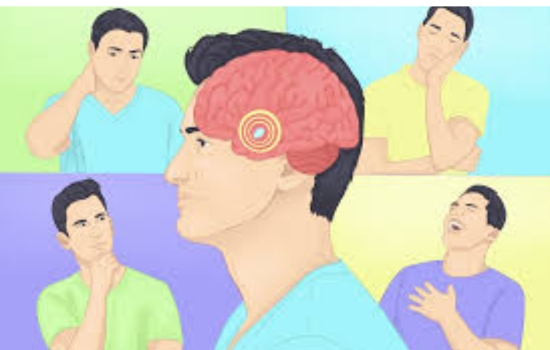
Embracing Your Amygdala as an Ally, Not an Enemy 🌟
Rather than viewing your amygdala as a problem to solve, recognize it as a sophisticated system designed to protect you. The goal isn’t to eliminate stress responses entirely—that would be dangerous—but to calibrate them appropriately for modern life.
Your amygdala provides valuable information about your emotional landscape. Learning to listen to its signals without being controlled by them represents true emotional intelligence. Some anxiety is adaptive, keeping you alert and motivated. The key is preventing it from overwhelming your system.
By implementing the strategies discussed—mindfulness, cognitive reappraisal, physical exercise, quality sleep, social connection, and environmental modifications—you can gradually reshape your amygdala’s reactivity. This isn’t a quick fix but a lifelong practice of working with your brain’s natural architecture.
Remember that change happens gradually through consistent practice. Each time you choose a calming breath over panic, each meditation session, each cognitive reframe strengthens the neural pathways that regulate your amygdala. You’re literally rewiring your brain through your daily choices.
The power of your amygdala is undeniable—it shapes your experiences, memories, and responses to the world. By understanding this remarkable brain region and learning evidence-based techniques to work with it, you unlock the potential to transform your relationship with stress and emotion. Your amygdala isn’t your enemy; with the right approach, it becomes a powerful ally in navigating life’s challenges with resilience and wisdom.
