
Emotional intelligence and neuroeducation are revolutionizing how we approach learning, personal development, and success in every aspect of life. Understanding this powerful connection opens doors to unprecedented growth.

🧠 The Neuroscience Behind Emotional Intelligence
The human brain is far more than a simple computing machine. It’s a complex network where emotions and cognition intertwine in ways that scientists are only beginning to fully understand. Neuroeducation, the bridge between neuroscience and educational practice, reveals that emotional intelligence isn’t just a soft skill—it’s hardwired into our neural architecture.
The prefrontal cortex, amygdala, and anterior cingulate cortex form what neuroscientists call the “emotional brain.” These structures work in concert to process emotional information, regulate responses, and integrate feelings with rational thought. When we develop emotional intelligence, we’re literally strengthening the neural pathways that connect these regions.
Research using functional MRI technology has shown that individuals with higher emotional intelligence demonstrate increased activity in areas associated with self-awareness and empathy. This isn’t abstract theory—it’s observable brain function that can be measured and, more importantly, developed through targeted practices informed by neuroeducation principles.
Why Traditional Education Falls Short
For decades, educational systems worldwide have prioritized cognitive abilities while largely ignoring emotional development. This approach creates a fundamental mismatch between how we teach and how the brain actually learns. Neuroeducation research demonstrates that emotion and cognition are inseparable processes.
When students experience stress, anxiety, or disconnection, their amygdala—the brain’s alarm system—becomes hyperactive. This triggers a cascade of neurochemical responses that literally shut down the prefrontal cortex, the region responsible for complex thinking, decision-making, and learning. No amount of traditional instruction can overcome this biological barrier.
The most effective learning environments acknowledge this reality. They create emotionally safe spaces where students can develop both cognitive skills and emotional competencies simultaneously. This isn’t about lowering academic standards—it’s about understanding the neurobiological prerequisites for optimal learning.
🎯 The Five Pillars of Emotional Intelligence in Learning
Daniel Goleman’s framework for emotional intelligence provides a roadmap that aligns perfectly with neuroeducational insights. Each component corresponds to specific brain functions and neural networks that can be strengthened through practice.
Self-Awareness: The Foundation of Neural Integration
Self-awareness begins with interoception—the brain’s ability to sense internal bodily states. The insula, a brain region involved in self-awareness, processes these signals and brings them into conscious awareness. Students who develop stronger interoceptive skills can better recognize their emotional states before they become overwhelming.
Neuroeducation teaches us that self-awareness isn’t innate; it’s a skill that develops through practice. Mindfulness exercises, reflective journaling, and metacognitive strategies all strengthen the neural circuits responsible for self-monitoring. When students regularly practice checking in with their emotional state, they’re building the neural infrastructure for lifelong emotional intelligence.
Self-Regulation: Training the Executive Brain
The prefrontal cortex acts as the brain’s executive control center, managing impulses and regulating emotional responses. Neuroplasticity research shows that this region continues developing well into our mid-twenties, making adolescence and young adulthood critical periods for building self-regulation skills.
Techniques like cognitive reappraisal—reframing how we interpret situations—actively engage the prefrontal cortex and strengthen its inhibitory control over the amygdala. Students who learn these strategies don’t just manage emotions better; they’re literally rewiring their brains for greater emotional control throughout life.
Motivation: Activating the Reward System
The brain’s dopaminergic reward system drives motivation and goal-directed behavior. Understanding how this system works empowers educators and learners to harness its power effectively. Intrinsic motivation—driven by personal interest and growth—activates different neural pathways than extrinsic rewards like grades or prizes.
Neuroeducation reveals that sustainable motivation comes from helping students connect learning to personally meaningful goals. When the brain perceives an activity as relevant to survival, social connection, or personal growth, it releases neurochemicals that enhance attention, memory consolidation, and perseverance.
Empathy: Building Social Brain Networks
Mirror neurons and the brain’s mentalizing network enable us to understand and share others’ emotional experiences. These systems develop through social interaction and can be enhanced through targeted practices. Perspective-taking exercises, collaborative learning, and exposure to diverse narratives all strengthen empathic neural circuits.
Students with well-developed empathy don’t just have better relationships—they’re also better learners. The social brain and learning brain are deeply interconnected. Collaborative learning environments that foster empathy create optimal conditions for knowledge acquisition and retention.
Social Skills: Integrating Complex Neural Systems
Effective social interaction requires coordinating multiple brain systems simultaneously—language processing, emotional recognition, executive function, and motor planning. This complexity makes social skills both challenging to develop and incredibly valuable once mastered.
Neuroeducation-informed approaches use role-playing, social stories, and real-world practice to build these integrated neural networks. Each positive social interaction strengthens the connections between brain regions, making future interactions smoother and more natural.
📚 Practical Neuroeducation Strategies for Developing Emotional Intelligence
Understanding the neuroscience is valuable, but application transforms knowledge into results. These evidence-based strategies translate neuroeducational insights into practical tools for developing emotional intelligence.
Mindfulness Practices That Rewire the Brain
Neuroscientific studies have consistently shown that regular mindfulness practice produces measurable changes in brain structure and function. Just eight weeks of mindfulness meditation can increase gray matter density in the hippocampus (important for learning and memory) and decrease it in the amygdala (reducing stress reactivity).
Simple practices like breath awareness, body scans, and mindful observation don’t require special equipment or extensive time commitments. Even five minutes daily can initiate beneficial neural changes. The key is consistency—regular practice strengthens neural pathways more effectively than occasional intensive sessions.
Emotional Labeling and the Power of Language
Research by neuroscientist Matthew Lieberman demonstrates that putting feelings into words—a process called “affect labeling”—reduces amygdala activity and activates the prefrontal cortex. This simple act of naming emotions helps regulate them.
Expanding emotional vocabulary gives the brain more nuanced tools for processing experiences. Instead of just “angry” or “sad,” students learn to identify “frustrated,” “disappointed,” “overwhelmed,” or “melancholic.” This granularity enables more precise emotional regulation and clearer communication.
Movement and Embodied Learning
The brain doesn’t exist in isolation from the body. Physical movement activates brain-derived neurotrophic factor (BDNF), a protein that supports neuron growth and synaptic plasticity. Exercise literally prepares the brain to learn more effectively while simultaneously regulating mood and reducing stress.
Incorporating movement breaks, physical activities that integrate academic content, and opportunities for kinesthetic learning honors the brain-body connection. Students who move regularly demonstrate better emotional regulation, improved focus, and enhanced cognitive performance.
🌟 Creating Emotionally Intelligent Learning Environments
Individual strategies matter, but environmental factors profoundly influence emotional and cognitive development. Neuroeducation provides insights into designing spaces and structures that support both emotional intelligence and academic achievement.
Safety First: The Neurobiological Imperative
The brain’s primary function is survival. When students don’t feel physically or psychologically safe, their nervous systems remain in a defensive state that inhibits learning. Creating safe learning environments isn’t about coddling—it’s about establishing the neurobiological prerequisites for effective education.
Safety includes predictable routines, clear expectations, respectful communication, and responses to mistakes that emphasize growth rather than judgment. These elements signal to the nervous system that it’s safe to shift from defensive to learning mode.
Connection Before Content
The social brain develops before and more rapidly than the purely cognitive brain. Humans are wired to learn within social contexts. Strong relationships between students and teachers aren’t just nice—they’re neurobiologically necessary for optimal learning.
When students feel genuinely connected to teachers and peers, their brains release oxytocin and other neurochemicals that enhance trust, reduce stress, and improve memory consolidation. Investing time in building relationships isn’t time away from learning; it’s creating the foundation that makes learning possible.
Technology’s Role in Developing Emotional Intelligence
Digital tools offer new possibilities for developing emotional intelligence through neuroeducation-informed approaches. Apps and platforms designed with brain science in mind can provide personalized practice, track progress, and deliver interventions at optimal moments.
Emotion tracking applications help users develop self-awareness by recording emotional patterns over time. Biofeedback apps provide real-time data on physiological states, making invisible processes visible and trainable. Meditation and mindfulness apps offer guided practices grounded in neuroscience research.
However, technology should complement, not replace, human interaction. The social brain develops primarily through face-to-face connection. The most effective approaches blend digital tools with real-world practice and human relationships.
💡 Measuring Growth: Neuroeducation Assessment Approaches
Traditional tests measure only narrow cognitive skills. Neuroeducation-informed assessment recognizes that emotional intelligence is equally important and equally measurable, though it requires different approaches.
Observational assessments capture real-world application of emotional intelligence skills. Portfolio approaches document growth over time. Self-reflection tools develop metacognitive awareness while providing assessment data. Peer feedback incorporates the social dimension essential to emotional intelligence.
These assessments aren’t subjective or unrigorous—they’re aligned with how the brain actually develops competencies. They recognize that emotional intelligence manifests in behavior, relationships, and self-awareness rather than correct answers on tests.
🚀 From Classroom to Career: Lifelong Benefits
The neuroeducation-emotional intelligence connection extends far beyond academic settings. The same neural circuits developed through emotionally intelligent learning practices serve individuals throughout their personal and professional lives.
In the workplace, emotional intelligence predicts performance, leadership effectiveness, and career advancement often more accurately than traditional intelligence measures. The ability to understand and manage emotions, build relationships, and navigate social complexity becomes increasingly valuable in knowledge-based economies.
Personal relationships, physical health, psychological well-being, and life satisfaction all correlate with emotional intelligence. By developing these capacities during formative years, neuroeducation-informed approaches provide tools for lifelong flourishing.
Overcoming Obstacles: Addressing Common Challenges
Implementing neuroeducation approaches to develop emotional intelligence faces predictable obstacles. Recognition and strategic responses can help navigate these challenges successfully.
Time constraints often top the list of concerns. However, neuroeducation reveals that emotional intelligence practices don’t require separate time—they enhance the efficiency of existing activities. A classroom with strong emotional foundations learns academic content more effectively, making time invested in emotional development academically productive.
Resistance to change presents another challenge. Traditional approaches feel familiar, even when evidence shows they’re suboptimal. Introducing neuroeducation concepts through small pilot projects, sharing compelling research, and documenting results can gradually shift mindsets and practices.
Measuring outcomes differently than traditional assessments initially feels uncomfortable. Building fluency with alternative assessment approaches and celebrating the meaningful changes they reveal helps overcome this discomfort.
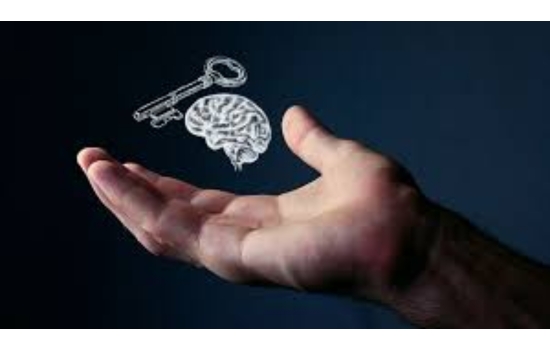
The Transformative Synthesis: Where Brain Science Meets Human Potential
Neuroeducation illuminates why emotional intelligence matters so profoundly. It’s not a trendy concept or soft skill add-on—it’s fundamental to how human brains develop, learn, and function optimally. The integration of emotional and cognitive development isn’t optional; it’s biological reality.
Students who develop emotional intelligence through neuroeducation-informed approaches gain advantages that compound throughout life. They learn more effectively, build stronger relationships, navigate challenges more successfully, and experience greater well-being. These aren’t separate benefits—they emerge from the same enhanced neural architecture.
Educators, parents, and learners who embrace this synthesis unlock potential that traditional approaches leave dormant. They work with the brain rather than against it, honoring both the emotional and cognitive dimensions of human experience.
The future of education lies in recognizing that emotional intelligence and academic achievement aren’t competing priorities but complementary aspects of comprehensive human development. Neuroeducation provides the scientific foundation and practical pathways for realizing this vision. By understanding how the brain learns and grows, we can create environments and experiences that nurture the full spectrum of human potential.
Success in learning and life ultimately depends on this integrated approach. The students, professionals, and individuals who thrive aren’t necessarily those with the highest IQs or most impressive credentials—they’re those who combine cognitive capabilities with emotional intelligence. Neuroeducation shows us how to develop both systematically and effectively, transforming not just educational outcomes but life trajectories.
