
In today’s fast-paced world, finding inner peace has become more crucial than ever, and modern meditation technologies are revolutionizing how we practice mindfulness daily.

🧘♀️ The Digital Revolution in Mindfulness Practice
The intersection of ancient meditation practices and cutting-edge technology has created an unprecedented opportunity for people worldwide to access tools that support mental wellness. What once required visits to meditation centers or extensive training with gurus can now be experienced through sophisticated apps and devices designed to enhance your mindfulness journey.
The global meditation app market has exploded in recent years, with millions of users turning to digital solutions for stress relief, better sleep, and emotional balance. This technological evolution doesn’t replace traditional meditation—it enhances it, making these transformative practices more accessible and personalized than ever before.
Understanding Modern Meditation Technology
Today’s meditation technologies encompass a wide range of innovations, from smartphone applications to biofeedback devices and virtual reality experiences. These tools leverage neuroscience research, artificial intelligence, and user data to create personalized mindfulness experiences that adapt to individual needs and progress.
The beauty of these modern solutions lies in their ability to meet practitioners wherever they are—whether you’re a complete beginner seeking guidance or an experienced meditator looking to deepen your practice. Advanced algorithms track your progress, suggest optimal meditation times, and even adjust session lengths based on your stress levels and availability.
The Science Behind Digital Mindfulness Tools
Research has consistently shown that regular meditation practice can reduce anxiety, improve focus, lower blood pressure, and enhance overall well-being. Digital meditation platforms amplify these benefits by providing consistency, accountability, and scientifically-backed methodologies. Many apps collaborate with neuroscientists, psychologists, and experienced meditation teachers to develop content that’s both effective and evidence-based.
Leading Meditation Apps Transforming Lives 📱
The meditation app landscape offers diverse options tailored to different preferences, goals, and experience levels. Let’s explore some of the most impactful applications currently available.
Headspace: Your Personal Meditation Coach
Headspace has become synonymous with accessible meditation, offering guided sessions that range from three-minute breathing exercises to longer, more intensive practices. The app’s friendly interface and animation-based explanations make complex mindfulness concepts easy to understand. With specific programs for stress, sleep, focus, and even physical exercise, Headspace provides comprehensive support for your wellness journey.
The platform features courses designed by meditation expert Andy Puddicombe, a former Buddhist monk who brings authenticity and depth to the digital meditation space. Users particularly appreciate the “sleepcasts”—audio experiences designed to help you drift off peacefully.
Calm: More Than Just Meditation
Calm has distinguished itself by offering a holistic approach to mental wellness. Beyond traditional meditation sessions, the app provides sleep stories narrated by celebrities, breathing programs, masterclasses on mindful living, and relaxing music. This comprehensive approach addresses multiple aspects of stress management and self-care.
The app’s daily meditation feature introduces fresh content regularly, preventing the monotony that sometimes affects long-term practitioners. Calm’s nature scenes and soundscapes create immersive experiences that transport users to tranquil environments, even when they’re in bustling urban settings.
Insight Timer: The Community-Focused Platform
Insight Timer stands out for its extensive free library containing over 100,000 guided meditations from teachers worldwide. This community-driven approach allows users to explore different meditation styles, traditions, and teachers without significant financial investment.
The social features enable practitioners to connect with fellow meditators globally, see who’s meditating simultaneously, and join group sessions. For those seeking structure, the app offers courses on various topics from anxiety management to loving-kindness meditation.
🎧 Binaural Beats and Soundscape Technologies
Audio technology has become increasingly sophisticated in supporting meditation practices. Binaural beats—audio frequencies that allegedly influence brainwave patterns—have gained popularity among meditators seeking deeper states of relaxation and consciousness.
How Sound Technology Enhances Meditation
When you listen to binaural beats through headphones, each ear receives a slightly different frequency. Your brain processes these differences, potentially influencing your mental state. While research continues into their effectiveness, many practitioners report enhanced focus and relaxation when incorporating these technologies into their practice.
Apps specializing in binaural beats and soundscapes offer customizable audio environments. Users can select specific frequencies associated with different mental states—theta waves for deep meditation, alpha waves for relaxed alertness, or delta waves for restorative sleep.
Wearable Meditation Technology 💫
The next frontier in meditation technology involves wearable devices that provide real-time biofeedback, helping practitioners understand and optimize their physiological responses during meditation.
Muse: The Brain-Sensing Headband
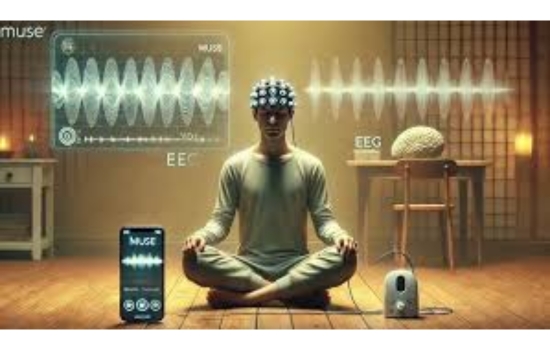
Muse represents a breakthrough in meditation technology by using EEG sensors to measure brain activity during meditation sessions. The device provides real-time audio feedback—when your mind wanders, you hear stormy weather; when you’re focused, you hear calm, peaceful sounds.
This immediate feedback loop helps practitioners develop awareness more quickly than traditional methods alone. Over time, users can track their progress, seeing measurable improvements in their ability to maintain focus and achieve deeper meditative states.
Heart Rate Variability Monitors
Several smartwatches and fitness trackers now include heart rate variability (HRV) monitoring, which measures the variation in time between heartbeats. HRV is a key indicator of stress levels and autonomic nervous system balance. By tracking HRV during meditation, practitioners can objectively measure their progress in developing stress resilience.
Virtual Reality Meditation Experiences 🥽
Virtual reality has opened new dimensions in meditation practice, creating fully immersive environments that transport users to serene locations impossible to access otherwise. VR meditation apps place you on mountaintops, underwater worlds, or abstract landscapes designed specifically to facilitate mindfulness.
The immersive nature of VR can be particularly helpful for people who struggle with traditional meditation due to environmental distractions. By completely controlling sensory input, VR creates ideal conditions for focused practice. Apps like TRIPP and Guided Meditation VR offer experiences ranging from brief relaxation sessions to comprehensive meditation courses.
Personalization Through Artificial Intelligence 🤖
Artificial intelligence is revolutionizing how meditation apps adapt to individual needs. Machine learning algorithms analyze your usage patterns, stress levels, sleep quality, and progress to recommend personalized meditation sessions and optimal practice times.
Some advanced platforms even adjust meditation content in real-time based on biometric data from connected devices. If your heart rate indicates stress, the app might extend a relaxation session or suggest breathing exercises. This level of personalization was impossible in traditional meditation contexts.
Building a Sustainable Practice with Technology
While technology offers incredible tools for meditation, the key to unlocking inner peace lies in consistent practice. Here’s how to integrate these technologies effectively into your daily routine.
Start Small and Build Gradually
Most meditation apps recommend starting with just five to ten minutes daily. This modest commitment feels manageable even for busy schedules, and consistency matters more than duration. As the habit solidifies, you can naturally extend your sessions.
Set a specific time for meditation—many practitioners find morning sessions set a positive tone for the entire day. Use app reminders and scheduling features to maintain consistency until the practice becomes automatic.
Experiment to Find Your Style
Different meditation techniques resonate with different people. Some prefer guided visualizations, while others thrive with silent sitting or body scan practices. Use the variety offered by meditation apps to explore different approaches without committing to expensive courses or memberships.
- Try mindfulness meditation for present-moment awareness
- Explore loving-kindness practices for emotional well-being
- Experiment with body scan techniques for physical relaxation
- Test transcendental meditation methods for deeper consciousness
- Consider movement meditation through guided yoga or walking practices
🌟 Combining Traditional and Modern Approaches
Technology should complement, not replace, the wisdom of traditional meditation practices. Many experienced teachers now blend ancient techniques with modern tools, creating hybrid approaches that honor tradition while embracing innovation.
Consider attending occasional in-person meditation sessions or retreats to deepen your practice beyond what apps can provide. The combination of app-supported daily practice and periodic intensive experiences creates a robust meditation routine that leverages the best of both worlds.
Tracking Progress and Celebrating Milestones
One significant advantage of meditation technology is the ability to track your practice objectively. Most apps provide statistics on meditation frequency, total time practiced, and streaks of consecutive days. This gamification element can be motivating, though it’s important not to become overly attached to metrics.
Celebrate milestones—whether it’s your first week of consistent practice, reaching 100 total sessions, or noticing tangible improvements in stress management. These acknowledgments reinforce positive habits and provide motivation during challenging periods.
Addressing Common Challenges with Tech Support 💪
Every meditator encounters obstacles. Technology can help overcome several common challenges that derail traditional practice.
Dealing with Restlessness
Many apps offer short, targeted sessions for moments when sitting still feels impossible. Three-minute breathing exercises or walking meditation guides accommodate restless energy while maintaining your practice commitment.
Managing Expectations
Educational content within meditation apps helps practitioners understand that wandering thoughts don’t indicate failure—they’re a normal part of the process. Video lessons, articles, and teacher talks provide context that prevents discouragement.
Finding Time
Apps with flexible session lengths and offline capabilities make meditation possible during commutes, lunch breaks, or before bed. The accessibility removes the excuse of insufficient time, making practice feasible even during busy periods.
The Future of Meditation Technology 🔮
Emerging technologies promise even more sophisticated tools for mindfulness practice. Brain-computer interfaces may eventually provide direct neural feedback, while AI could create dynamically generated meditations responding to your mental state in real-time.
Augmented reality might blend digital guidance with physical environments, offering meditation support wherever you are. As neuroscience deepens our understanding of meditation’s effects, technologies will become increasingly targeted at specific outcomes like creativity enhancement, emotional regulation, or cognitive performance.
Making Technology Work for Your Practice
The most effective meditation technology is the one you’ll actually use consistently. Consider these factors when choosing your tools:
- User interface and ease of navigation
- Variety of content and meditation styles
- Quality of instruction and teacher credentials
- Cost and subscription model
- Integration with other wellness apps and devices
- Offline functionality for practice anywhere
- Community features if you value social connection
Creating Your Personal Mindfulness Ecosystem 🌱
Most practitioners benefit from combining multiple tools rather than relying on a single app. You might use one platform for structured courses, another for quick stress-relief sessions, and a wearable device for biofeedback. This ecosystem approach provides flexibility and prevents boredom.
Regularly reassess your toolkit. As your practice evolves, your needs will change. What worked for a beginner may not challenge an intermediate practitioner. Stay curious and willing to explore new technologies as they emerge.
Your Journey to Inner Peace Starts Now
The convergence of meditation and technology has democratized access to practices that promote inner peace, emotional balance, and mental clarity. Whether you’re downloading your first meditation app or integrating advanced biofeedback devices into an established practice, these tools offer unprecedented support for your mindfulness journey.
Remember that technology serves as a guide and companion, but the real work happens within you. The apps, devices, and platforms are vehicles—your commitment, curiosity, and compassion are the fuel. Start where you are, use the tools available, and trust that consistent practice will unlock the inner peace you seek.
The path to mindfulness doesn’t require perfection or hours of daily practice. It requires showing up, even for just a few minutes, and allowing technology to support your intention to live with greater awareness, presence, and peace. Your inner sanctuary awaits—all you need to do is begin. 🙏
