
Emotions shape every moment of our lives, influencing decisions, relationships, and mental well-being. Understanding the brain mechanisms behind emotional control empowers us to master our inner landscape.

🧠 The Brain’s Emotional Command Center
Our emotional experiences originate from intricate neural networks that have evolved over millions of years. The limbic system, particularly the amygdala, serves as the brain’s emotional processing hub, constantly scanning our environment for threats and rewards. This ancient structure operates at lightning speed, triggering emotional responses before our conscious mind even registers what’s happening.
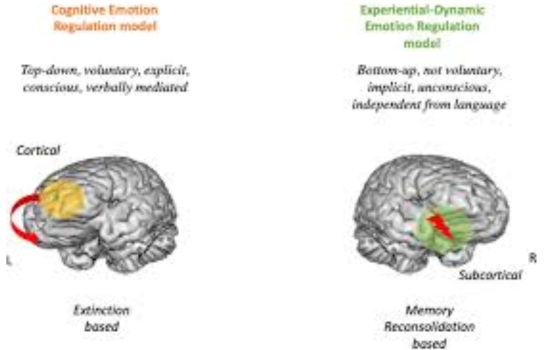
The prefrontal cortex, located just behind our forehead, acts as the brain’s executive control center. This region allows us to pause, reflect, and choose our responses rather than simply reacting to emotional impulses. The dynamic interaction between these two brain regions determines our capacity for emotional regulation and self-control.
Neuroimaging studies reveal that individuals with stronger connections between the prefrontal cortex and amygdala demonstrate better emotional regulation abilities. This neural highway enables top-down control, where rational thought can modulate emotional intensity. The good news? These connections can be strengthened through consistent practice and targeted interventions.
Understanding Your Emotional Response System ⚡
When you encounter an emotionally charged situation, your brain initiates a cascade of neurochemical events within milliseconds. The amygdala activates the hypothalamic-pituitary-adrenal axis, releasing stress hormones like cortisol and adrenaline throughout your body. Your heart races, muscles tense, and your attention narrows—all before conscious awareness catches up.
This automatic response system served our ancestors well when facing immediate physical dangers. However, modern stressors rarely require such intense physiological reactions. Understanding this mismatch between our evolved emotional systems and contemporary challenges is crucial for developing effective emotional management strategies.
The insula, another key brain region, integrates bodily sensations with emotional experiences. This structure helps explain why emotions feel so physical—the butterflies in your stomach during anxiety or the chest tightness during sadness. Recognizing these bodily signals provides valuable information about your emotional state before it fully manifests.
The Role of Neurotransmitters in Emotional Balance
Neurotransmitters serve as the brain’s chemical messengers, fundamentally shaping our emotional experiences. Serotonin influences mood stability, impulse control, and anxiety levels. Low serotonin activity correlates with depression, aggression, and difficulty managing negative emotions. Many antidepressant medications work by increasing serotonin availability in the brain.
Dopamine drives motivation, reward-seeking behavior, and pleasure experiences. This neurotransmitter creates the anticipation and satisfaction associated with achieving goals. However, dysregulation in dopamine systems can contribute to addiction, impulsivity, and mood disorders. Understanding dopamine’s role helps explain why certain activities become compulsive or why motivation fluctuates.
Norepinephrine activates during stress and arousal, sharpening attention and preparing the body for action. While essential for survival, chronic norepinephrine elevation contributes to anxiety disorders and hypervigilance. GABA, the brain’s primary inhibitory neurotransmitter, counterbalances excitatory signals, promoting calmness and reducing anxiety. The delicate balance between these chemical systems determines our baseline emotional state.
🎯 Neuroplasticity: Your Brain’s Remarkable Adaptability
One of neuroscience’s most revolutionary discoveries is neuroplasticity—the brain’s ability to reorganize itself by forming new neural connections throughout life. This means that emotional control isn’t a fixed trait determined at birth but a skill that can be developed and refined regardless of age or past experiences.
Every time you practice emotional regulation techniques, you strengthen specific neural pathways. Repeated practice literally changes your brain’s structure and function. Studies show that consistent mindfulness meditation increases gray matter density in regions associated with emotional regulation, including the prefrontal cortex and hippocampus.
The hippocampus, traditionally known for memory formation, also plays a crucial role in contextualizing emotional experiences. It helps distinguish between genuinely threatening situations and false alarms. Stress and trauma can impair hippocampal function, leading to overgeneralized fear responses. Fortunately, interventions that promote neuroplasticity can restore healthy hippocampal function and improve emotional discrimination.
Creating New Neural Pathways for Emotional Mastery
Building new emotional habits requires consistent effort over time. Neuroscientists estimate that forming substantial neural changes takes approximately 60 to 90 days of regular practice. This timeline aligns with the commonly cited period needed to establish new habits. During this window, your brain gradually strengthens desired pathways while pruning unused connections.
The process involves several stages. Initially, new behaviors require significant conscious effort and prefrontal cortex activation. This explains why emotional regulation techniques feel awkward or effortful when first learning them. With repetition, these patterns become encoded in the basal ganglia, structures that automate learned behaviors. Eventually, adaptive emotional responses become more automatic, requiring less conscious intervention.
Evidence-Based Strategies for Emotional Control 🛠️
Cognitive reappraisal involves reinterpreting emotional situations to change their meaning and impact. This technique activates the prefrontal cortex to modulate amygdala responses. For example, viewing a challenging presentation as an exciting opportunity rather than a threatening ordeal reduces anxiety activation. Research demonstrates that cognitive reappraisal effectively reduces negative emotions without the physiological costs associated with suppression.
Mindfulness practices train attention and awareness, allowing you to observe emotions without immediately reacting to them. Functional MRI studies show that experienced meditators exhibit reduced amygdala reactivity and enhanced prefrontal activation when encountering emotional stimuli. Regular mindfulness practice strengthens the neural circuits supporting emotional awareness and regulation.
Physical exercise profoundly impacts emotional neurobiology. Aerobic activity increases brain-derived neurotrophic factor (BDNF), a protein that supports neuron growth and survival, particularly in the hippocampus and prefrontal cortex. Exercise also modulates neurotransmitter systems, increasing serotonin and endorphin levels while reducing stress hormone concentrations. These neurobiological changes translate into improved mood and emotional resilience.
The Power of Sleep on Emotional Processing
Sleep deprivation severely impairs emotional regulation by disrupting prefrontal cortex function while amplifying amygdala reactivity. Studies show that after just one night of poor sleep, the amygdala exhibits 60% greater reactivity to negative stimuli. This neurobiological change explains why everything feels more overwhelming when you’re exhausted.
During sleep, particularly REM phases, the brain processes emotional experiences and consolidates emotional memories. This nocturnal processing helps integrate challenging experiences and reduce their emotional charge. Prioritizing consistent, quality sleep represents one of the most effective interventions for emotional stability.
🌟 Advanced Techniques for Emotional Mastery
Neurofeedback training provides real-time information about brain activity, allowing individuals to learn voluntary control over specific neural patterns. This technique has shown promise for treating anxiety, PTSD, and emotional dysregulation. By observing their brain activity, people learn to shift from anxiety-associated patterns to calmer states.
Heart rate variability (HRV) training focuses on the connection between cardiac rhythms and emotional states. The vagus nerve creates bidirectional communication between the heart and brain. Higher HRV indicates greater flexibility in the autonomic nervous system and correlates with better emotional regulation. Breathing exercises that increase HRV strengthen this heart-brain connection.
Expressive writing helps process emotional experiences by engaging language centers and promoting prefrontal cortex activation. Research demonstrates that writing about traumatic or stressful events reduces amygdala reactivity and improves immune function. This simple technique harnesses neurobiological mechanisms to transform overwhelming emotions into coherent narratives.
Social Connection and Emotional Neurobiology
Humans possess mirror neuron systems that activate both when performing actions and when observing others perform those actions. These neural mechanisms enable empathy and emotional contagion—the tendency to “catch” others’ emotional states. Surrounding yourself with emotionally regulated individuals positively influences your own emotional patterns through these mirror systems.
Oxytocin, often called the “bonding hormone,” reduces amygdala reactivity and promotes feelings of safety and trust. Physical touch, meaningful conversations, and acts of kindness stimulate oxytocin release. Cultivating supportive relationships provides a neurobiological buffer against stress and emotional dysregulation.
⚠️ When Emotional Systems Go Awry
Understanding the neurobiology of emotional disorders helps reduce stigma and guides treatment approaches. Depression involves reduced activity in prefrontal regions and disrupted neurotransmitter systems, particularly serotonin, norepinephrine, and dopamine. These neurobiological changes explain why depression affects motivation, decision-making, and emotional regulation beyond simple sadness.
Anxiety disorders feature hyperactive amygdala responses and impaired prefrontal regulation. The brain becomes stuck in threat-detection mode, perceiving danger where none exists. Trauma fundamentally alters emotional neurocircuitry, particularly the amygdala, hippocampus, and prefrontal cortex. These changes explain flashbacks, hypervigilance, and emotional numbing characteristic of PTSD.
Importantly, these neurobiological changes don’t represent permanent brain damage. With appropriate interventions—therapy, medication, lifestyle changes, or combinations thereof—the brain can heal and develop healthier emotional patterns. Neuroplasticity works in recovery just as it does in initially forming maladaptive patterns.
Building Your Personalized Emotional Control Practice 💪
Effective emotional mastery requires individualized approaches based on your unique neurobiology, life experiences, and goals. Begin by identifying your emotional triggers and habitual response patterns. This awareness activates prefrontal monitoring systems, creating space between stimulus and response.
Experiment with different regulation strategies to discover what works best for you. Some individuals respond well to cognitive techniques, while others benefit more from body-based interventions. Your optimal approach might combine multiple strategies targeting different aspects of emotional neurobiology.
Track your progress using both subjective measures (how you feel) and objective indicators (sleep quality, relationship satisfaction, work performance). This data helps identify effective strategies and maintains motivation during challenging periods. Remember that neurobiological change takes time—celebrate small victories along the way.
Creating Supportive Environmental Conditions
Your physical environment influences emotional neurobiology. Natural light exposure regulates circadian rhythms and neurotransmitter production. Regular nature exposure reduces cortisol levels and promotes parasympathetic activation. Minimizing environmental stressors—noise pollution, clutter, toxic relationships—reduces the burden on your emotional regulation systems.
Nutrition profoundly impacts neurotransmitter production and brain function. Omega-3 fatty acids support neural membrane health and reduce inflammation. B vitamins serve as cofactors in neurotransmitter synthesis. Gut microbiota influence mood through the gut-brain axis. Optimizing nutrition provides the raw materials your brain needs for healthy emotional functioning.
🎓 Integrating Scientific Knowledge into Daily Life
Understanding emotional neurobiology transforms how you relate to your inner experiences. Emotions aren’t enemies to eliminate but information-rich signals from your brain. The goal isn’t emotional suppression but developing flexible responses that align with your values and long-term wellbeing.
When intense emotions arise, remember that your amygdala is doing its job—protecting you based on past experiences and perceived threats. Thank your brain for this protective response, then engage your prefrontal cortex to evaluate whether the threat is real and what response serves you best. This approach harnesses your brain’s natural architecture rather than fighting against it.
Practice self-compassion when emotional regulation feels difficult. Your brain developed its current patterns through years of experiences and survival strategies. Change requires patience, consistency, and realistic expectations. Neuroplasticity ensures progress is possible, but it unfolds gradually rather than overnight.
The Journey Toward Emotional Freedom 🌈
Mastering emotions represents one of life’s most valuable skills, enhancing relationships, career success, mental health, and overall life satisfaction. The neuroscience of emotional control reveals that this mastery isn’t mysterious or magical—it results from understanding and working with your brain’s natural mechanisms.
Every moment presents an opportunity to strengthen your emotional regulation circuits. Each time you pause before reacting, reframe a negative thought, or choose a constructive response to challenging emotions, you reshape your brain. These small choices accumulate into profound transformations over time.
Your emotional landscape will always include the full spectrum of human feeling—joy and sorrow, peace and anxiety, love and fear. Emotional mastery doesn’t eliminate difficult emotions but changes your relationship with them. You develop the confidence that you can navigate any emotional weather because you understand the neurobiological systems at play and possess effective tools for working with them.
The science continues evolving, revealing new insights into emotional neurobiology and effective interventions. Stay curious about your inner workings, experiment with evidence-based strategies, and remain patient with your progress. Your brain’s remarkable capacity for change ensures that emotional mastery remains within reach, regardless of where you’re starting from today.
