
Virtual reality is revolutionizing mental health treatment by offering immersive experiences that help individuals manage and reduce anxiety through controlled, therapeutic environments.

🌐 The New Frontier of Anxiety Management
Anxiety disorders affect millions of people worldwide, creating a constant cycle of worry, fear, and stress that can severely impact quality of life. Traditional treatment methods like therapy and medication have proven effective for many, but they’re not the only options available anymore. Virtual reality technology has emerged as a groundbreaking tool in the mental health field, offering innovative ways to address anxiety symptoms through immersive, controlled experiences.
The concept of using VR for anxiety relief might seem futuristic, but it’s grounded in well-established psychological principles. Exposure therapy, cognitive behavioral therapy, and mindfulness practices have all found new expression through virtual reality platforms. These digital environments provide safe spaces where individuals can confront their fears, practice relaxation techniques, and develop coping mechanisms without the unpredictability of real-world situations.
Understanding the Science Behind VR Therapy
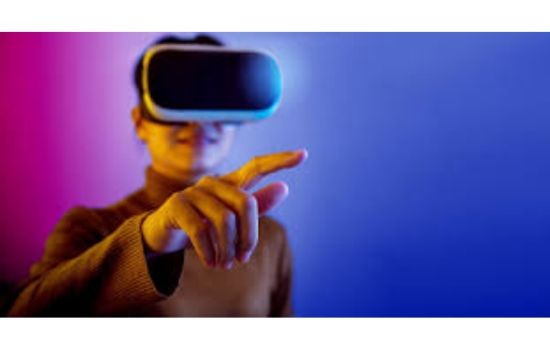
Virtual reality works for anxiety relief because it activates the same neural pathways as real experiences. When you put on a VR headset, your brain processes the visual and auditory information as if it were genuine, triggering authentic emotional and physiological responses. This phenomenon, known as “presence,” is what makes VR such a powerful therapeutic tool.
Research has demonstrated that VR exposure therapy can be as effective as traditional in-vivo exposure therapy for treating various anxiety disorders. The key difference is that VR offers complete control over the environment, allowing therapists and users to gradually increase exposure intensity at a comfortable pace. This controlled approach reduces the risk of overwhelming experiences that might worsen anxiety symptoms.
Neurological Impact of Virtual Environments
When experiencing anxiety in virtual reality, your amygdala responds similarly to real-world stressors. However, the prefrontal cortex—the rational part of your brain—maintains awareness that you’re in a safe, controlled setting. This dual processing creates an ideal learning environment where you can practice managing anxiety responses without actual danger.
Studies using functional MRI scans have shown that repeated VR exposure to anxiety-triggering situations leads to decreased amygdala activation over time. This neuroplasticity demonstrates that the brain can be retrained through virtual experiences, building new neural pathways that support calmer responses to stressors.
🎮 Types of VR Experiences for Anxiety Relief
Virtual reality applications for anxiety management come in various forms, each designed to address different aspects of anxiety disorders and cater to individual preferences and needs.
Exposure Therapy Simulations
These VR experiences recreate anxiety-inducing situations in controlled virtual environments. Whether it’s fear of heights, public speaking, flying, or social situations, exposure therapy apps allow gradual desensitization. Users can repeat scenarios multiple times, building confidence and reducing anxiety responses with each exposure.
The beauty of VR exposure therapy lies in its flexibility. A person with social anxiety can practice job interviews or networking events dozens of times before facing the real situation. Someone with a fear of flying can experience takeoff and landing repeatedly until the anxiety diminishes, all without leaving their home.
Mindfulness and Meditation Environments
Calming virtual environments transport users to peaceful settings—pristine beaches, serene forests, tranquil mountaintops, or even abstract spaces designed specifically for relaxation. These applications often incorporate guided meditation, breathing exercises, and biofeedback to enhance the anxiety-relief experience.
The immersive nature of VR makes it easier to achieve mindfulness states compared to traditional meditation. External distractions fade away when you’re surrounded by a peaceful virtual environment, allowing deeper focus on breathing, body awareness, and present-moment consciousness.
Cognitive Behavioral Therapy (CBT) Tools
Some VR applications integrate CBT techniques into interactive experiences. These programs help users identify negative thought patterns, challenge irrational beliefs, and practice positive self-talk within various virtual scenarios. The immersive format makes abstract CBT concepts more tangible and easier to apply in daily life.
💡 Practical Benefits of VR Anxiety Treatment
Virtual reality offers several advantages over traditional anxiety treatment methods, making it an increasingly popular complement to conventional therapy approaches.
Accessibility and Convenience
VR therapy can be accessed from home, eliminating barriers like transportation, scheduling conflicts, or geographical limitations. This convenience is particularly valuable for individuals whose anxiety makes leaving home challenging or for those living in areas with limited mental health resources.
The on-demand nature of VR applications means you can practice anxiety management techniques whenever symptoms arise, rather than waiting for your next therapy appointment. This immediate access provides a sense of control that itself can be anxiety-reducing.
Privacy and Comfort
Many people feel embarrassed about their anxiety symptoms or fear judgment when seeking treatment. VR applications offer complete privacy, allowing users to work through their anxiety without worrying about others observing their struggles. This privacy can encourage more authentic engagement with the therapeutic process.
Customization and Control
Virtual reality experiences can be tailored to individual needs and adjusted in real-time based on user responses. If a scenario becomes too overwhelming, it can be immediately modified or paused. This level of control helps prevent the negative experiences that sometimes occur with traditional exposure therapy, where real-world situations can’t be easily adjusted.
🏥 Clinical Applications and Professional Integration
Mental health professionals increasingly incorporate virtual reality into their treatment protocols, recognizing its value as both a standalone intervention and a complement to traditional therapy methods.
Psychologists and psychiatrists use VR in clinical settings to assess anxiety responses, demonstrate coping techniques, and provide guided exposure therapy. The technology allows therapists to observe patient reactions in real-time and adjust treatment accordingly, creating a collaborative therapeutic experience.
Evidence-Based Success Stories
Clinical trials have documented significant improvements in anxiety symptoms across various disorders. Veterans with PTSD have shown reduced symptoms after VR exposure therapy. Individuals with social anxiety disorder report increased confidence in social situations following VR practice sessions. Patients with specific phobias demonstrate measurable decreases in fear responses after virtual exposure treatments.
A meta-analysis of VR therapy studies found effect sizes comparable to traditional cognitive behavioral therapy, with some research suggesting even faster symptom reduction. These findings have encouraged wider adoption of VR technology in mental health treatment facilities and private practices.
🔍 Choosing the Right VR Solution for Your Needs
Selecting appropriate VR technology for anxiety relief requires consideration of several factors, including the type of anxiety you experience, your budget, and your comfort level with technology.
Hardware Considerations
VR experiences range from smartphone-based solutions using simple headsets to sophisticated standalone devices with advanced tracking capabilities. Smartphone-based VR offers an affordable entry point, while dedicated headsets like Oculus Quest, PlayStation VR, or HTC Vive provide more immersive experiences with better graphics and motion tracking.
For anxiety relief purposes, mid-range standalone headsets often provide the best balance of immersion, ease of use, and affordability. These devices don’t require computers or complicated setup procedures, reducing technical barriers that might create additional stress.
Application Selection
Numerous VR applications target anxiety relief, each with different approaches and features. Some focus specifically on exposure therapy for particular phobias, while others provide general relaxation and mindfulness experiences. Reading user reviews, checking for evidence-based approaches, and considering whether professional guidance is included can help identify quality applications.
Apps like TRIPP combine visual experiences, breathing exercises, and audio elements specifically designed for stress and anxiety reduction. These comprehensive approaches address multiple aspects of anxiety simultaneously, potentially increasing effectiveness.
⚠️ Important Considerations and Limitations
While virtual reality shows tremendous promise for anxiety relief, it’s important to approach this technology with realistic expectations and awareness of potential limitations.
Not a Complete Replacement for Traditional Treatment
VR should generally be viewed as a complement to, rather than a replacement for, professional mental health care. Severe anxiety disorders often require comprehensive treatment including therapy, medication, lifestyle changes, and sometimes inpatient care. Virtual reality can enhance these treatments but shouldn’t be relied upon as the sole intervention for serious conditions.
Potential Side Effects
Some users experience motion sickness, dizziness, or eye strain when using VR headsets, particularly during initial sessions. These symptoms typically decrease with acclimation but can be uncomfortable. Starting with shorter sessions and gradually increasing duration helps minimize these effects.
Additionally, individuals with certain conditions like epilepsy or severe dissociative disorders should consult healthcare providers before using VR, as the immersive experiences might trigger symptoms.
Digital Divide and Accessibility Issues
Despite increasing affordability, VR technology still requires financial investment that may be prohibitive for some individuals. Additionally, people with certain physical disabilities, visual impairments, or limited technological literacy may face barriers to using VR systems effectively.
🚀 The Future of Virtual Reality in Mental Health
The intersection of virtual reality and mental health care continues to evolve rapidly, with exciting developments on the horizon that promise even more effective anxiety management tools.
Artificial Intelligence Integration
Future VR applications will likely incorporate AI algorithms that adapt experiences in real-time based on biometric feedback like heart rate, breathing patterns, and skin conductance. These intelligent systems could automatically adjust difficulty levels, suggest personalized coping strategies, and provide more nuanced therapeutic interventions.
Enhanced Social Features
Multiplayer VR environments are being developed to address social anxiety through guided group therapy sessions and peer support experiences. These virtual spaces allow individuals to practice social interactions with real people in less intimidating settings, building skills that transfer to real-world situations.
Biofeedback and Wearable Integration
Connecting VR systems with wearable health devices creates powerful feedback loops. Users can see real-time visualizations of their physiological responses to anxiety triggers, learning to recognize early warning signs and practice regulation techniques while observing their effectiveness immediately.
🌟 Taking Your First Steps into VR Anxiety Relief
If you’re considering trying virtual reality for anxiety management, approaching it methodically increases your chances of success and positive experiences.
Start by researching applications that specifically address your type of anxiety. Read reviews from other users with similar concerns, and look for apps developed with input from mental health professionals. Many applications offer free trials or limited free versions, allowing you to test the experience before committing financially.
Consult with your therapist or healthcare provider about incorporating VR into your treatment plan. They may have recommendations for specific applications or can provide guidance on how to integrate VR experiences with your existing treatment approach.
Creating an Optimal Environment
Set up a safe, comfortable space for your VR sessions. Ensure you have adequate room to move without obstacles, comfortable seating if needed, and privacy to fully engage without self-consciousness. Schedule sessions when you’re unlikely to be interrupted, allowing yourself to fully immerse in the experience.
Setting Realistic Expectations
Like any anxiety treatment, VR requires consistency and patience. Initial sessions might feel awkward or only produce modest results. Improvement typically comes through repeated practice over weeks or months. Track your progress through journaling or symptom rating scales to recognize gradual improvements that might not be immediately obvious.
🎯 Maximizing Your VR Anxiety Relief Experience
Getting the most benefit from virtual reality anxiety treatment involves more than simply putting on a headset. Intentional practices enhance effectiveness and accelerate progress.
Practice regularly rather than sporadically. Like building physical fitness, anxiety management skills develop through consistent repetition. Even brief daily sessions often produce better results than occasional longer sessions.
Combine VR experiences with complementary practices like journaling, physical exercise, proper sleep, and healthy nutrition. Anxiety management works best with a holistic approach that addresses multiple contributing factors simultaneously.
Reflect on your experiences after each VR session. What triggered stronger anxiety responses? Which coping techniques felt most effective? What progress did you notice compared to previous sessions? This metacognitive awareness helps consolidate learning and informs future practice.
🌈 Embracing a Calmer Future Through Technology
Virtual reality represents a paradigm shift in how we understand and treat anxiety disorders. By creating safe spaces for confronting fears, practicing coping skills, and experiencing profound relaxation, VR technology empowers individuals to take active roles in their mental health management.
The immersive nature of virtual experiences engages both cognitive and emotional systems in ways that traditional treatments sometimes struggle to achieve. This multi-sensory approach aligns with how our brains naturally process information, potentially accelerating healing and skill development.
As the technology becomes more sophisticated, accessible, and integrated with professional mental health care, virtual reality will likely become a standard component of anxiety treatment. The combination of evidence-based therapeutic techniques with cutting-edge technology offers hope to millions of people seeking relief from the burden of chronic worry and fear.
Whether you’re struggling with specific phobias, generalized anxiety, social fears, or stress-related concerns, virtual reality provides new pathways toward peace of mind. By escaping into carefully designed virtual worlds, you’re not avoiding reality—you’re building the skills and resilience needed to face it with greater calm, confidence, and capability. The future of anxiety management is immersive, and it’s available now for those ready to take that first transformative step into a virtual world designed for healing.
