
Happiness isn’t just an abstract emotion—it’s a complex interplay of neurochemicals firing across billions of neurons, creating the sensations we interpret as joy, contentment, and well-being.

For centuries, philosophers pondered the nature of happiness while neuroscientists now illuminate its biological foundations. Understanding the neurochemical pathways that generate feelings of happiness empowers us to make informed choices about our mental health, lifestyle, and daily habits. This knowledge transforms happiness from a mysterious gift into something we can actively cultivate through deliberate actions and informed decisions.
The human brain operates as an incredibly sophisticated chemical factory, producing dozens of compounds that influence our mood, motivation, and perception of reality. When we experience moments of genuine joy—whether from achieving a goal, connecting with loved ones, or savoring a delicious meal—specific molecules flood our neural circuits, creating the unmistakable feeling we call happiness.
🧠 The Four Horsemen of Happiness: Primary Neurochemicals
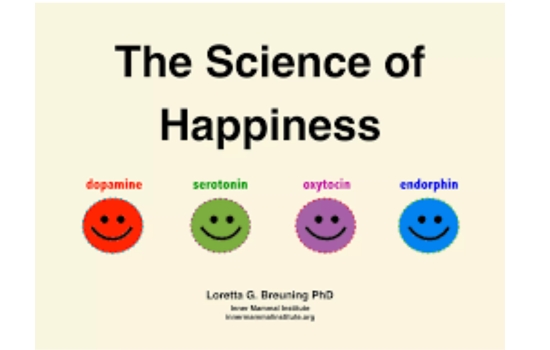
Scientists have identified four primary neurochemicals that play starring roles in our experience of happiness and well-being. Often called the “happiness chemicals,” these compounds work independently and synergistically to create various dimensions of positive emotional states.
Dopamine: The Reward Molecule
Dopamine serves as the brain’s primary reward chemical, creating feelings of pleasure, satisfaction, and motivation. This neurotransmitter activates when we accomplish tasks, receive recognition, or anticipate something enjoyable. The dopaminergic system evolved to reinforce behaviors that promote survival and reproduction, but in modern contexts, it responds to everything from social media notifications to completing work projects.
The mesolimbic pathway, often called the “reward pathway,” connects the ventral tegmental area to the nucleus accumbens and prefrontal cortex. When activated, this circuit generates intense feelings of pleasure and reinforces the behavior that triggered the release. This mechanism explains why achieving goals feels so satisfying and why we’re motivated to repeat actions that previously brought rewards.
However, dopamine’s role extends beyond simple pleasure. It fundamentally drives motivation and goal-directed behavior. Low dopamine levels correlate with apathy, lack of motivation, and difficulty experiencing pleasure—a condition called anhedonia often seen in depression. Conversely, balanced dopamine function supports focus, determination, and the ability to delay gratification for long-term rewards.
Serotonin: The Mood Stabilizer
Serotonin contributes to feelings of contentment, confidence, and overall emotional stability. This neurotransmitter regulates mood, sleep cycles, appetite, and social behavior. Approximately 90% of the body’s serotonin exists in the gastrointestinal tract, highlighting the important gut-brain connection in mental health.
The serotonergic system originates primarily in the raphe nuclei of the brainstem, projecting throughout the brain and spinal cord. Adequate serotonin levels promote emotional resilience, helping us maintain equilibrium when facing stress or disappointment. This neurochemical also influences our perception of social status and self-worth, with higher levels associated with feelings of respect and belonging.
Many antidepressant medications target serotonin pathways, specifically selective serotonin reuptake inhibitors (SSRIs) that increase serotonin availability in synaptic spaces. This pharmaceutical approach demonstrates serotonin’s crucial role in mood regulation and mental health maintenance.
Oxytocin: The Connection Chemical
Oxytocin facilitates social bonding, trust, and intimate relationships. Sometimes called the “love hormone” or “cuddle chemical,” oxytocin releases during physical touch, social interaction, and moments of emotional intimacy. This neuropeptide plays essential roles in maternal bonding, romantic attachment, and friendship formation.
The hypothalamus produces oxytocin, which the posterior pituitary gland releases into the bloodstream. It also acts as a neurotransmitter within the brain, influencing social cognition, empathy, and emotional recognition. Research shows that oxytocin reduces anxiety, lowers stress hormone levels, and enhances feelings of safety and security in social contexts.
Physical touch powerfully triggers oxytocin release—hugging, handholding, massage, and even petting animals elevates levels of this bonding chemical. This biological mechanism explains why social connection feels intrinsically rewarding and why isolation can be psychologically damaging.
Endorphins: Nature’s Pain Relievers
Endorphins function as the body’s natural opioids, producing feelings of euphoria while reducing pain perception. The term combines “endogenous” (produced within) and “morphine,” reflecting these compounds’ powerful analgesic and mood-elevating properties. The brain releases endorphins in response to pain, stress, exercise, and certain pleasurable activities.
The “runner’s high” phenomenon demonstrates endorphins in action—prolonged cardiovascular exercise triggers substantial endorphin release, creating temporary euphoria and reduced pain sensitivity. This mechanism evolved to help our ancestors push through physical challenges and injuries when survival demanded continued exertion.
Laughter also stimulates endorphin production, explaining why humor serves as such an effective stress-relief tool. Social laughter, in particular, generates stronger endorphin responses than solitary amusement, connecting this system to social bonding mechanisms.
🔬 Secondary Players in the Happiness Orchestra
Beyond the four primary happiness chemicals, numerous other neurochemicals contribute to our emotional experiences and overall sense of well-being.
GABA: The Calming Influence
Gamma-aminobutyric acid (GABA) serves as the brain’s primary inhibitory neurotransmitter, reducing neuronal excitability and promoting calmness. While not directly producing happiness, GABA creates the mental quiet necessary for contentment by counterbalancing excitatory signals. Low GABA levels associate with anxiety disorders, insomnia, and chronic stress.
Norepinephrine: The Alertness Enhancer
Norepinephrine increases alertness, focus, and energy levels while contributing to our stress response. In balanced amounts, this neurochemical enhances cognitive performance and creates feelings of vitality. It works closely with dopamine in reward processing and motivation, particularly during exciting or challenging activities.
Anandamide: The Bliss Molecule
Named after the Sanskrit word “ananda” meaning bliss, anandamide binds to the same receptors as cannabis compounds. This endocannabinoid contributes to feelings of joy, motivation, and pain regulation. Chocolate contains compounds that slow anandamide breakdown, potentially explaining chocolate’s mood-lifting reputation.
💡 The Neurochemical Pathway Architecture
These happiness chemicals don’t operate in isolation—they interact through complex networks creating the full spectrum of emotional experiences. The brain’s reward circuitry integrates signals from multiple neurochemical systems, processing them through structures including the prefrontal cortex, amygdala, hippocampus, and nucleus accumbens.
The prefrontal cortex serves as the executive control center, interpreting neurochemical signals and assigning meaning to experiences. This region helps distinguish between healthy pleasures and potentially harmful ones, though this function can be overwhelmed by particularly strong neurochemical responses.
The limbic system, particularly the amygdala, processes emotional significance and connects experiences with appropriate neurochemical responses. The hippocampus encodes memories of rewarding experiences, helping predict future pleasure and motivate behavior accordingly.
This interconnected architecture explains why happiness feels multidimensional—simultaneously embodying pleasure, meaning, connection, and contentment. Different combinations of neurochemicals create distinct emotional flavors: achievement-based satisfaction differs qualitatively from connection-based warmth or relaxation-induced peace.
🎯 Practical Applications: Activating Your Happiness Chemicals
Understanding neurochemical pathways empowers us to deliberately cultivate happiness through evidence-based practices. Different activities preferentially activate specific neurochemical systems, allowing targeted approaches to mood enhancement.
Dopamine Boosting Strategies
Setting and achieving small goals provides regular dopamine hits that build momentum and motivation. Breaking large projects into manageable tasks creates multiple reward opportunities. Celebrating progress, however small, reinforces the neurochemical feedback loop that sustains motivation.
Novel experiences and learning new skills stimulate dopamine production. The brain releases dopamine in response to unexpected rewards and new information, making exploration and curiosity neurochemically rewarding. This mechanism explains why travel, hobbies, and educational pursuits often enhance well-being.
Regular exercise increases dopamine receptor availability and production. Physical activity also enhances the brain’s sensitivity to dopamine, making rewards feel more rewarding even at baseline.
Serotonin Enhancement Techniques
Sunlight exposure significantly impacts serotonin production. Morning light exposure helps regulate circadian rhythms while boosting serotonin levels. Even 10-15 minutes of natural light daily can improve mood, particularly for those experiencing seasonal affective patterns.
Gratitude practices elevate serotonin levels while strengthening neural pathways associated with positive thinking. Regular reflection on positive experiences and blessings creates lasting neurochemical shifts that enhance baseline happiness.
Dietary tryptophan, serotonin’s precursor amino acid, supports healthy serotonin production. Foods like turkey, eggs, cheese, salmon, nuts, and seeds provide this essential building block. Combining tryptophan-rich foods with complex carbohydrates enhances absorption.
Oxytocin-Generating Activities
Physical affection with trusted others powerfully triggers oxytocin release. Hugging for at least 20 seconds, holding hands, and cuddling with partners, children, or pets all activate bonding chemistry. Regular physical connection should be prioritized as essential to mental health maintenance.
Acts of kindness and generosity stimulate oxytocin production in both giver and receiver. Volunteering, helping friends, or even holding doors for strangers creates neurochemical rewards that reinforce prosocial behavior.
Deep conversations and emotional vulnerability with trusted individuals enhance oxytocin while strengthening social bonds. Superficial interactions don’t trigger the same neurochemical responses as authentic connection.
Endorphin-Releasing Practices
Cardiovascular exercise remains the most reliable endorphin trigger. Activities that elevate heart rate for sustained periods—running, cycling, dancing, swimming—generate the strongest endorphin responses. The intensity threshold varies individually, but moderate-to-vigorous effort typically produces noticeable mood elevation.
Laughter therapy and comedy consumption stimulate endorphin release while reducing stress hormones. Social laughter provides stronger effects than solitary amusement, combining endorphin production with oxytocin bonding.
Certain foods, particularly dark chocolate and spicy peppers, trigger mild endorphin responses. Capsaicin in hot peppers creates a pain signal that prompts endorphin release, while chocolate contains compounds that enhance endorphin signaling.
⚖️ Balance and the Dark Side of Happiness Chemistry
While understanding happiness neurochemistry offers powerful tools for well-being, this knowledge also reveals potential pitfalls. The same reward pathways that motivate healthy behaviors can be hijacked by substances and activities that provide intense but ultimately harmful neurochemical stimulation.
Addictive substances and behaviors exploit dopamine pathways, creating unnaturally strong reward signals that overwhelm natural regulatory mechanisms. Over time, this hijacking can reduce the brain’s sensitivity to normal pleasures, requiring increasingly intense stimulation to achieve the same neurochemical response.
Social media platforms engineer addictive feedback loops by delivering unpredictable dopamine rewards through likes, comments, and notifications. This intermittent reinforcement schedule—the same pattern that makes gambling addictive—can disrupt healthy reward processing and reduce satisfaction from real-world experiences.
The key to sustainable happiness lies in activating neurochemical pathways through behaviors that genuinely serve long-term well-being. Natural rewards from achievement, connection, movement, and growth create balanced neurochemical responses that enhance rather than deplete baseline happiness capacity.
🌱 Nurturing Neurochemical Health: Lifestyle Foundations
Certain lifestyle factors fundamentally influence the brain’s ability to produce and utilize happiness chemicals effectively. These foundations create the biological conditions necessary for optimal neurochemical function.
Sleep: The Neurochemical Reset
Quality sleep allows the brain to restore neurochemical balance, clear metabolic waste, and maintain receptor sensitivity. Sleep deprivation disrupts virtually every neurotransmitter system, reducing happiness chemical production and effectiveness. Prioritizing 7-9 hours of quality sleep creates the foundation for healthy neurochemical function.
Nutrition: Building Blocks of Happiness
Neurotransmitters require specific amino acids, vitamins, and minerals for synthesis. Protein provides essential amino acids like tryptophan, tyrosine, and phenylalanine that serve as precursors to serotonin, dopamine, and norepinephrine. B vitamins, vitamin D, magnesium, and omega-3 fatty acids support neurochemical production and receptor function.
Stress Management: Protecting Neurochemical Systems
Chronic stress depletes neurochemical reserves while damaging the neural structures that produce and process happiness chemicals. Elevated cortisol interferes with dopamine and serotonin function, explaining why chronic stress so powerfully undermines well-being. Regular stress management practices protect neurochemical health.
🔮 The Future of Happiness Science
Neuroscience continues revealing new dimensions of happiness neurochemistry. Emerging research explores how the gut microbiome influences neurotransmitter production, with certain bacteria directly producing serotonin and other mood-regulating compounds. This discovery is revolutionizing our understanding of the gut-brain axis in mental health.
Advances in neuroimaging allow researchers to observe happiness pathways in real-time, mapping exactly how different experiences activate specific neural circuits. This technology enables increasingly personalized approaches to mental health, identifying individual neurochemical signatures and tailoring interventions accordingly.
Genetic research reveals why happiness chemicals affect people differently. Variations in neurotransmitter receptor genes, enzyme production, and reuptake mechanisms explain individual differences in baseline happiness, resilience, and responses to specific mood-enhancing activities.
🌟 Embracing the Chemistry of Joy
Understanding happiness neurochemistry doesn’t reduce joy to mere molecules—it illuminates the biological foundations that make transcendent experiences possible. This knowledge empowers us to become active participants in our emotional well-being rather than passive recipients of whatever moods arise.
The neurochemical perspective reveals happiness as simultaneously biological and experiential, chemical and meaningful. Dopamine, serotonin, oxytocin, and endorphins create the physical sensations we interpret as joy, but our consciousness transforms these signals into rich, meaningful experiences that define human flourishing.
By aligning our daily choices with neurochemical realities, we can systematically cultivate conditions for sustainable happiness. Movement, connection, achievement, gratitude, rest, and nourishment aren’t merely pleasant—they’re neurochemically necessary for optimal well-being.
The science of happiness doesn’t provide a magic formula or guarantee perpetual bliss. Instead, it offers a framework for understanding why certain practices enhance well-being while others deplete it. This understanding transforms happiness from an elusive mystery into a skill we can develop through consistent, informed practice.
Your brain possesses extraordinary capacity for generating happiness chemicals in response to healthy behaviors and meaningful experiences. By understanding and respecting these neurochemical pathways, you unlock your innate potential for joy, creating a life characterized by genuine well-being and sustainable contentment. The chemistry of happiness isn’t just fascinating science—it’s practical wisdom for living well. 🧬✨
