
Your brain is not a static organ—it’s a dynamic, ever-evolving network capable of remarkable transformation throughout your entire life. This incredible ability is what we call neuroplasticity.

🧠 The Revolutionary Science Behind Brain Transformation
For decades, scientists believed that the brain we were born with was essentially the brain we were stuck with. This outdated notion has been completely overturned by modern neuroscience. Today, we understand that our brains possess an extraordinary capacity for growth, adaptation, and reconnection at any age.
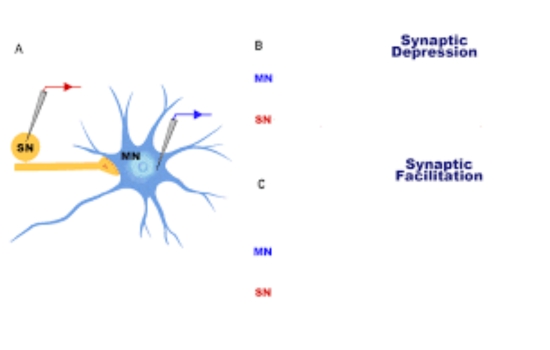
Synaptic growth refers to the development of new connections between neurons, the specialized cells that transmit information throughout your nervous system. These connections, called synapses, form the foundation of everything you think, feel, learn, and remember. When you strengthen existing synapses or create new ones, you’re literally rewiring your brain’s circuitry.
This process isn’t just theoretical—it’s happening in your brain right now as you read these words. Every new experience, every skill you practice, and every thought you cultivate creates physical changes in your neural architecture.
Understanding the Mechanics of Synaptic Connections
To truly appreciate your brain’s potential, it’s essential to understand how synaptic connections actually work. Your brain contains approximately 86 billion neurons, and each neuron can form thousands of synaptic connections with other neurons. This creates a network of staggering complexity—far more intricate than any computer system ever designed.
When neurons communicate, they release chemical messengers called neurotransmitters across the tiny gaps between cells. These chemical signals trigger electrical responses in receiving neurons, creating chains of activation that underlie every aspect of your consciousness and behavior.
The strength of these connections isn’t fixed. When you repeatedly activate certain neural pathways—whether through learning a language, practicing an instrument, or developing a new habit—those connections become stronger and more efficient. This is the principle behind the famous neuroscience phrase: “neurons that fire together, wire together.”
The Pruning Process: Quality Over Quantity
Interestingly, brain optimization isn’t just about adding new connections. Your brain also engages in synaptic pruning, eliminating weak or unused connections to increase overall efficiency. This might sound counterproductive, but it’s actually essential for optimal cognitive function.
Think of your brain like a garden. To help the most important plants thrive, you need to remove weeds and trim back overgrowth. Similarly, your brain strengthens the neural pathways you use frequently while pruning away those you rarely activate. This is why consistent practice is so crucial for mastery in any domain.
🚀 Practical Strategies to Accelerate Synaptic Growth
Understanding the theory is fascinating, but the real power comes from applying this knowledge to enhance your cognitive abilities. Here are evidence-based strategies that promote robust synaptic growth and neural reconnection.
Challenge Your Brain With Novel Experiences
Novelty is one of the most powerful stimulants for synaptic growth. When you encounter new situations, learn unfamiliar skills, or explore different environments, your brain responds by forming new neural connections to process and store this information.
This doesn’t mean you need to make dramatic life changes. Simple modifications to your routine can provide significant cognitive benefits. Try taking a different route to work, learning a few words in a new language, cooking an unfamiliar recipe, or exploring a topic outside your usual interests.
The key is consistent exposure to novelty rather than occasional dramatic changes. Even small daily variations keep your brain in a state of adaptive growth rather than comfortable stagnation.
Physical Exercise: The Brain’s Best Friend
If there were a single pill that could enhance memory, boost mood, increase focus, and promote new brain cell growth, it would be considered a miracle drug. That “pill” exists—it’s called exercise, and it’s completely free.
Aerobic exercise increases blood flow to your brain, delivering more oxygen and nutrients to support neural health. It also triggers the release of brain-derived neurotrophic factor (BDNF), a protein that acts like fertilizer for your neurons, promoting the growth of new brain cells and strengthening synaptic connections.
Research consistently shows that people who exercise regularly have larger hippocampi—the brain region critical for memory formation—and better cognitive performance across multiple domains. You don’t need to become a marathon runner; even 30 minutes of moderate exercise most days of the week can produce substantial benefits.
Quality Sleep: When Your Brain Does Its Best Work
While you sleep, your brain is anything but idle. Sleep is when your brain consolidates memories, clears metabolic waste, and strengthens the neural connections formed during waking hours. Cutting sleep short doesn’t just make you tired—it literally prevents your brain from completing essential maintenance and growth processes.
During deep sleep stages, your brain replays the day’s experiences, transferring information from short-term to long-term storage and integrating new knowledge with existing mental frameworks. During REM sleep, your brain makes creative connections between seemingly unrelated concepts, which is why solutions to problems often appear after “sleeping on it.”
Prioritizing 7-9 hours of quality sleep isn’t laziness—it’s one of the most productive things you can do for your cognitive enhancement and synaptic health.
🎯 Targeted Learning Techniques for Maximum Neural Impact
Not all learning is created equal when it comes to promoting synaptic growth. Certain approaches are significantly more effective at creating lasting neural changes.
Spaced Repetition: The Science of Optimal Review
Cramming might help you pass tomorrow’s test, but it does little for long-term synaptic strengthening. Spaced repetition—reviewing information at gradually increasing intervals—is far more effective for creating durable neural connections.
This technique works with your brain’s natural forgetting curve. By reviewing material just as you’re about to forget it, you force your brain to work harder to retrieve the information, which strengthens the associated neural pathways. Each successful retrieval makes the connection stronger and more resistant to decay.
Modern apps leverage this principle to optimize learning efficiency, scheduling reviews at scientifically-determined intervals for maximum retention with minimum study time.
Active Recall: Strengthening Through Retrieval
Passive reviewing—simply reading or listening to information repeatedly—creates relatively weak neural connections. Active recall—forcing yourself to retrieve information from memory—creates much stronger synaptic bonds.
Instead of re-reading your notes, close them and try to write down everything you remember. Instead of listening to a podcast passively, pause periodically and summarize the key points aloud. This retrieval practice might feel more difficult, but that difficulty is precisely what drives robust synaptic growth.
Interleaving: Mixing for Better Mastery
Traditional learning often involves blocking—practicing one skill repeatedly before moving to the next. Interleaving—mixing different types of problems or skills within a single practice session—feels harder but produces superior long-term results.
When you interleave, your brain must actively discriminate between different concepts and determine which approach to apply. This additional cognitive work strengthens neural connections more effectively than repetitive blocking and improves your ability to apply knowledge flexibly in new situations.
💪 Lifestyle Factors That Support Neural Reconnection
Your daily habits create the environment in which your neurons either thrive or struggle. These lifestyle factors significantly impact your brain’s capacity for growth and reconnection.
Nutrition: Feeding Your Neurons
Your brain consumes approximately 20% of your body’s energy despite representing only 2% of your body weight. The quality of fuel you provide directly impacts neural function and synaptic health.
Omega-3 fatty acids, particularly DHA, are essential components of neural membranes and support synaptic plasticity. Antioxidant-rich foods help protect neurons from oxidative stress. B vitamins support neurotransmitter production. Complex carbohydrates provide steady glucose for sustained cognitive function.
A brain-healthy diet doesn’t require exotic superfoods. Focus on whole foods: fatty fish, colorful vegetables, berries, nuts, seeds, and whole grains. Minimize processed foods, excessive sugar, and trans fats, which promote inflammation that can impair neural function.
Social Connection: Your Brain on Relationships
Humans are profoundly social creatures, and our brains reflect this reality. Meaningful social interactions activate multiple brain regions simultaneously, promoting synaptic growth across diverse neural networks.
Engaging conversations require you to process language, interpret emotional cues, consider others’ perspectives, and formulate responses—a complex cognitive workout. Quality relationships also buffer stress, which otherwise can impair neuroplasticity and even damage brain structures over time.
Loneliness and social isolation aren’t just emotionally painful—they’re neurologically damaging. Prioritizing genuine social connections isn’t a luxury; it’s essential brain maintenance.
Stress Management: Protecting Your Neural Infrastructure
Chronic stress is one of the most significant threats to synaptic health. Prolonged elevation of stress hormones like cortisol can actually shrink the hippocampus and impair the formation of new neural connections.
Effective stress management isn’t about eliminating all stress—which is impossible and undesirable—but about developing resilience and recovery capacity. Practices like meditation, deep breathing, time in nature, and maintaining perspective help regulate your stress response and protect your brain’s growth potential.
Mindfulness meditation, in particular, has been shown to increase gray matter density in brain regions associated with learning, memory, and emotional regulation. Just 10-15 minutes daily can produce measurable structural changes within weeks.
🌟 Breaking Through Mental Plateaus
Even with excellent habits, everyone occasionally experiences periods where progress seems to stall. Understanding how to navigate these plateaus is crucial for sustained cognitive development.
The Plateau Paradox: Growth Hidden From View
Plateaus often aren’t actually periods of stagnation—they’re consolidation phases where your brain is integrating recent learning and strengthening neural pathways behind the scenes. Visible progress may pause while invisible neural restructuring continues.
During these periods, maintain your practice even when immediate results aren’t apparent. The synaptic strengthening happening beneath the surface will eventually manifest as a sudden leap in capability—the classic breakthrough moment that follows persistent effort.
Varying Your Approach: Shocking Your Neural System
If you’ve been using the same learning methods for extended periods, your brain may have adapted to them, reducing their effectiveness. Introducing variation can reignite rapid synaptic growth.
If you’ve been studying alone, join a study group. If you’ve been reading, try teaching the material to someone else. If you’ve been practicing skills in isolation, apply them in real-world contexts. These variations force your brain to form new connections and perspectives on existing knowledge.
🔬 Emerging Technologies and Future Possibilities
While lifestyle interventions remain the foundation of brain enhancement, emerging technologies offer intriguing possibilities for accelerating synaptic growth and reconnection.
Neurofeedback training allows individuals to observe their brain activity in real-time and learn to modulate it consciously. Transcranial magnetic stimulation shows promise for treating depression and potentially enhancing cognitive function. Brain-computer interfaces are evolving rapidly, suggesting future possibilities for direct neural enhancement.
However, these technologies are still developing, and their long-term effects remain under investigation. The proven strategies—challenging learning, physical exercise, quality sleep, proper nutrition, and stress management—remain the most reliable path to unlocking your brain’s potential.
💡 Your Personalized Brain Growth Blueprint
Understanding principles is valuable, but transformation requires personalized application. Your optimal approach depends on your current cognitive baseline, goals, lifestyle constraints, and individual brain chemistry.
Start by identifying one or two high-impact changes you can implement consistently. Perhaps commit to 20 minutes of daily exercise, or establish a firm sleep schedule, or dedicate time each day to learning something genuinely new. Small, sustainable changes compound into remarkable transformations over time.
Track your subjective experience—energy levels, mood, focus capacity, and learning speed. Your brain provides constant feedback if you pay attention. Adjust your approach based on these signals rather than rigidly following generic prescriptions.
Remember that synaptic growth is a gradual process. Neural connections strengthen through repeated activation over weeks and months, not overnight. Patience combined with consistency is the formula for profound cognitive enhancement.
🎓 The Lifelong Journey of Neural Optimization
Perhaps the most empowering insight from modern neuroscience is that your cognitive potential isn’t fixed at birth or in early childhood. Your brain retains remarkable plasticity throughout your entire lifespan, capable of forming new connections and adapting to challenges at any age.
This means it’s never too late to learn a new language, develop a creative skill, change ingrained habits, or recover from cognitive setbacks. The strategies that promote synaptic growth work across the age spectrum, though older brains may require more repetition and slightly longer timeframes.
The key is maintaining a growth mindset—believing that abilities can be developed through dedication and practice. This belief itself influences neural plasticity, as people with growth mindsets persist longer through challenges and thereby provide their brains more opportunities for synaptic strengthening.
Your brain is the most complex structure in the known universe, containing more potential connections than there are atoms in the galaxy. You carry this extraordinary organ with you every day, and every choice you make either supports or hinders its growth potential.
By understanding the mechanisms of synaptic growth and reconnection, and by implementing evidence-based strategies to promote neuroplasticity, you can literally reshape your brain’s structure and expand your cognitive capabilities. This isn’t metaphorical self-improvement—it’s biological transformation grounded in neuroscience.
The journey of cognitive enhancement never truly ends. Each new skill mastered opens doors to further possibilities. Each neural connection strengthened makes future learning easier. You’re not working toward a fixed destination but engaging in a lifelong process of becoming increasingly capable, adaptable, and mentally resilient.
Your brain’s potential is vast and largely untapped. The question isn’t whether you can enhance your cognitive abilities—neuroscience confirms you absolutely can. The question is whether you’ll apply these insights consistently enough to unlock the remarkable capabilities waiting within your own neural networks. The power to transform your brain is entirely in your hands. ✨
