
Learning a second language isn’t just about communication—it’s about transforming your brain’s architecture and unlocking cognitive abilities you never knew existed. 🧠

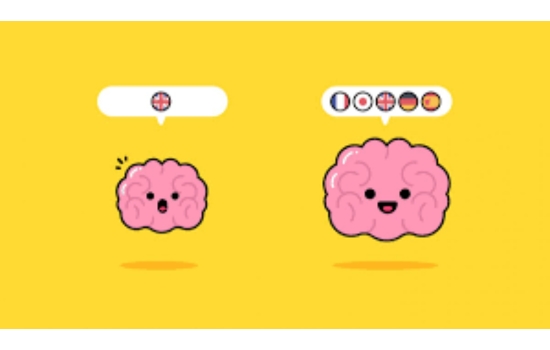
In our increasingly interconnected world, bilingualism has become more than a practical skill; it’s a powerful tool for cognitive enhancement. The ability to speak multiple languages doesn’t simply expand your vocabulary—it fundamentally rewires your neural pathways, creating a more flexible, resilient, and adaptive brain. Recent neuroscience research has revealed that bilingual individuals possess unique cognitive advantages that extend far beyond language processing, affecting everything from problem-solving to emotional regulation and even delaying age-related cognitive decline.
The science behind bilingualism reveals a fascinating story of brain plasticity and adaptation. When you engage with multiple languages, you’re essentially giving your brain a comprehensive workout that strengthens neural connections and builds cognitive reserve. This article explores the remarkable ways bilingualism shapes our minds and why learning a second language might be one of the best decisions you can make for your brain health.
The Neuroscience Behind Bilingual Brains 🔬
When neuroscientists examine bilingual brains using advanced imaging technology, they discover something remarkable: these brains show distinct structural and functional differences compared to monolingual brains. The gray matter density in regions responsible for language processing, executive function, and cognitive control is notably increased in individuals who regularly use two or more languages.
The prefrontal cortex, which governs decision-making and complex thinking, shows enhanced connectivity in bilingual individuals. This region acts as the brain’s control center, managing attention, inhibiting irrelevant information, and switching between tasks. When you speak multiple languages, you’re constantly exercising these executive functions, even when using just one language at a time.
Research from institutions like McGill University and Northwestern University has demonstrated that bilingual brains exhibit increased white matter integrity. White matter consists of nerve fibers that facilitate communication between different brain regions. Better white matter means faster and more efficient neural communication, translating to quicker cognitive processing and enhanced mental flexibility.
The Cognitive Control Advantage
One of the most significant benefits of bilingualism lies in enhanced cognitive control. Bilingual individuals must constantly manage two active language systems, selecting the appropriate language while suppressing the other. This continual mental juggling act strengthens the brain’s executive control system, creating what researchers call the “bilingual advantage.”
This advantage manifests in various ways throughout daily life. Bilingual people typically demonstrate superior abilities in:
- Task switching and multitasking efficiency
- Selective attention and focus maintenance
- Conflict resolution and problem-solving
- Working memory capacity and mental manipulation of information
- Inhibitory control and impulse management
These skills extend beyond language use, improving performance in academic settings, professional environments, and everyday decision-making scenarios. The brain’s enhanced ability to filter relevant information while ignoring distractions becomes a transferable skill applicable to numerous life domains.
Neural Flexibility: Your Brain’s Superpower 💪
Neural flexibility, also known as cognitive flexibility or mental agility, refers to the brain’s capacity to adapt thinking and behavior in response to changing environmental demands. This adaptability is crucial for learning, creativity, and psychological resilience. Bilingualism naturally cultivates this flexibility through constant language switching and adaptation to different linguistic contexts.
When bilingual individuals navigate between languages, they engage multiple neural networks simultaneously. This practice strengthens the brain’s ability to reorganize and form new connections—a property called neuroplasticity. Enhanced neuroplasticity means your brain can more readily adapt to new challenges, learn novel skills, and recover from injuries or stress.
The Creativity Connection
Research published in the Journal of Creative Behavior has shown that bilingual individuals often score higher on measures of creative thinking, particularly divergent thinking tasks that require generating multiple solutions to open-ended problems. This creativity boost stems from the mental flexibility developed through managing multiple linguistic systems.
When you think in different languages, you access different conceptual frameworks and cultural perspectives. This linguistic diversity enriches your cognitive repertoire, allowing you to approach problems from various angles and generate more innovative solutions. The bilingual brain becomes accustomed to thinking outside conventional boundaries, making unusual connections that monolingual thinkers might miss.
Building Cognitive Reserve Against Aging 🛡️
Perhaps one of the most compelling reasons to embrace bilingualism is its protective effect against cognitive decline. Multiple longitudinal studies have demonstrated that bilingual individuals develop symptoms of dementia and Alzheimer’s disease four to five years later than their monolingual counterparts, even when controlling for education, income, and health status.
This remarkable protection comes from cognitive reserve—the brain’s resilience against age-related damage. Years of managing multiple languages build robust neural networks with redundant pathways. When some pathways deteriorate with age, bilingual brains can compensate by utilizing alternative routes, maintaining cognitive function longer.
Dr. Ellen Bialystok’s groundbreaking research at York University revealed that bilingualism doesn’t prevent brain pathology but allows individuals to function normally despite the presence of disease markers. The enhanced neural density and connectivity act as a buffer, enabling the brain to maintain performance even as underlying damage accumulates.
Starting at Any Age
The good news is that you don’t need to be a childhood bilingual to reap these benefits. While early language learning provides certain advantages, adult learners can still achieve significant cognitive improvements. The key lies in consistent practice and meaningful engagement with the language.
Adult language learning stimulates neurogenesis—the creation of new neurons—and promotes synaptic plasticity throughout the brain. Even moderate proficiency in a second language can enhance cognitive control and contribute to cognitive reserve, though greater proficiency generally yields more substantial benefits.
Emotional Intelligence and Cultural Awareness 🌍
Bilingualism extends beyond cognitive benefits into emotional and social domains. When you learn a language, you don’t just memorize words and grammar rules—you absorb cultural nuances, social norms, and different ways of expressing emotion. This cultural immersion enhances emotional intelligence and perspective-taking abilities.
Studies indicate that bilingual individuals demonstrate greater empathy and theory of mind—the ability to understand others’ mental states and perspectives. This enhancement likely results from regularly navigating different cultural contexts and communication styles, which requires sensitivity to subtle social cues and flexibility in interpersonal interactions.
Interestingly, research has shown that people sometimes feel like different personalities when speaking different languages. This phenomenon occurs because each language carries unique cultural values, communication styles, and emotional associations. This linguistic identity flexibility can enhance self-awareness and provide valuable perspective on one’s thoughts and behaviors.
Practical Strategies for Language Learning Success 📚
Understanding the benefits of bilingualism is one thing; actually achieving fluency is another. Modern technology has democratized language learning, making it more accessible than ever. Here are evidence-based strategies to maximize your language learning journey:
Immersion Over Translation
The most effective language learners think directly in their target language rather than translating from their native tongue. This approach builds authentic neural pathways for the new language, improving fluency and reducing cognitive load. Watch media in your target language, read books, and engage with native speakers whenever possible.
Spaced Repetition Systems
Your brain consolidates memories most effectively when information is reviewed at strategic intervals. Spaced repetition algorithms optimize this process by presenting material just before you’re likely to forget it, strengthening long-term retention. Many language learning apps incorporate this scientifically-proven technique.
Multimodal Learning
Engage multiple senses in your language practice. Combine reading, listening, speaking, and writing activities. This multimodal approach creates richer neural representations and more robust memory traces. Sing songs, have conversations, write journal entries, and listen to podcasts in your target language.
Consistency Over Intensity
Daily 20-minute practice sessions yield better results than weekend marathon study sessions. Consistent exposure maintains active neural pathways and prevents skill decay. Build language practice into your daily routine—during commutes, lunch breaks, or before bed.
The Professional Edge: Bilingualism in Career Development 💼
Beyond cognitive benefits, bilingualism offers tangible professional advantages in our globalized economy. Employers increasingly value multilingual employees who can communicate across cultural boundaries, access international markets, and bring diverse perspectives to problem-solving.
Job postings requiring language skills often command salary premiums ranging from 5% to 20% above equivalent monolingual positions. Industries such as healthcare, technology, international business, diplomacy, and education particularly value bilingual professionals. The ability to serve multilingual clients or coordinate with international teams makes you an invaluable asset.
Moreover, the cognitive skills developed through bilingualism—enhanced focus, superior problem-solving, cultural sensitivity, and mental flexibility—transfer directly to workplace competencies. These executive function skills contribute to leadership effectiveness, innovative thinking, and adaptive performance in rapidly changing business environments.
Overcoming Common Challenges and Myths 🚧
Despite overwhelming evidence supporting bilingualism’s benefits, several myths persist that discourage language learners. Let’s address these misconceptions:
The “Too Late” Myth
Many adults believe they’ve missed the critical period for language learning. While children do possess certain acquisition advantages, adults bring unique strengths including metalinguistic awareness, study strategies, and motivation. Adult brains remain remarkably plastic, capable of achieving high proficiency with appropriate methods and consistent practice.
The Confusion Concern
Parents sometimes worry that raising children bilingually will cause language confusion or delays. Research conclusively demonstrates that bilingual children develop normally, and any temporary mixing phases represent sophisticated linguistic experimentation rather than confusion. Bilingual children ultimately demonstrate cognitive advantages that far outweigh minor early adjustments.
The Perfection Paralysis
Many learners abandon their language journey because they don’t achieve native-like fluency. However, even intermediate proficiency provides cognitive benefits and practical utility. Focus on functional communication rather than perfection. The brain benefits emerge from the learning process itself, not just the end result.
Maximizing Your Bilingual Journey 🎯
To fully unlock your brain’s potential through bilingualism, approach language learning as a lifelong journey rather than a destination. Set realistic goals, celebrate progress, and maintain curiosity about the language and culture you’re exploring.
Create a personalized learning ecosystem that combines structured study with enjoyable, meaningful interactions. Connect with language exchange partners, join cultural groups, travel when possible, and consume authentic media. The more you integrate the language into your identity and daily life, the more profound the cognitive transformations become.
Track your progress not just in language proficiency but in transferable cognitive skills. Notice improvements in your ability to focus, switch between tasks, or think creatively. These metacognitive observations reinforce motivation and highlight the broader benefits of your linguistic investment.
The Ripple Effects of a Multilingual Mind 🌊
Ultimately, bilingualism represents more than a practical skill or cognitive enhancement—it’s a gateway to expanded consciousness and human connection. Each language you learn opens new worlds of literature, philosophy, humor, and human experience. You gain access to different ways of conceptualizing reality, enriching your understanding of the human condition.
The neural flexibility developed through bilingualism makes you more adaptable in every sphere of life. You become better equipped to handle uncertainty, embrace change, and navigate complexity. In our rapidly evolving world, these adaptive capacities are increasingly valuable, perhaps even essential.
Moreover, multilingualism builds bridges between communities, fostering understanding across cultural divides. In an era of global challenges requiring collective action, the ability to communicate and empathize across linguistic boundaries carries profound social significance. Your bilingual brain doesn’t just benefit you—it contributes to a more connected, compassionate world.
The journey toward bilingualism challenges you to embrace vulnerability, persist through difficulty, and continuously expand your capabilities. This growth mindset, cultivated through language learning, becomes a template for approaching other life challenges. You develop confidence in your ability to master complex skills and adapt to unfamiliar situations.
As neuroscience continues revealing the remarkable plasticity of the human brain, bilingualism stands out as one of the most accessible and effective tools for cognitive enhancement. You don’t need expensive interventions or specialized equipment—just commitment, curiosity, and consistent practice. The investment you make in language learning pays dividends throughout your lifetime, protecting your brain against aging while expanding your professional opportunities, cultural horizons, and cognitive capabilities.
Start today, regardless of your age or previous language experience. Choose a language that excites you, whether for practical reasons, cultural interest, or personal connection. Embrace the challenges as opportunities for growth, and remember that every word learned, every conversation attempted, and every mistake made is building a stronger, more flexible, more resilient brain. Your multilingual future awaits—one that promises not just communication across borders but transformation within yourself. 🚀
