
The quest for maintaining youthfulness extends beyond cosmetic interventions, delving deep into the fascinating science of neuroplasticity and how aging populations can harness this remarkable capability.

🧠 The Revolutionary Science Behind Brain Plasticity in Later Life
For decades, conventional wisdom suggested that our brains became fixed and unchangeable after early adulthood. This pessimistic view relegated aging to an inevitable decline in cognitive function, memory, and learning capacity. However, groundbreaking neuroscience research has completely revolutionized our understanding of the aging brain, revealing that neuroplasticity—the brain’s ability to reorganize itself by forming new neural connections—continues throughout our entire lifespan.
Neuroplasticity represents one of the most empowering discoveries in modern neuroscience. It demonstrates that our brains remain dynamic, adaptable organs capable of growth, learning, and transformation regardless of chronological age. This biological phenomenon opens unprecedented opportunities for aging populations to maintain cognitive vitality, develop new skills, and even recover from neurological injuries that were previously considered permanent.
The implications extend far beyond individual health outcomes. Understanding and leveraging plasticity in aging populations could transform healthcare systems, redefine retirement, and fundamentally alter societal perceptions about what it means to grow older. Rather than accepting decline as inevitable, we can actively cultivate continued growth and development throughout our golden years.
Understanding the Mechanisms: How Plasticity Works in Aging Brains
The human brain contains approximately 86 billion neurons, each capable of forming thousands of connections with other neurons. These connections, called synapses, create intricate networks that underlie all our thoughts, memories, emotions, and behaviors. Neuroplasticity occurs when these synaptic connections strengthen, weaken, or reorganize in response to experiences, learning, and environmental demands.
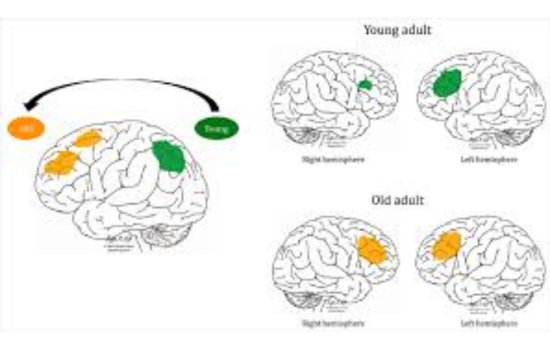
While it’s true that certain aspects of plasticity decline with age—such as the raw speed of forming new connections or the density of gray matter—research reveals that older brains compensate through different mechanisms. Aging brains often demonstrate enhanced connectivity between different brain regions, creating more integrated networks that can process information holistically rather than in isolated modules.
The concept of “cognitive reserve” plays a crucial role in understanding plasticity in aging populations. Cognitive reserve refers to the brain’s resilience and its ability to improvise and find alternative ways of completing tasks when faced with challenges. Individuals who have built substantial cognitive reserve throughout their lives through education, complex occupations, and mentally stimulating activities show greater resistance to age-related cognitive decline and neurodegenerative diseases.
The Molecular Foundation of Continued Plasticity
At the molecular level, several key factors support continued plasticity in aging brains. Brain-derived neurotrophic factor (BDNF) serves as a critical protein that promotes the survival of existing neurons and encourages the growth of new neurons and synapses. While BDNF levels naturally decline with age, research demonstrates that specific lifestyle interventions can boost BDNF production even in older adults.
Additionally, the process of neurogenesis—the birth of new neurons—continues in specific brain regions, particularly the hippocampus, which is essential for memory formation and spatial navigation. This discovery challenged the long-held belief that humans are born with all the neurons they’ll ever have, opening new avenues for therapeutic interventions targeting age-related cognitive decline.
💪 Practical Strategies to Enhance Plasticity as We Age
Understanding the theoretical foundations of neuroplasticity provides little benefit without actionable strategies to harness this potential. Fortunately, extensive research has identified numerous evidence-based interventions that can enhance brain plasticity in aging populations, many of which are accessible and cost-effective.
Physical Exercise: The Cornerstone of Cognitive Vitality
Physical activity stands as perhaps the most powerful intervention for promoting neuroplasticity in aging adults. Aerobic exercise increases blood flow to the brain, stimulates the release of growth factors like BDNF, reduces inflammation, and promotes the formation of new neurons in the hippocampus. Studies consistently demonstrate that regular exercise improves memory, executive function, and processing speed in older adults.
The benefits aren’t limited to intense workouts. Moderate activities such as brisk walking, swimming, cycling, or dancing provide substantial cognitive benefits. The key lies in consistency rather than intensity—engaging in physical activity for at least 150 minutes per week appears optimal for brain health. Combining aerobic exercise with resistance training and balance exercises offers comprehensive benefits for both body and mind.
Cognitive Training and Novel Learning Experiences
Engaging the brain through challenging mental activities stimulates neuroplasticity by strengthening existing neural pathways and creating new connections. However, not all cognitive activities are equally effective. The most beneficial activities share common characteristics: they’re novel, complex, progressively challenging, and personally meaningful.
Learning a new language exemplifies an ideal plasticity-enhancing activity. It engages multiple cognitive systems simultaneously, including memory, attention, auditory processing, and executive control. Research shows that bilingual older adults often demonstrate better cognitive resilience and delayed onset of dementia symptoms compared to monolingual peers.
Musical training offers similarly powerful benefits. Learning to play an instrument requires integrating sensory input, motor coordination, emotional expression, and memory—creating rich, multimodal brain activity that strengthens connectivity across diverse brain regions. Even individuals who begin musical training in their 60s or 70s show measurable improvements in cognitive function.
🎯 The Social Dimension: Relationships as Brain Training
Human beings are fundamentally social creatures, and our brains have evolved to navigate complex social landscapes. Maintaining rich social connections throughout aging provides powerful stimulation for neuroplasticity. Social interactions require processing verbal and non-verbal cues, regulating emotions, perspective-taking, and adapting behavior in response to others—all cognitively demanding activities that keep neural networks active and flexible.
Longitudinal studies reveal that socially engaged older adults show slower rates of cognitive decline and reduced risk of dementia compared to socially isolated peers. The protective effects of social connection appear comparable to other well-established interventions like physical exercise. Quality matters more than quantity—meaningful relationships that provide emotional support and intellectual stimulation offer the greatest benefits.
Intergenerational connections deserve special mention. Interactions between older adults and younger generations create unique opportunities for mutual learning and growth. Grandparents who actively engage with grandchildren, mentors who guide younger colleagues, and older adults who volunteer with youth organizations all report enhanced life satisfaction and cognitive vitality.
Nutrition: Feeding the Plastic Brain
The connection between nutrition and brain plasticity has gained increasing scientific attention. The brain consumes approximately 20% of the body’s energy despite representing only 2% of body weight, making it particularly sensitive to nutritional factors. Specific dietary patterns and nutrients have demonstrated particular promise for supporting neuroplasticity in aging populations.
The Mediterranean and MIND Diets
The Mediterranean diet, characterized by abundant vegetables, fruits, whole grains, legumes, olive oil, fish, and moderate wine consumption, consistently associates with better cognitive outcomes in aging populations. The MIND diet (Mediterranean-DASH Intervention for Neurodegenerative Delay) specifically targets brain health by emphasizing foods shown to protect against cognitive decline.
Key nutritional components that support brain plasticity include:
- Omega-3 fatty acids: Found in fatty fish, these essential fats are crucial for maintaining neuronal membrane integrity and supporting synaptic function.
- Antioxidants: Berries, dark leafy greens, and colorful vegetables combat oxidative stress that can damage brain cells.
- B vitamins: Particularly B6, B12, and folate, which support neurotransmitter production and reduce homocysteine levels associated with cognitive decline.
- Polyphenols: Found in tea, coffee, dark chocolate, and many fruits, these compounds have neuroprotective properties.
- Vitamin D: Increasingly recognized as important for brain health, with deficiency linked to cognitive impairment.
😴 Sleep: The Unsung Hero of Brain Plasticity
Quality sleep represents a non-negotiable requirement for optimal brain plasticity. During sleep, the brain consolidates memories, clears metabolic waste products through the glymphatic system, and reorganizes neural connections based on daytime experiences. Sleep deprivation impairs these processes, compromising learning, memory, and overall cognitive function.
Aging often brings changes in sleep architecture, including reduced deep sleep and more frequent nighttime awakenings. However, these changes aren’t inevitable consequences of aging but often reflect addressable factors such as sleep disorders, medications, chronic pain, or poor sleep hygiene. Prioritizing sleep quality through consistent schedules, appropriate sleep environments, and addressing sleep disorders when they occur supports continued neuroplasticity throughout aging.
🌟 Mindfulness and Meditation: Reshaping Neural Pathways
Contemplative practices like meditation and mindfulness have moved from fringe activities to mainstream interventions supported by robust neuroscientific evidence. Regular meditation practice literally changes brain structure and function, increasing gray matter density in regions associated with attention, emotional regulation, and self-awareness while reducing activity in the default mode network associated with mind-wandering and rumination.
For aging populations, meditation offers multiple benefits beyond enhanced plasticity. It reduces stress and inflammation, improves emotional well-being, enhances attention and focus, and may even slow cellular aging as measured by telomere length. Various meditation styles exist, from focused attention practices to open monitoring and loving-kindness meditation, allowing individuals to find approaches that resonate with their preferences and needs.
Technology as an Enabler of Plasticity in Aging Populations
Modern technology offers unprecedented tools for supporting brain plasticity in older adults. Brain training applications, virtual reality experiences, online learning platforms, and digital social networks can all contribute to cognitive stimulation when used thoughtfully. However, technology should complement rather than replace traditional plasticity-enhancing activities like physical exercise, face-to-face social interaction, and hands-on learning.
Digital literacy itself represents a valuable plasticity-enhancing pursuit for many older adults. Learning to navigate smartphones, tablets, video conferencing, and other technologies engages problem-solving skills, procedural memory, and adaptability. The cognitive demands of mastering new technologies can provide meaningful mental stimulation while simultaneously enabling access to resources that further support brain health.
Breaking Down Barriers: Addressing Obstacles to Plasticity Enhancement
Despite the clear benefits of plasticity-enhancing interventions, numerous barriers prevent many older adults from fully engaging with these opportunities. Socioeconomic factors, health conditions, mobility limitations, geographic isolation, and ageist attitudes all create challenges that must be addressed for equitable access to brain health resources.
Healthcare systems need to shift from reactive disease management toward proactive health optimization that includes brain health as a priority. This requires educating healthcare providers about the science of plasticity, developing community programs that make interventions accessible, and challenging societal narratives that frame aging as inevitable decline rather than continued potential.
🔬 Future Frontiers: Emerging Research and Interventions
The field of neuroplasticity and aging continues to evolve rapidly, with promising research directions that may further expand our ability to maintain cognitive vitality throughout the lifespan. Pharmacological interventions targeting specific molecular pathways involved in plasticity, non-invasive brain stimulation techniques like transcranial magnetic stimulation, and genetic therapies represent potential future tools.
Personalized interventions based on individual genetic profiles, biomarkers, and cognitive strengths and weaknesses may allow for more targeted and effective approaches to enhancing plasticity. Artificial intelligence and machine learning could help identify optimal intervention combinations for specific individuals, moving beyond one-size-fits-all recommendations.
Reimagining Aging: From Decline to Continued Growth
The science of neuroplasticity fundamentally challenges our cultural narratives about aging. Rather than viewing later life as a period of inevitable decline, we can recognize it as an opportunity for continued growth, learning, and contribution. This shift in perspective has profound implications not only for individuals but for how society structures work, retirement, healthcare, and intergenerational relationships.
Creating age-friendly communities that support plasticity enhancement requires intentional design. Access to green spaces for physical activity, community centers offering diverse learning opportunities, transportation systems that combat isolation, and intergenerational spaces that facilitate connection all contribute to environments that support brain health across the lifespan.
The economic implications are equally significant. As populations age globally, maintaining cognitive vitality allows older adults to continue contributing their skills, experience, and wisdom to society. Delaying or preventing cognitive decline reduces healthcare costs, extends productive working years for those who desire them, and enhances quality of life.
Embracing the Journey: A Lifetime Commitment to Brain Health
Unlocking the potential of plasticity in aging populations isn’t about pursuing an impossible fountain of youth or denying the realities of aging. Instead, it’s about recognizing that our brains remain remarkably capable of adaptation and growth throughout life, and that we can actively support this capacity through evidence-based lifestyle choices.
The most effective approach combines multiple interventions—physical exercise, cognitive challenge, social engagement, quality nutrition, adequate sleep, and stress management—creating a comprehensive lifestyle that supports brain health. Small, consistent actions compound over time, building cognitive reserve that provides resilience against age-related changes and neurological challenges.
Perhaps most importantly, cultivating brain plasticity isn’t solely an individual responsibility but a collective opportunity. Families, communities, healthcare systems, and policymakers all play roles in creating environments and structures that enable older adults to thrive cognitively. By investing in brain health across the lifespan, we can unlock tremendous human potential and reimagine what’s possible in our later years.
The science is clear: our brains remain plastic throughout life, capable of remarkable adaptation and growth. The question isn’t whether plasticity exists in aging populations—it does. The question is whether we’ll harness this potential, both individually and collectively, to create a future where aging represents not decline but continued flourishing, contribution, and joy. The choice, ultimately, is ours to make.
