
Our brains are drowning in digital noise. Every notification, scroll, and screen tap pulls us further from mental clarity, making a digital detox not just beneficial—it’s essential for cognitive recovery.

🧠 Why Your Brain Is Begging for a Break
The modern digital landscape has transformed our minds into perpetual processing machines. We wake up to smartphone alarms, check emails before breakfast, scroll through social media during commute, and fall asleep with screens glowing beside us. This constant connectivity creates a cognitive load that our brains were never designed to handle.
Research from the University of California indicates that the average person checks their phone approximately 96 times daily—that’s once every ten minutes during waking hours. Each interruption fractures our attention span, forcing the brain to constantly switch contexts and rebuild focus. This mental juggling act depletes cognitive resources faster than most people realize.
Neuroscientists have discovered that excessive screen time triggers the same dopamine-reward pathways associated with addictive substances. Every like, comment, and notification delivers a small hit of pleasure chemicals, training our brains to crave constant stimulation. Over time, this rewiring makes it increasingly difficult to engage in activities requiring sustained attention, like reading, problem-solving, or meaningful conversation.
The Hidden Costs of Digital Overload
Beyond mere distraction, chronic digital consumption creates measurable changes in brain structure and function. MRI studies reveal that heavy internet users show reduced gray matter in regions responsible for planning, prioritizing, and impulse control. The prefrontal cortex—our brain’s executive function center—literally shrinks with excessive screen time.
Sleep quality deteriorates dramatically when we expose ourselves to blue light emitted by digital devices. This artificial illumination suppresses melatonin production, delaying our natural sleep cycle by up to three hours. Poor sleep then compounds other cognitive issues, creating a vicious cycle of mental fatigue and increased dependency on digital stimulation.
💡 Understanding Digital Detox and Brain Recovery
A digital detox involves intentionally stepping away from electronic devices, social media platforms, and constant connectivity to allow your nervous system to recalibrate. Think of it as pressing the reset button on your mental operating system—giving your brain permission to restore its natural rhythms and repair overstimulated neural pathways.
The concept isn’t about demonizing technology or becoming a modern-day hermit. Rather, it’s about establishing healthier boundaries with digital tools so they serve us rather than enslave us. A successful digital detox recognizes that our relationship with technology has become imbalanced and takes deliberate steps to restore equilibrium.
What Happens in Your Brain During Detox
The first 24-48 hours of a digital detox often feel uncomfortable. Many people experience withdrawal-like symptoms including anxiety, restlessness, and phantom vibrations where they imagine their phone buzzing. This discomfort actually signals that your brain is beginning to rewire itself away from constant stimulation-seeking behavior.
After three to five days, remarkable changes begin occurring. The brain’s default mode network—responsible for creativity, self-reflection, and memory consolidation—becomes more active. This network typically operates during downtime, but constant digital engagement keeps it perpetually suppressed. As it reactivates, people report enhanced creativity, improved problem-solving abilities, and deeper self-awareness.
Within one to two weeks, stress hormone levels measurably decrease. Cortisol, which spikes with every notification and negative news story, begins returning to healthy baseline levels. This hormonal rebalancing improves mood stability, reduces anxiety, and enhances overall emotional resilience.
🌟 Remarkable Benefits of Unplugging
The advantages of regular digital detoxing extend far beyond simple stress reduction. People who successfully implement technology breaks report transformative changes across multiple life dimensions.
Enhanced Cognitive Performance
Attention span and concentration improve dramatically once the brain isn’t constantly interrupted. Studies show that after a week-long digital detox, participants demonstrate 20-30% improvements in sustained attention tasks. Reading comprehension increases, and the ability to engage in deep work—tasks requiring uninterrupted focus—returns to pre-digital levels.
Memory formation and recall also strengthen considerably. When we’re constantly consuming new digital information, the brain never has adequate time to consolidate short-term memories into long-term storage. Digital detox periods provide this crucial processing time, resulting in better information retention and clearer thinking.
Emotional and Psychological Gains
Social media comparison culture creates persistent background anxiety and diminished self-worth. Breaking free from this constant evaluation against others’ curated highlight reels produces immediate psychological relief. Participants in digital detox studies report decreased depression symptoms, reduced social anxiety, and improved self-esteem within just one week of reduced social media exposure.
Real-world relationships deepen significantly when we’re fully present rather than mentally half-engaged while monitoring our devices. Eye contact increases, conversations become more meaningful, and emotional intimacy strengthens. Many couples report that implementing device-free time together dramatically improved their relationship satisfaction.
Physical Health Improvements
The physical benefits complement the mental ones. Sleep quality improves substantially when screens are eliminated from the bedroom and avoided for two hours before bedtime. Deeper, more restorative sleep leads to better immune function, improved metabolic health, and increased energy levels throughout the day.
Posture-related problems decrease when we spend less time hunched over devices. “Text neck” syndrome—characterized by chronic neck pain and headaches—resolves as we reduce screen time. Eye strain diminishes, and many people report fewer tension headaches after implementing regular digital breaks.
🛠️ Practical Strategies for Your Digital Detox Journey
Successfully detoxing from digital devices requires strategic planning rather than impulsive decisions. The most effective approaches balance idealism with realistic expectations about our technology-dependent modern world.
Start Small and Build Gradually
Begin with manageable goals rather than attempting dramatic overnight transformations. Designate specific times as device-free zones—perhaps the first hour after waking and the last hour before bed. Once these boundaries feel comfortable, expand them gradually. This incremental approach prevents the overwhelming feeling that causes most digital detox attempts to fail.
Implement “tech-free Tuesdays” or choose one weekend per month for a complete digital sabbatical. These structured breaks provide something to plan around and anticipate, making them easier to maintain than vague intentions to “use your phone less.”
Create Physical Boundaries
Environmental design powerfully influences behavior. Charge your phone outside the bedroom to eliminate late-night scrolling and morning check-ins before you’re fully awake. Establish device-free zones in your home—perhaps the dining table and bedrooms remain technology sanctuaries where human connection takes priority.
Use physical barriers like drawer locks or timed lock boxes for periods when you need extra accountability. These tools sound extreme, but they remove the temptation during vulnerable moments when willpower alone isn’t sufficient.
Replace Digital Habits with Analog Activities
Nature abhors a vacuum, and so does your daily routine. Simply removing digital devices without replacing them with fulfilling alternatives creates uncomfortable emptiness that eventually pulls you back to old patterns. Stock your environment with engaging substitutes that provide genuine satisfaction.
- Keep physical books, magazines, or crossword puzzles in places where you typically reach for your phone
- Rediscover hobbies that require hands-on engagement—painting, woodworking, gardening, cooking, or playing musical instruments
- Invest in analog entertainment like board games, puzzles, or craft supplies for leisure time
- Schedule face-to-face social activities that fill the connection void previously satisfied by social media
- Practice meditation, yoga, or simple breathing exercises during moments of boredom rather than scrolling
Utilize Technology to Reduce Technology
Paradoxically, certain apps can help establish healthier digital boundaries. Screen time tracking applications provide awareness about actual usage patterns, which often shocks users into behavior change. Many people believe they spend 1-2 hours daily on their phones when reality reveals 5-6 hours or more.
Website blockers and app limiters create friction that interrupts automatic reaching for devices. Setting time limits on social media apps or scheduling “do not disturb” modes helps maintain boundaries without requiring constant willpower.
🎯 Designing Your Personalized Detox Plan
No single approach works universally because everyone’s relationship with technology differs. A successful detox plan acknowledges your unique circumstances, challenges, and goals.
Assess Your Current Digital Consumption
Before changing behavior, understand your baseline. Track your screen time for one week without judgment, noting when, where, and why you reach for devices. Identify your personal triggers—boredom, stress, social anxiety, procrastination—that drive excessive digital consumption. This awareness reveals the specific patterns you need to address.
Consider which digital activities genuinely add value versus those that drain energy. Work-related research differs from mindless social media scrolling. Video calls with distant family members provide real connection, unlike passive consumption of strangers’ vacation photos.
Set Clear, Measurable Objectives
Vague intentions like “use my phone less” rarely produce results. Specific, measurable goals create accountability and track progress. Examples include:
- Reduce daily screen time from 6 hours to 3 hours within one month
- Complete one full 24-hour digital detox every weekend
- Eliminate phone use during meals and family time
- Read one physical book per week instead of scrolling before bed
- Limit social media to 30 minutes daily, only between 7-8 PM
Build in Accountability and Support
Social support dramatically increases success rates. Share your digital detox goals with friends or family members and invite them to join you. Create mutual accountability partnerships where you check in regularly about progress and challenges.
Join online communities focused on digital minimalism—appreciate the irony of using technology to reduce technology use—where members share strategies, encouragement, and resources. Knowing others are pursuing similar goals normalizes the experience and provides motivation during difficult moments.
⚡ Overcoming Common Digital Detox Obstacles
Even with excellent planning, challenges inevitably arise. Anticipating common obstacles and preparing responses increases your likelihood of long-term success.
The FOMO Phenomenon
Fear of missing out keeps many people chained to constant connectivity. What if something important happens while you’re unplugged? What if friends make plans without you? This anxiety feels real but rarely reflects actual reality.
Reframe FOMO as JOMO—joy of missing out. The experiences you gain from being present in your actual life far exceed anything you’re missing in the digital realm. Truly important messages will reach you eventually; urgency is usually an illusion created by our hyperconnected culture.
Work Requirements and Professional Expectations
Many professionals feel unable to disconnect because their careers demand constant availability. While some jobs genuinely require responsiveness, most of this pressure is self-imposed or based on organizational culture rather than actual necessity.
Establish clear communication with colleagues about your availability boundaries. Set specific times for checking work messages rather than maintaining constant vigilance. Most employers respect clearly communicated boundaries, especially when your productivity and output remain high—which they likely will improve with better mental restoration.
Boredom and Discomfort
Modern humans have become allergic to boredom, treating every idle moment as a problem requiring immediate digital distraction. Learning to sit with boredom without reflexively reaching for your phone is perhaps the most challenging aspect of digital detox.
Recognize that boredom isn’t the enemy—it’s the birthplace of creativity and self-reflection. The brain needs unstimulated time to process experiences, generate insights, and restore mental energy. Embrace brief moments of doing nothing as essential cognitive recovery periods rather than time-wasting discomfort.
🌈 Life After Digital Detox: Maintaining Balance Long-Term
The goal isn’t permanent disconnection but rather sustainable integration of technology that serves your wellbeing rather than undermines it. Developing lasting habits ensures the benefits of your detox efforts persist indefinitely.
Establish Regular Digital Sabbaticals
Make periodic detoxing a permanent life rhythm rather than a one-time experiment. Monthly weekend unplugging, quarterly week-long breaks, or annual digital-free vacations maintain the cognitive benefits while preventing gradual backsliding into unhealthy patterns.
These regular resets recalibrate your relationship with technology and remind you of life’s richness beyond screens. They also serve as diagnostic tools—if disconnecting feels increasingly difficult, it signals that daily boundaries need reinforcement.
Practice Intentional Technology Use
Every time you reach for a device, pause and ask: “What am I seeking right now?” Often we’re not actually wanting to check email or social media; we’re avoiding discomfort, procrastinating, or seeking stimulation. Identifying the underlying need allows you to address it directly rather than through digital pacification.
Use technology purposefully rather than habitually. Open specific apps for defined reasons instead of automatically scrolling. When you’ve accomplished your purpose, close the app immediately rather than wandering into other digital rabbit holes.
Continuously Refine Your Approach
Your ideal technology balance will evolve as life circumstances change. What works during one season may need adjustment later. Regularly reassess your digital habits—perhaps quarterly—and adapt your boundaries accordingly. This ongoing optimization prevents complacency and ensures your technology use continues supporting rather than sabotaging your wellbeing.
The journey toward healthier digital habits isn’t about perfection but persistent progress. Some days you’ll maintain boundaries beautifully; others you’ll slip into old patterns. What matters is the overall trajectory and your willingness to continually recommit to your mental wellness.
🔄 Reclaiming Your Mental Clarity
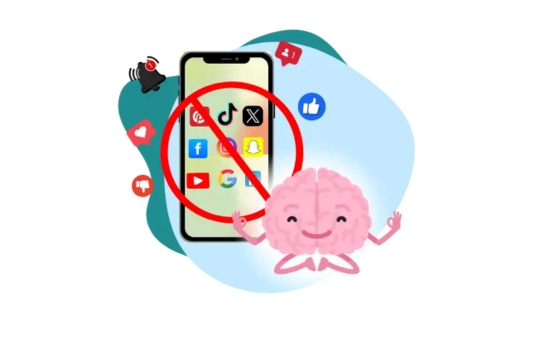
Your brain possesses remarkable neuroplasticity—the ability to rewire itself throughout life. The same quality that allowed digital devices to reshape your neural pathways also enables you to reclaim mental clarity through intentional disconnection. Every moment spent away from screens allows your mind to heal, restore, and remember its natural capacity for focus, creativity, and peace.
Digital technology will continue advancing and integrating deeper into society. This reality makes cultivating healthy boundaries more crucial than ever. By implementing regular digital detoxes, you’re not rejecting progress—you’re protecting the most sophisticated technology ever created: your human brain. Give it the recovery time it deserves, and you’ll discover mental capabilities you’d forgotten existed beneath the constant digital noise.
